10 Best Womens Trail Shoes
From leading brands and best sellers available on the web.By clicking on a link to a third party's website, log data is shared with that third party.
Top 10 Best Womens Trail Shoes 2026 in the UK
#1
Winner
ALTRA Women's Lone Peak 8 AL0A85ND Trail Running, Mineral Blue, 6.5
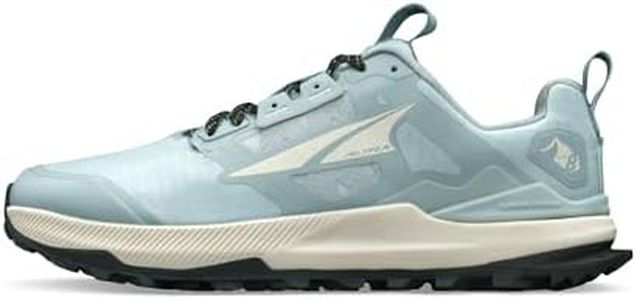


ALTRA Women's Lone Peak 8 AL0A85ND Trail Running, Mineral Blue, 6.5
Traction: Maxtrac outsole
Cushioning: Altra EGO midsole
Protection: ankle-high shaft
Fit: true-to-size
Chosen by 1415 this week
BROOKS Women's Cascadia 17 Sneaker, Bluefish/Black/Diva Pink, 7 UK
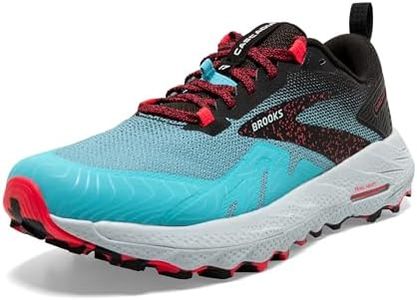
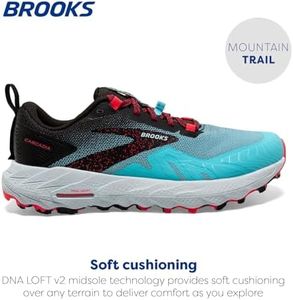
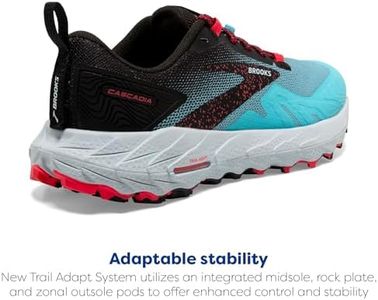
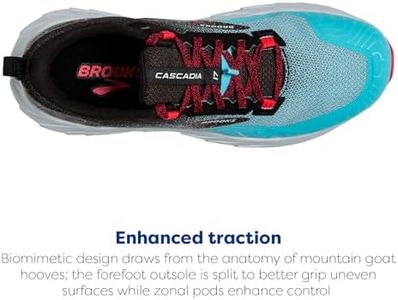
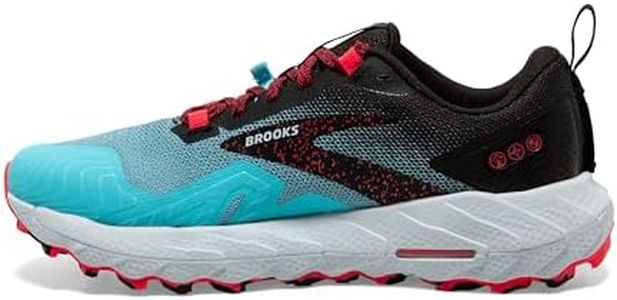
BROOKS Women's Cascadia 17 Sneaker, Bluefish/Black/Diva Pink, 7 UK
Traction: Rubber sole
Cushioning: comfortable protection
Protection: comfortable protection
Fit: family fit
ALTRA Women's Olympus 5 AL0A7R74 Trail Running, Purple/Orange, 7
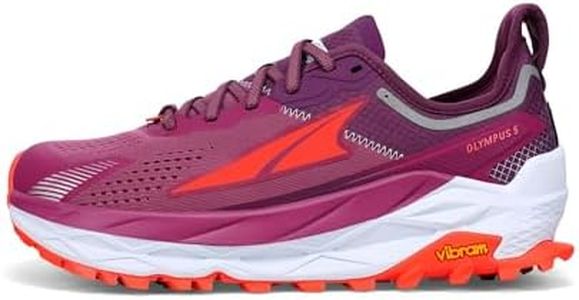
ALTRA Women's Olympus 5 AL0A7R74 Trail Running, Purple/Orange, 7
Traction: Vibram Megagrip outsole
Cushioning: 33 mm max cushion, EVA midsole
Protection: durable, engineered mesh upper
Fit: snug
Brooks Women’s 1203641B071 Cascadia 16 GTX Running Shoe, Black/Blackened Pearl/Coral, 7 UK
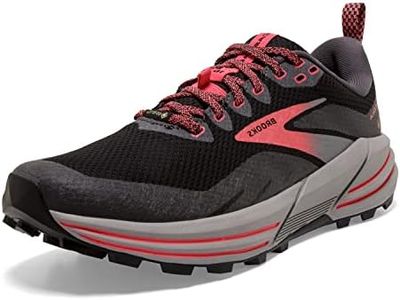
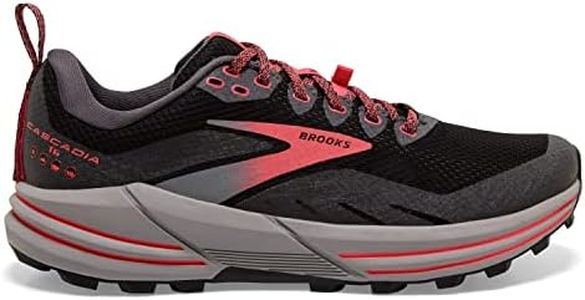
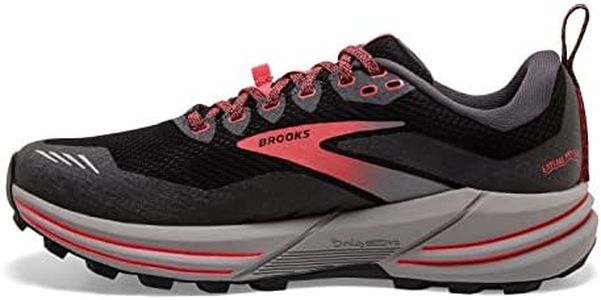
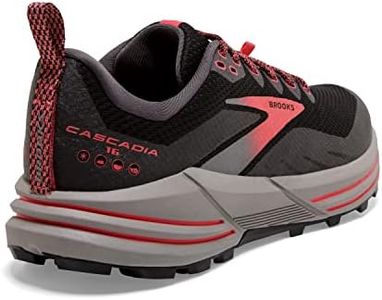
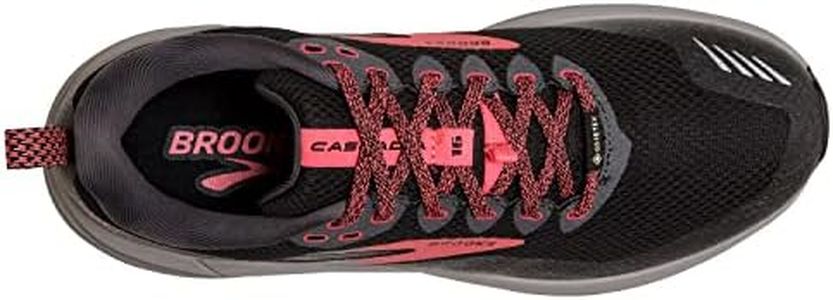
Brooks Women’s 1203641B071 Cascadia 16 GTX Running Shoe, Black/Blackened Pearl/Coral, 7 UK
Traction: decent traction
Cushioning: DNA LOFT v2 midsole, 2mm thicker
Protection: moderate protection
Fit: improved by flexible GORE-TEX overlay
Water Resistance: lightweight GORE-TEX layer
Salomon Women's Speedcross Peak Running Shoe, Vivacious/Black/Clearly Aqua, 6.5 UK
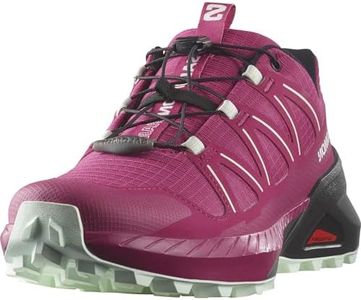
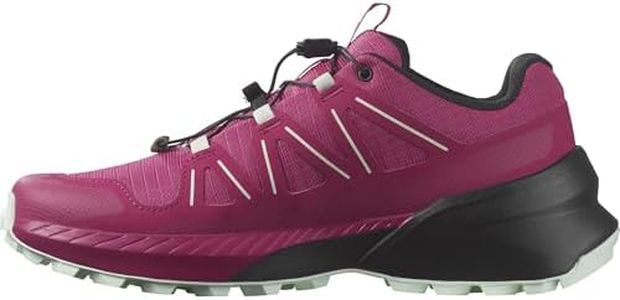
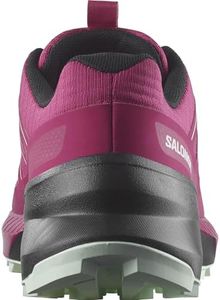
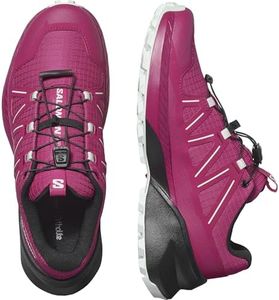
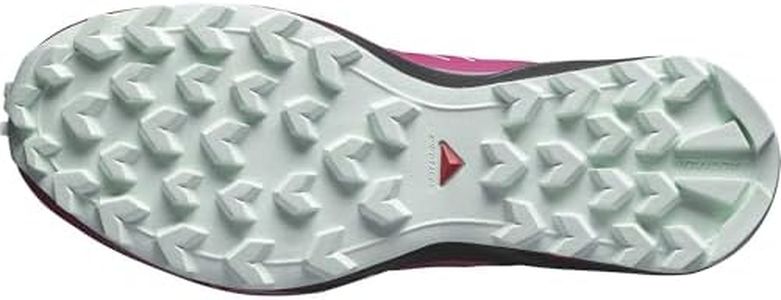
Salomon Women's Speedcross Peak Running Shoe, Vivacious/Black/Clearly Aqua, 6.5 UK
Traction: Contagrip with aggressive lugs
Protection: Heel and toe cap
Fit: Quicklace with Sensifit
Related Products

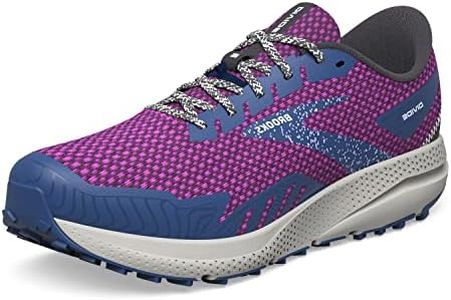
Merrell Women's MORPHLITE Trail Running Shoe, Parchment/Antler, 6 UK
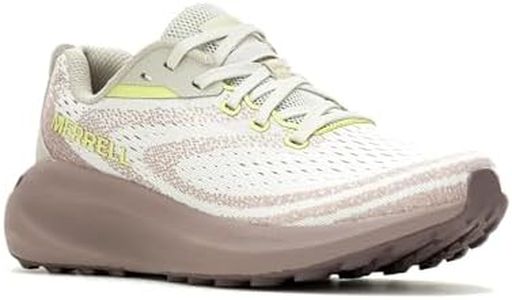
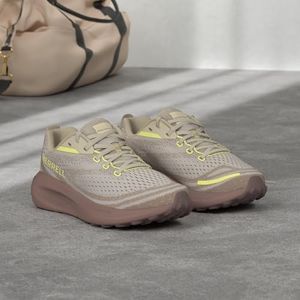
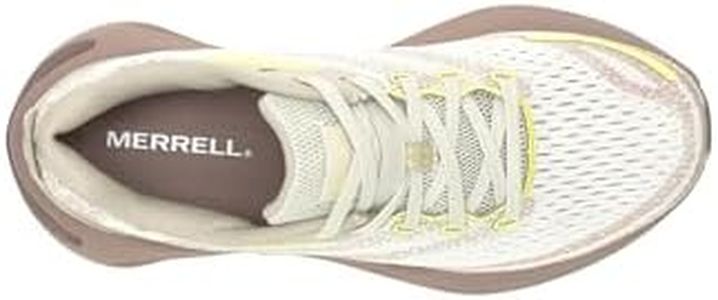
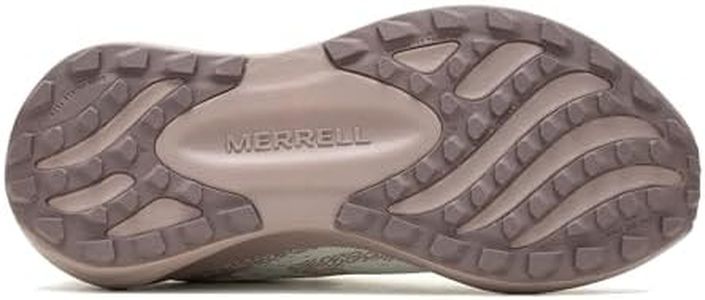
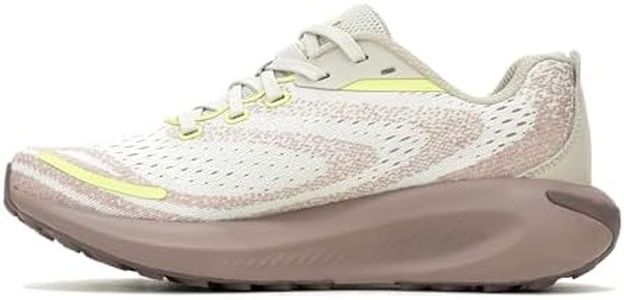
Merrell Women's MORPHLITE Trail Running Shoe, Parchment/Antler, 6 UK
Traction: sticky rubber outsole
Cushioning: FloatPro Foam midsole, recycled EVA footbed
Protection: robust build
Fit: internal bootie design
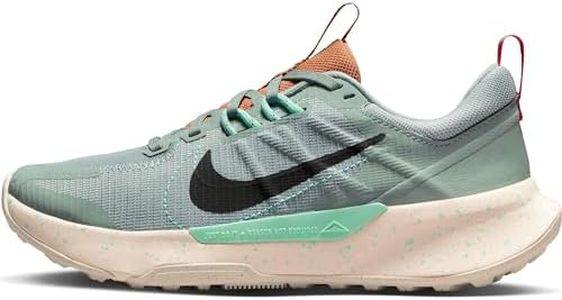
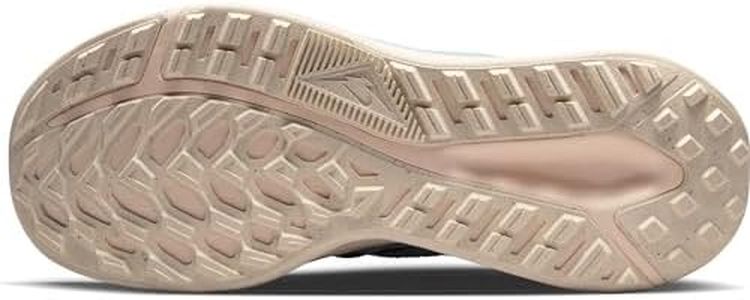
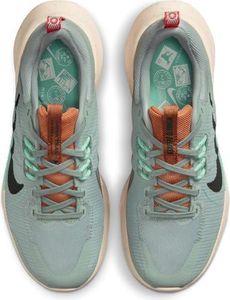
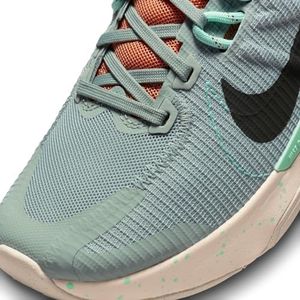
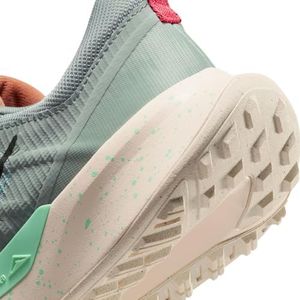
NIKE Pegasus Trail 4 Gore-TEX Women's Waterproof Trail Running Shoes (DJ7929-303, Vapor Green/Thunder Blue/Light Armory Blue) 42 EU, Vapor Green/Thunder Blue/Light Armory Blue, 39 EU
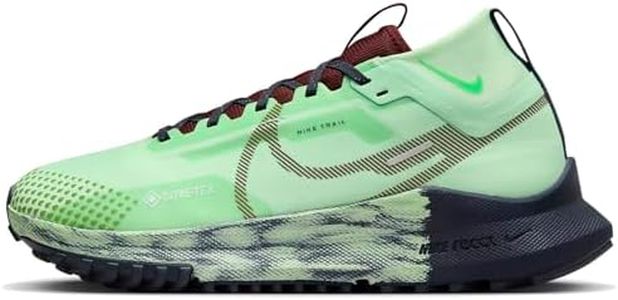
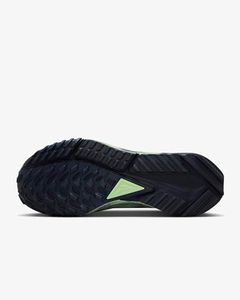
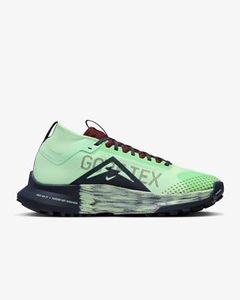
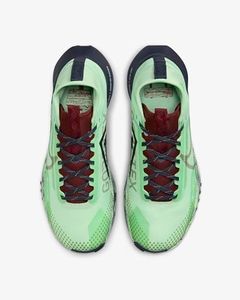
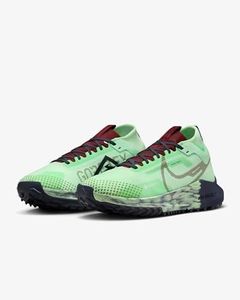
NIKE Pegasus Trail 4 Gore-TEX Women's Waterproof Trail Running Shoes (DJ7929-303, Vapor Green/Thunder Blue/Light Armory Blue) 42 EU, Vapor Green/Thunder Blue/Light Armory Blue, 39 EU
Traction: generative traction and rubber nubs grip
Cushioning: Nike React foam cushioning
Protection: Gore-TEX, collar gaiter, rubber outsole wrap
Fit: standard lace-up; flexible materials
Water Resistance: waterproof Gore-TEX layer
NIKE Women's W React Pegasus Trail 4 Sneaker, Sequoia/Guava ICE-Amber Brown, 7 UK

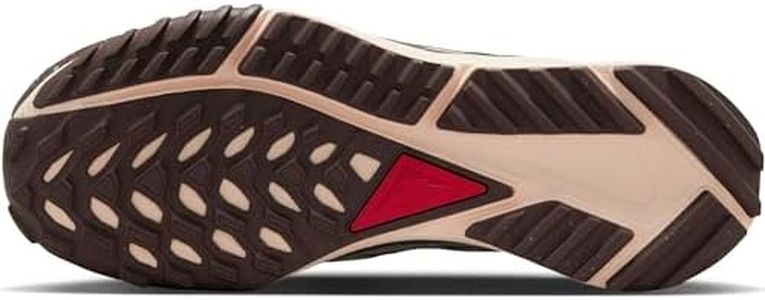
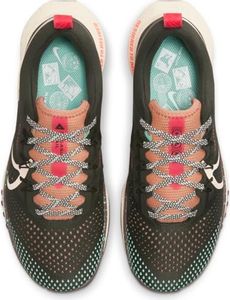
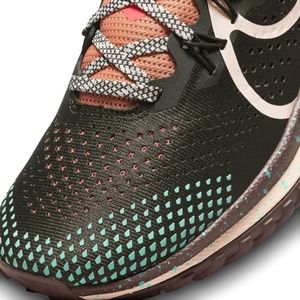
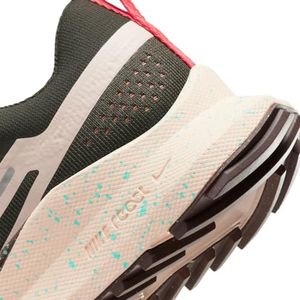
NIKE Women's W React Pegasus Trail 4 Sneaker, Sequoia/Guava ICE-Amber Brown, 7 UK
Traction: Rubber sole with reliable grip
Cushioning: Soft sole absorbs impact
Protection: Moderate, shields foot without guards
Fit: Ankle strap offers decent support
#10
Salomon Alphacross 5 Women's Trail Running Shoes, Powerful Grip, Long Lasting Comfort, and Versatile Performance, Bering Sea, 65
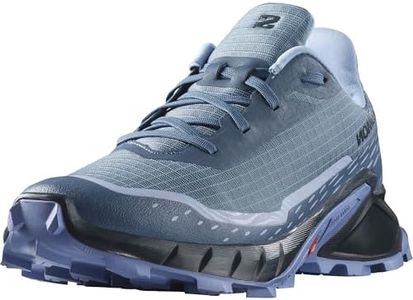
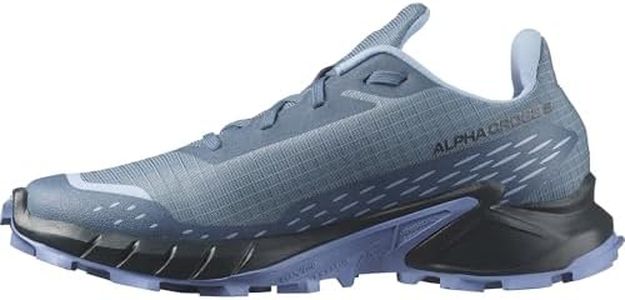
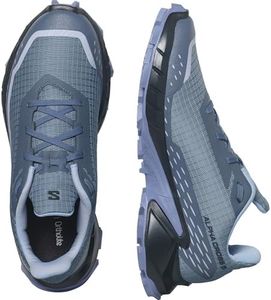
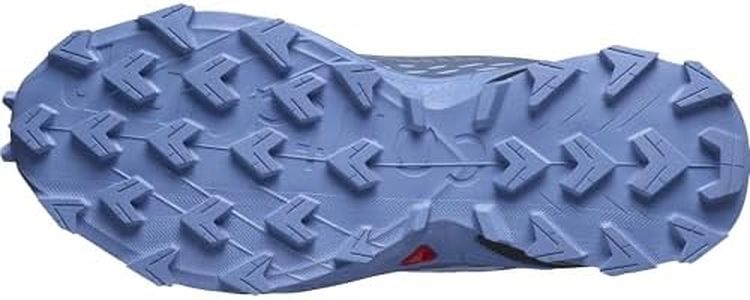
Salomon Alphacross 5 Women's Trail Running Shoes, Powerful Grip, Long Lasting Comfort, and Versatile Performance, Bering Sea, 65
Traction: Contagrip rubber with clever lug design
Cushioning: soft lining and cushy fuze foam
Protection: ankle-height design for decent protection
Fit: generous and comfortable

Buying Guide for the Best Womens Trail Shoes
Choosing the right women's trail shoes is crucial for a comfortable and safe outdoor experience. Trail shoes are designed to provide support, protection, and traction on uneven and rugged terrains. When selecting a pair, consider the type of trails you will be tackling, the distance you plan to cover, and your personal comfort preferences. It's important to try on different models and walk around to ensure a good fit, as the right pair can make a significant difference in your trail running or hiking experience.TractionTraction refers to the grip that the shoe's outsole provides on various surfaces. This is important because it helps prevent slipping on wet, muddy, or rocky trails. Trail shoes typically have deeper lugs than road running shoes, which are designed to dig into the ground for better stability. If you plan to run on technical, rocky trails, look for shoes with aggressive, multidirectional lugs. For smoother trails, a less aggressive tread pattern may suffice. Consider the typical trail conditions you will encounter to choose the right level of traction.
CushioningCushioning in trail shoes refers to the amount of padding between your foot and the ground. It is important because it affects comfort and shock absorption, especially on longer runs. Shoes with more cushioning are generally more comfortable for longer distances and can help reduce fatigue. However, they may be heavier and less responsive. Minimalist shoes with less cushioning offer a closer-to-ground feel and are lighter, which can be beneficial for shorter, faster runs. Consider your comfort preference and the distance you plan to cover when choosing the level of cushioning.
ProtectionProtection in trail shoes includes features like rock plates, toe guards, and reinforced uppers that shield your feet from sharp rocks, roots, and other trail hazards. This is important for preventing injuries and ensuring a comfortable run. If you frequently run on rocky or technical trails, look for shoes with robust protective features. For less technical trails, you might prioritize lighter shoes with less protection. Assess the typical trail conditions and your need for protection to make the right choice.
FitFit is how well the shoe conforms to your foot, which is crucial for comfort and performance. A good fit prevents blisters and ensures stability on uneven terrain. Trail shoes should fit snugly around the heel and midfoot, with enough room in the toe box to accommodate foot swelling and natural toe splay. Try on shoes at the end of the day when your feet are slightly swollen, and wear the socks you plan to use on the trail. Consider your foot shape and any specific fit preferences when selecting trail shoes.
Water ResistanceWater resistance in trail shoes refers to the shoe's ability to keep your feet dry in wet conditions. This is important for comfort and preventing blisters during wet weather or when crossing streams. Waterproof shoes often use materials like Gore-Tex to keep water out, but they can be less breathable. If you run in wet, muddy conditions, waterproof shoes might be beneficial. However, for dry climates or if you prefer more breathability, non-waterproof shoes may be more comfortable. Consider the typical weather and trail conditions you will encounter when deciding on water resistance.