10 Best Turntables
From leading brands and best sellers available on the web.By clicking on a link to a third party's website, log data is shared with that third party.
Top 10 Best Turntables 2026 in the UK
#1
Winner
Audio-Technica LP120XBTUSB Direct-Drive Turntable (Bluetooth & USB) Black
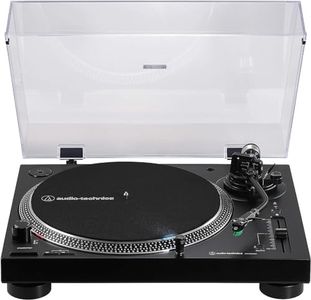
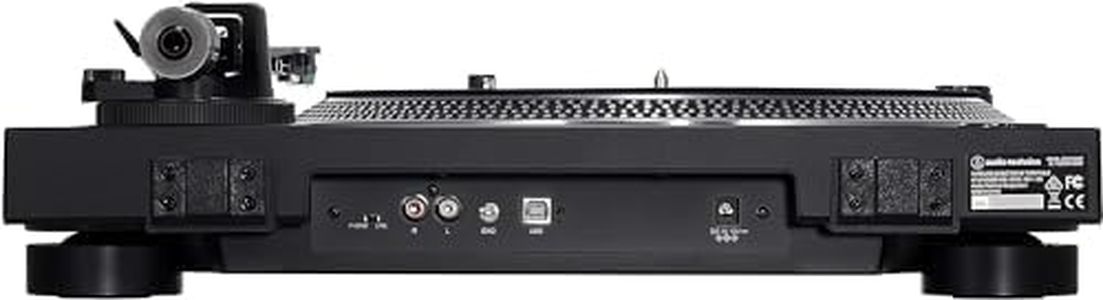
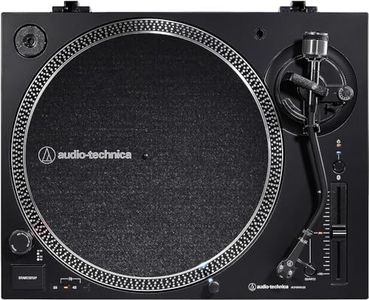
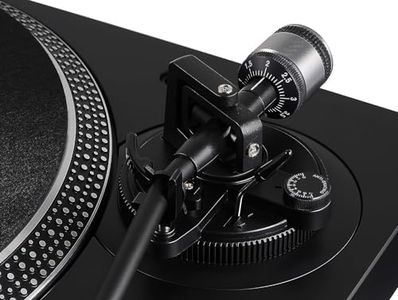
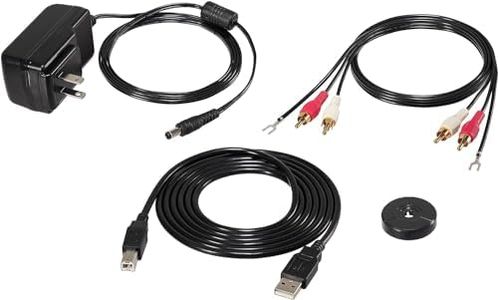
Audio-Technica LP120XBTUSB Direct-Drive Turntable (Bluetooth & USB) Black
Drive Type: direct-drive motor
Platter Material: aluminium
Speed Settings: 33, 45, 78 RPM
Built-in Preamp: yes
Tonearm Type: adjustable
Chosen by 1313 this week
Audio-Technica LP120XUSBBK Manual Direct-Drive Turntable (Analogue & USB) Black
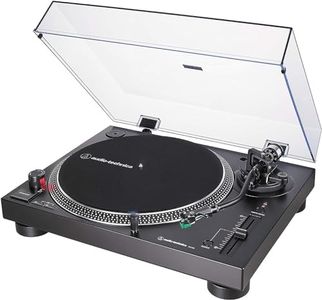
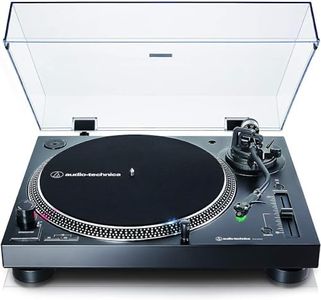
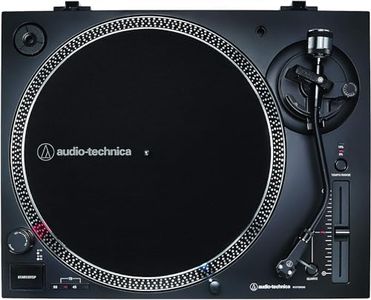
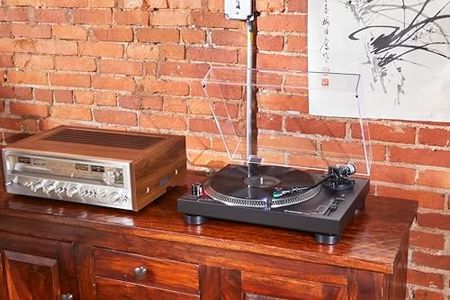
Audio-Technica LP120XUSBBK Manual Direct-Drive Turntable (Analogue & USB) Black
Drive Type: Direct-Drive
Platter Material: Aluminum
Speed Settings: 33, 45, 78 RPM
Built-in Preamp: Yes
Tonearm Type: Precision, durable
Audio-Technica LP60XBTW Full Automatic Wireless Belt-Drive Turntable White
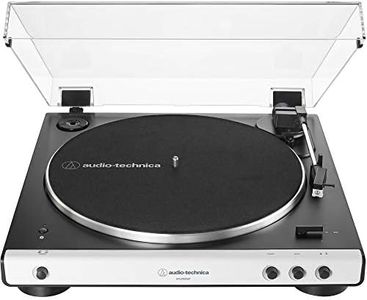
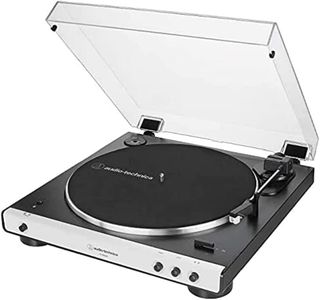
Audio-Technica LP60XBTW Full Automatic Wireless Belt-Drive Turntable White
Drive Type: Belt-drive
Cartridge Type: Dual moving magnet cartridge
Speed Settings: 33 1/3, 45 RPM
Built-in Preamp: Yes
Audio-Technica AT-LP60XUSBGM Fully Automatic Belt-Drive USB Turntable Gunmetal

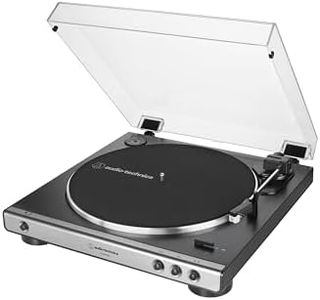
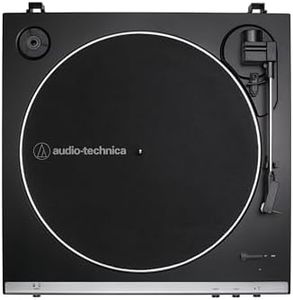
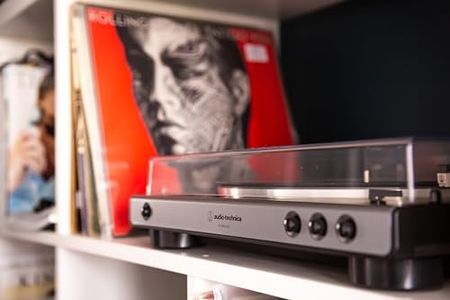

Audio-Technica AT-LP60XUSBGM Fully Automatic Belt-Drive USB Turntable Gunmetal
Drive Type: Belt-drive
Cartridge Type: Integral Dual Magnet cartridge, replaceable stylus
Speed Settings: 33 1/3, 45 RPM
Pro-Ject Debut EVO 2, Next Generation Audiophile Turntable with Carbon Fiber tonearm, Electronic Speed Selection and pre-Mounted Pick it MM EVO Cartridge, Made in Europe (Wine Red Satin)
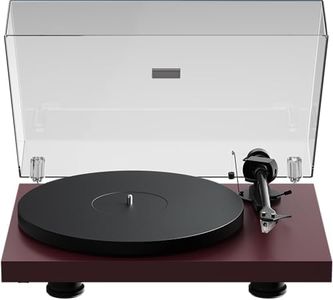
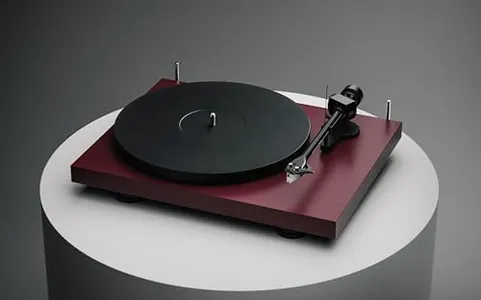
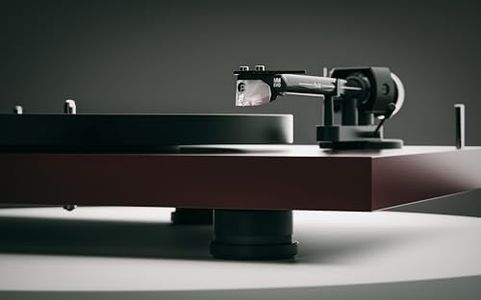

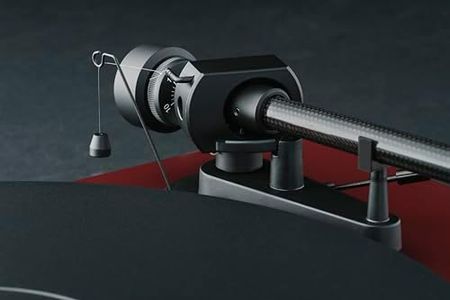
Pro-Ject Debut EVO 2, Next Generation Audiophile Turntable with Carbon Fiber tonearm, Electronic Speed Selection and pre-Mounted Pick it MM EVO Cartridge, Made in Europe (Wine Red Satin)
Drive Type: Belt Driven
Cartridge Type: Pick it MM EVO
Platter Material: Heavy anti-magnetic die-cast aluminium
Speed Settings: 33⅓ and 45 RPM
Tonearm Type: Carbon Fibre
Related Products
Up to 27% off
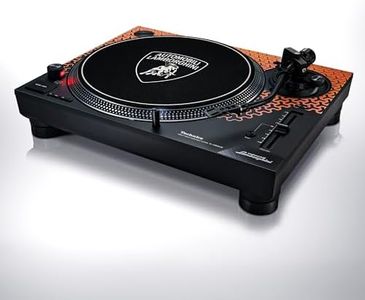
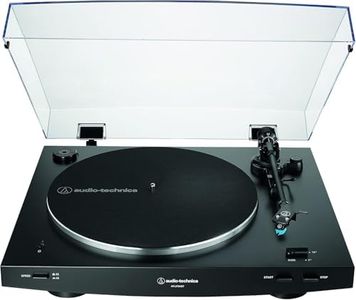

Technics SL-100C Direct Drive Turntable System, Vinyl Player, AT-VM95C Cartridge, Auto Lifter, 3 Speed, Dust Cover, PHONO Cable, Black
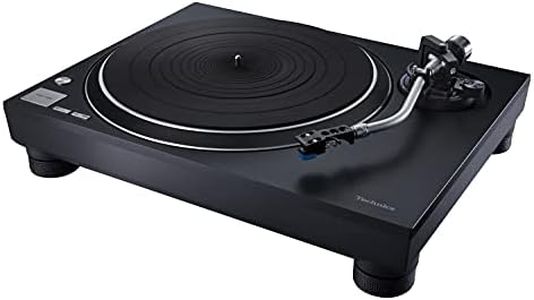
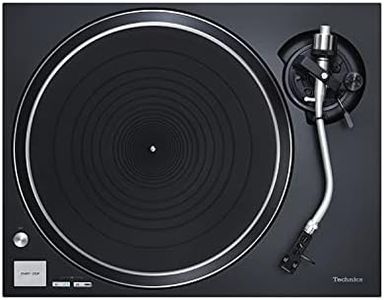
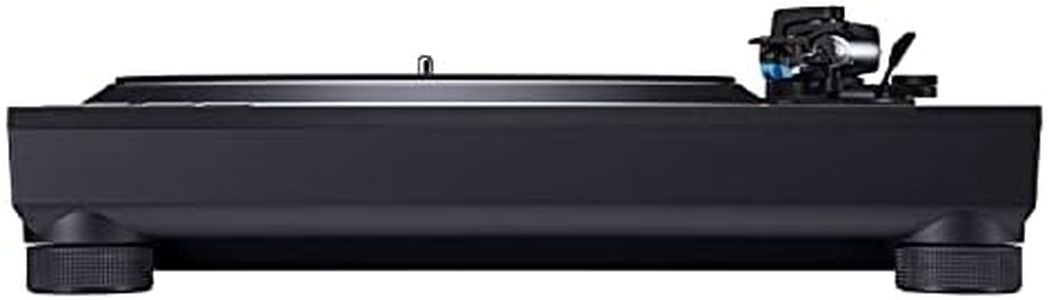
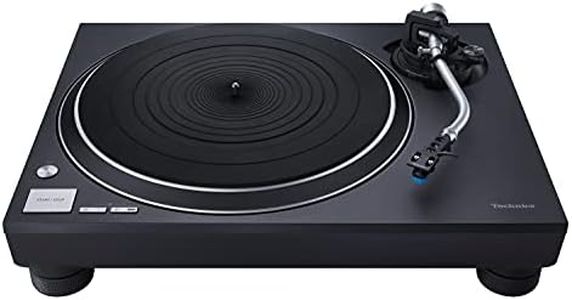
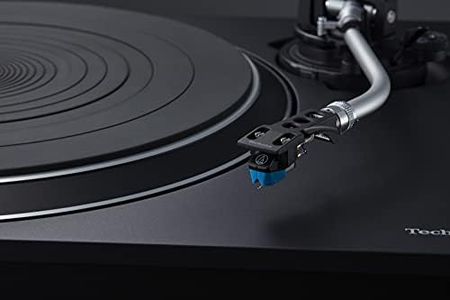
Technics SL-100C Direct Drive Turntable System, Vinyl Player, AT-VM95C Cartridge, Auto Lifter, 3 Speed, Dust Cover, PHONO Cable, Black
Drive Type: direct drive
Cartridge Type: Audio-Technica AT-VM95C
Platter Material: aluminium
Speed Settings: 33 1/3, 45, 78 RPM
Built-in Preamp: no
Tonearm Type: high-sensitivity S-shaped
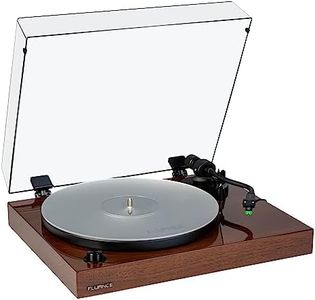
Pioneer DJ PLX-500-W Direct Drive DJ Turntable, White
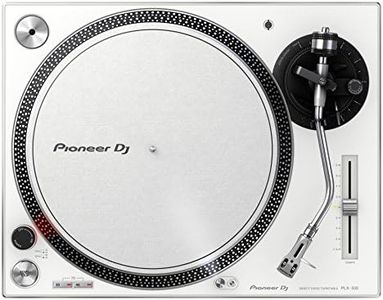
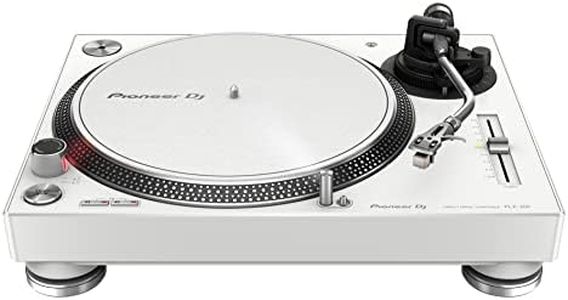
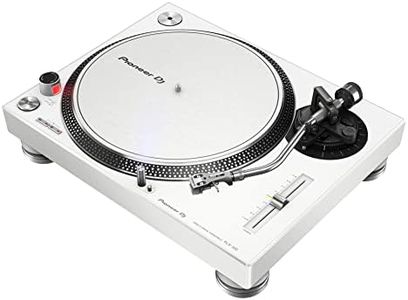
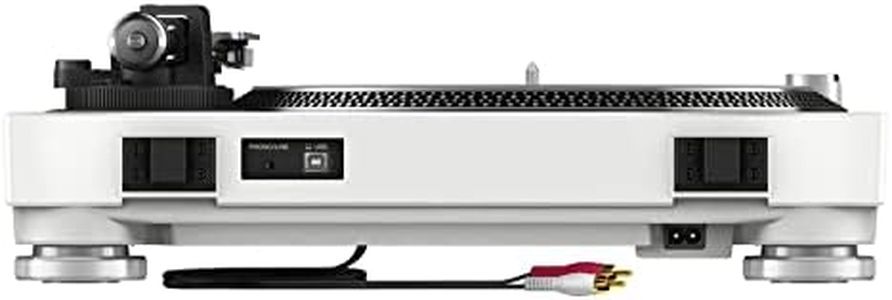
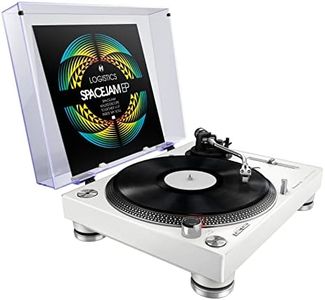
Pioneer DJ PLX-500-W Direct Drive DJ Turntable, White
Drive Type: Direct drive
Cartridge Type: Included on tonearm
Platter Material: Plastic
Speed Settings: 33, 45, 78 RPM
Built-in Preamp: Yes
Tonearm Type: Standard
#10



Buying Guide for the Best Turntables
Choosing the right turntable can greatly enhance your vinyl listening experience. It's important to consider various specifications that affect sound quality, ease of use, and compatibility with your existing audio setup. Understanding these key features will help you select a turntable that meets your needs and preferences, ensuring you enjoy your music collection to the fullest.Drive TypeThe drive type of a turntable refers to how the platter is powered. There are two main types: belt drive and direct drive. Belt drive turntables use an elastic belt to spin the platter, which can reduce motor noise and vibration, making them ideal for audiophiles seeking high sound quality. Direct drive turntables have the motor directly attached to the platter, offering quicker start-up times and more consistent speed, which is preferred by DJs for scratching and mixing. If you're focused on sound quality for home listening, a belt drive might be best. If you're interested in DJing or need quick response times, consider a direct drive.
Cartridge TypeThe cartridge is the component that holds the stylus (needle) and converts the grooves on a record into an audio signal. There are two main types: moving magnet (MM) and moving coil (MC). MM cartridges are more common, easier to replace, and generally more affordable, making them suitable for most users. MC cartridges can offer superior sound quality but are typically more expensive and require a compatible phono preamp. If you're new to vinyl or have a standard audio setup, an MM cartridge is a practical choice. If you're an audiophile seeking the best sound and have the necessary equipment, consider an MC cartridge.
Platter MaterialThe platter is the rotating surface on which the record sits. Common materials include plastic, aluminum, and acrylic. Plastic platters are lightweight and affordable but may not provide the best sound quality. Aluminum platters are more durable and offer better sound isolation, reducing vibrations. Acrylic platters are often found on higher-end models and can further enhance sound quality by reducing resonance. If you're looking for a basic setup, a plastic or aluminum platter will suffice. For improved sound quality, especially if you have a high-quality audio system, consider a turntable with an acrylic platter.
Speed SettingsTurntables typically offer speed settings of 33 1/3 RPM and 45 RPM, which correspond to the most common types of vinyl records. Some models also support 78 RPM for older records. It's important to choose a turntable that supports the speeds of the records you own. If you primarily listen to modern LPs and singles, a turntable with 33 1/3 and 45 RPM settings will be sufficient. If you have a collection of older 78 RPM records, ensure the turntable can accommodate this speed.
Built-in PreampA preamp boosts the audio signal from the turntable to a level that can be processed by speakers or an amplifier. Some turntables come with a built-in preamp, which simplifies setup and is convenient for connecting directly to powered speakers or a standard audio system. If your audio setup already includes a phono preamp or if you plan to upgrade to a high-quality external preamp, you might not need a built-in option. For ease of use and flexibility, especially if you're new to vinyl, a turntable with a built-in preamp is a good choice.
Tonearm TypeThe tonearm holds the cartridge and stylus and guides them across the record. There are straight and S-shaped tonearms, each affecting tracking and sound quality. Straight tonearms are often lighter and can provide better tracking, which is beneficial for sound quality. S-shaped tonearms are more common in DJ turntables and can offer better stability for scratching. If you're focused on home listening and sound quality, a straight tonearm might be preferable. If you're interested in DJing, an S-shaped tonearm could be more suitable.