10 Best Polarized Sunglasses
From leading brands and best sellers available on the web.By clicking on a link to a third party's website, log data is shared with that third party.
Top 10 Best Polarized Sunglasses 2026 in the UK
#1
Winner
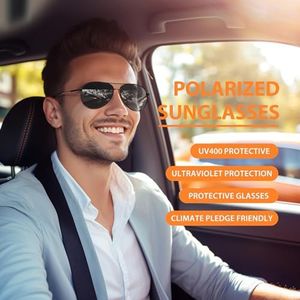
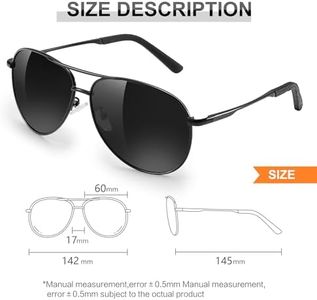
ATTCL Men's Retro Metal Frame Driving Polarized Sunglasses Mens Womens 18587 black UV400 CAT 3 CE
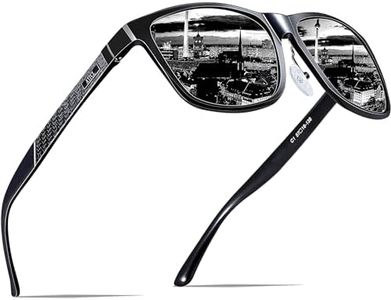
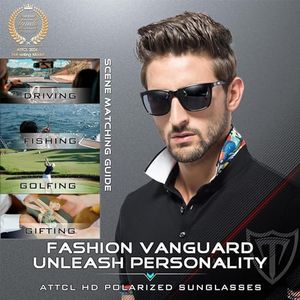
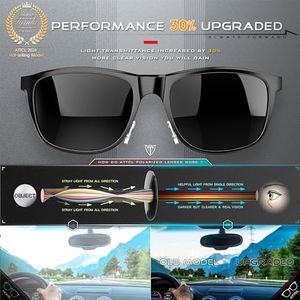
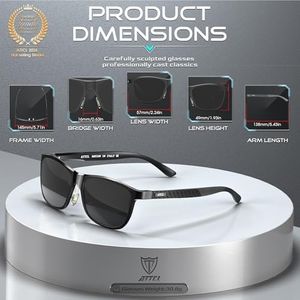
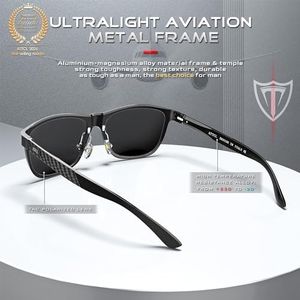
ATTCL Men's Retro Metal Frame Driving Polarized Sunglasses Mens Womens 18587 black UV400 CAT 3 CE
Lens Material: PrismX HD Polarized
UV Protection: UV400
Frame Material: Aerospace-grade AL-MG
Fit and Comfort: Ultra-light, flexible
Polarization Quality: High-definition clarity
Chosen by 1190 this week
Ray-Ban Unisex Justin Sunglasses, Black ( Vidiros : Green Classic 601/71 ), 54 mm UK
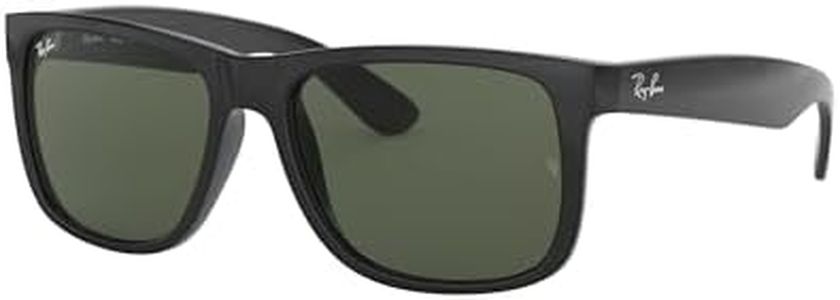
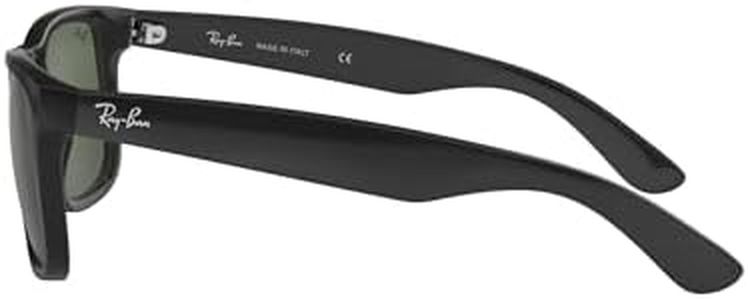
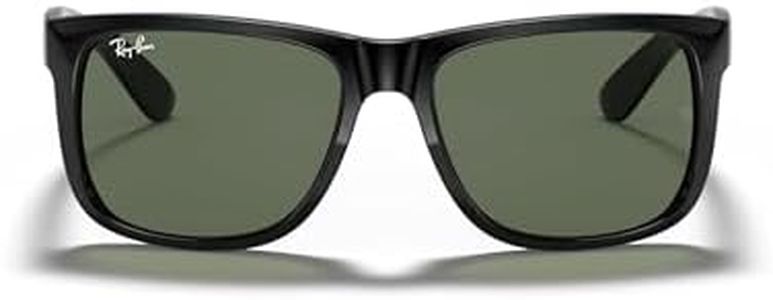
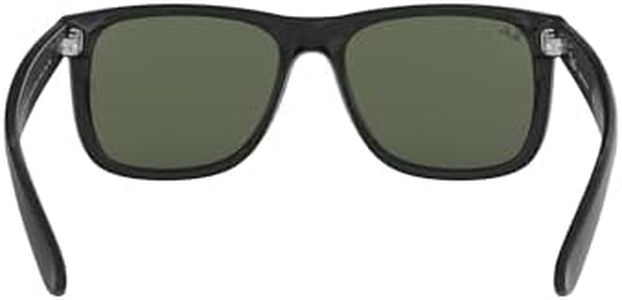
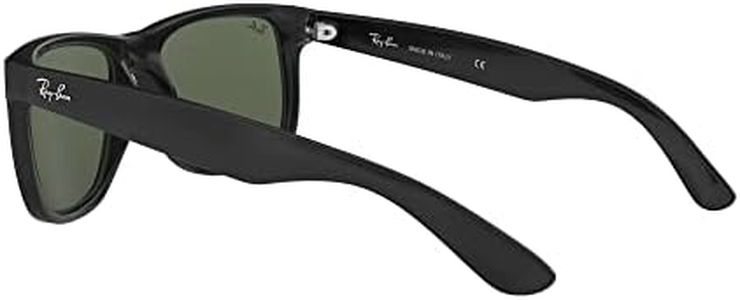
Ray-Ban Unisex Justin Sunglasses, Black ( Vidiros : Green Classic 601/71 ), 54 mm UK
Lens Material: Polyamide
Lens Color: Green
Fit and Comfort: 54 mm
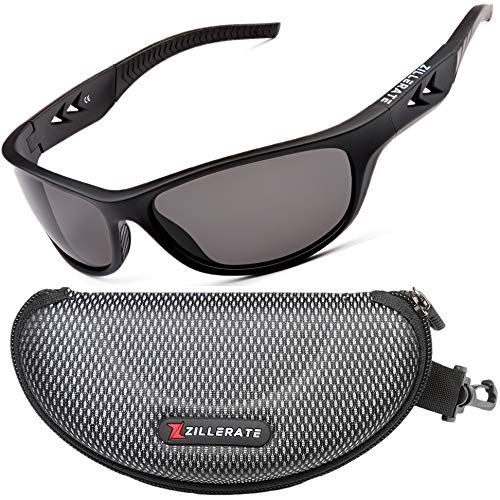
ZILLERATE Polarised Sunglasses For Men - Mens Womens Polarized Sports Sun Glasses, Fishing Driving Running Cycling Sailing Skiing Golf, UV400 Protection Safety Lenses, Wrap Around Men's Shades, Red
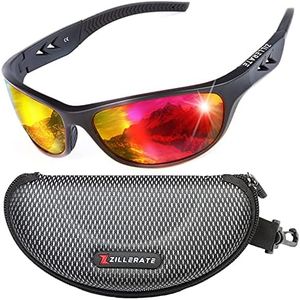

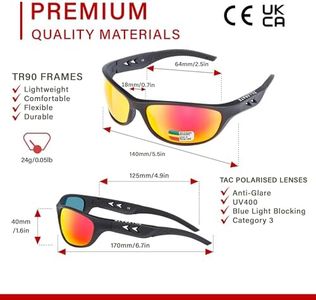

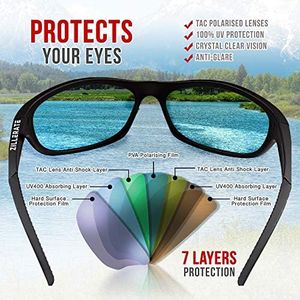
ZILLERATE Polarised Sunglasses For Men - Mens Womens Polarized Sports Sun Glasses, Fishing Driving Running Cycling Sailing Skiing Golf, UV400 Protection Safety Lenses, Wrap Around Men's Shades, Red
Lens Material: Tri Acetate Cellulose
UV Protection: UV400
Frame Material: TR90
Lens Color: Revo Red
Fit and Comfort: Rubber-padded arms
Polarization Quality: TAC polarized
SUNGAIT Ultra Lightweight Rectangular Polarized Sunglasses UV400 Protection (Gunmetal Frame Green Lens, 62) 2458 QKMLV UK
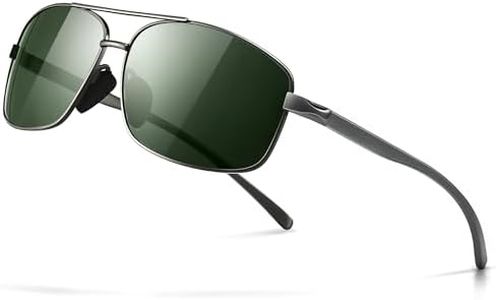
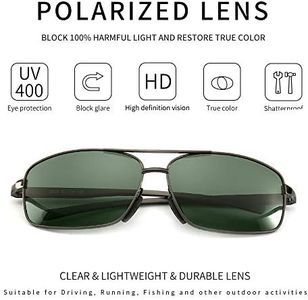
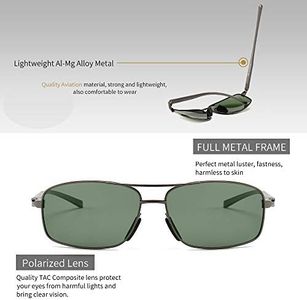
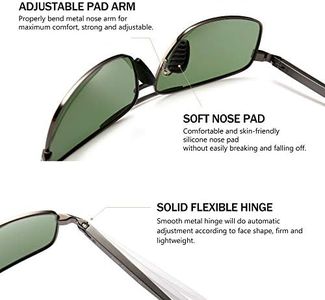
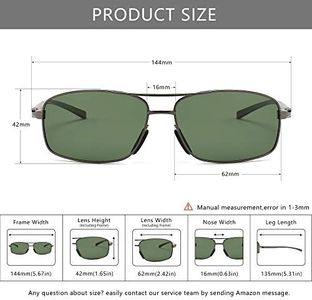
SUNGAIT Ultra Lightweight Rectangular Polarized Sunglasses UV400 Protection (Gunmetal Frame Green Lens, 62) 2458 QKMLV UK
Lens Material: TAC
UV Protection: UV400
Frame Material: metal
Fit and Comfort: fits different face shapes
Polarization Quality: polarized
Ray-Ban mens Aviator Sunglasses, Black (Frame: Black L2823, Lenses: Gray Green), 58 mm UK
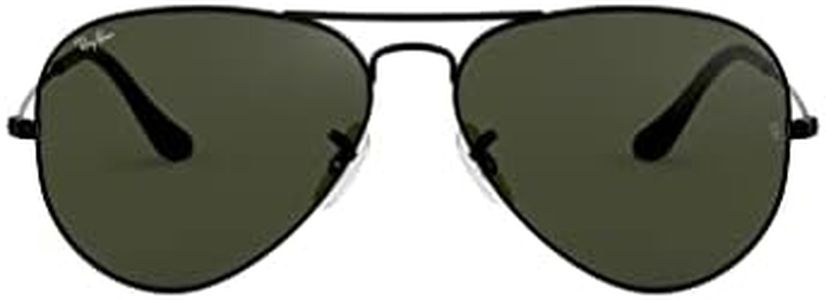


Ray-Ban mens Aviator Sunglasses, Black (Frame: Black L2823, Lenses: Gray Green), 58 mm UK
UV Protection: effective UV protection
Frame Material: metal
Lens Color: gray-green
Fit and Comfort: adjustable nose pads, lightweight 30g
Polarization Quality: Ray-Ban’s G 15 XLT tech
Related Products
Up to 4% off
Ray-Ban Erika Classic Men's Sunglass, Polarized Brown Gradient
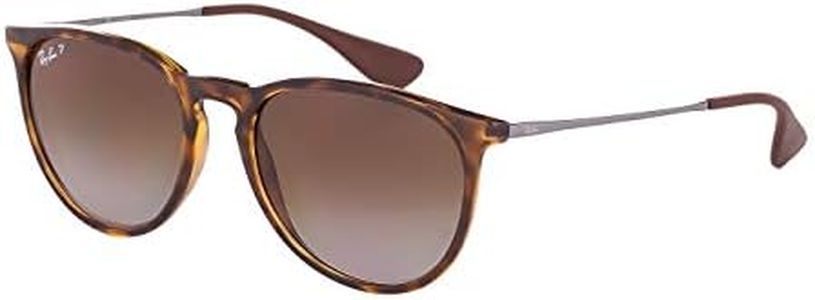
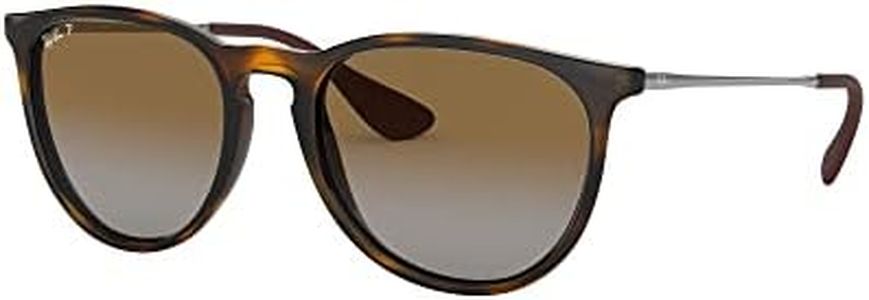
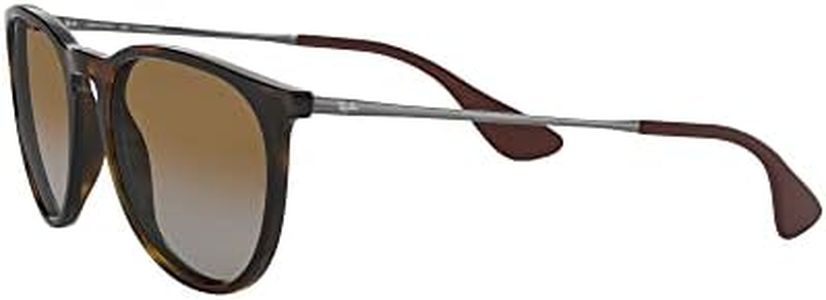
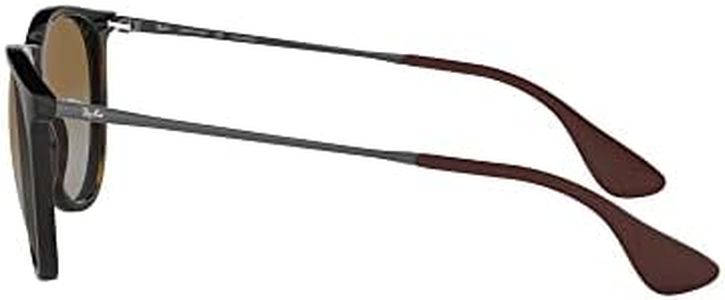
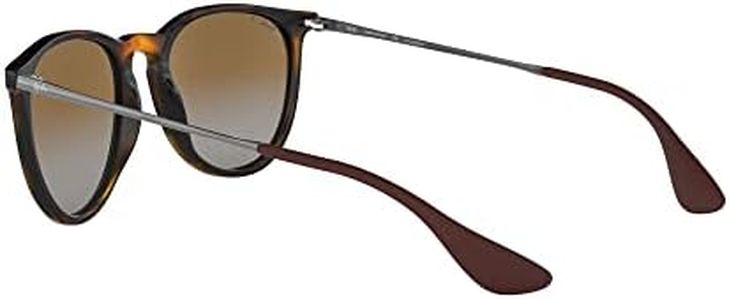
Ray-Ban Erika Classic Men's Sunglass, Polarized Brown Gradient
UV Protection: 100%
Frame Material: Nylon
Lens Color: Brown gradient
Fit and Comfort: Comfortable fit
Polarization Quality: Polarized
Oakley Men'S Mod. 4075 Sun Square Wire 407513 60 Rectangular Polarized Sunglasses 60, Polished Black/Prizmblack

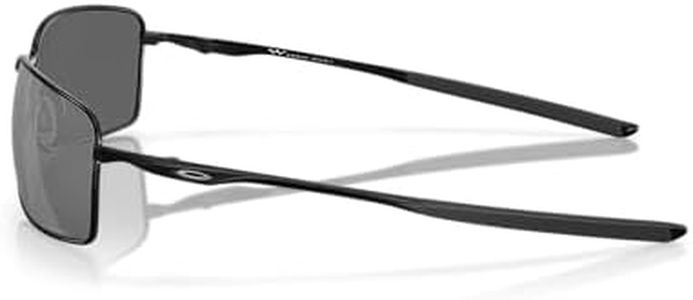
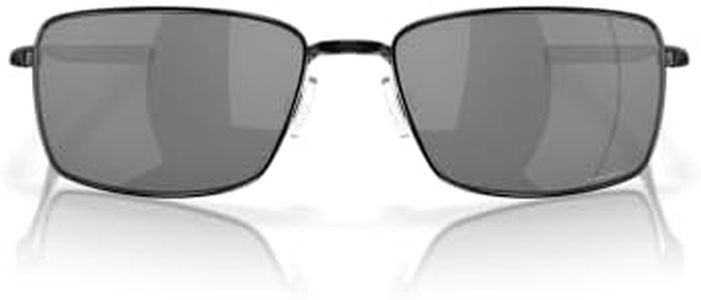
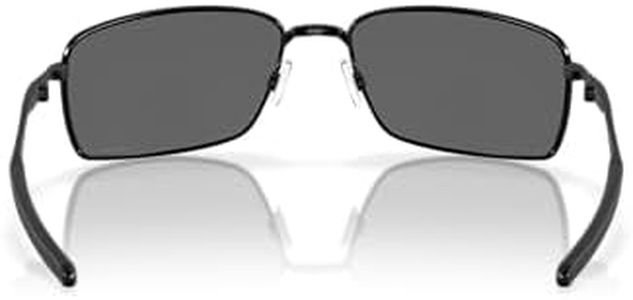
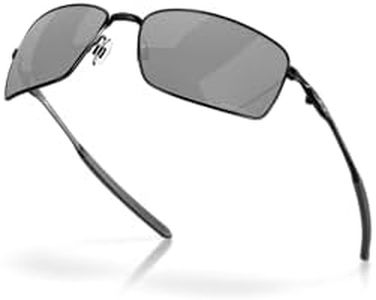
Oakley Men'S Mod. 4075 Sun Square Wire 407513 60 Rectangular Polarized Sunglasses 60, Polished Black/Prizmblack
Lens Material: Plutonite
UV Protection: true
Frame Material: Metal
Lens Color: Prizm Black
Polarization Quality: PRIZM Polarized
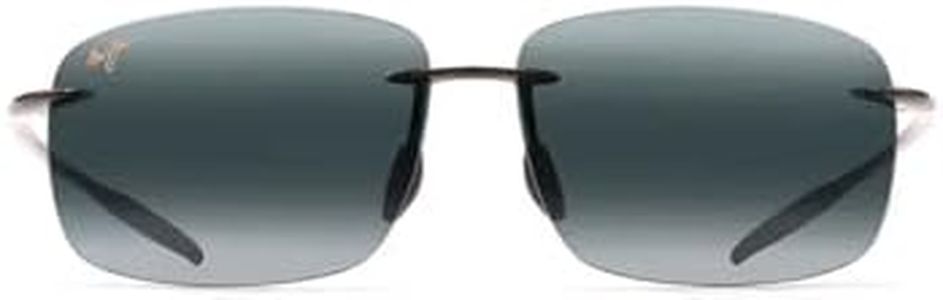
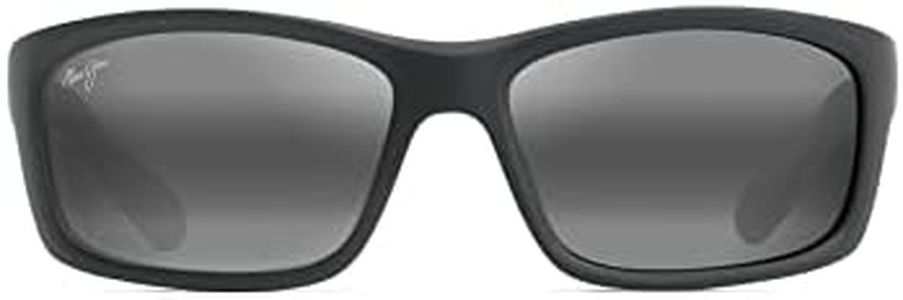
Maui Jim Ho'okipa Rimless Sunglasses
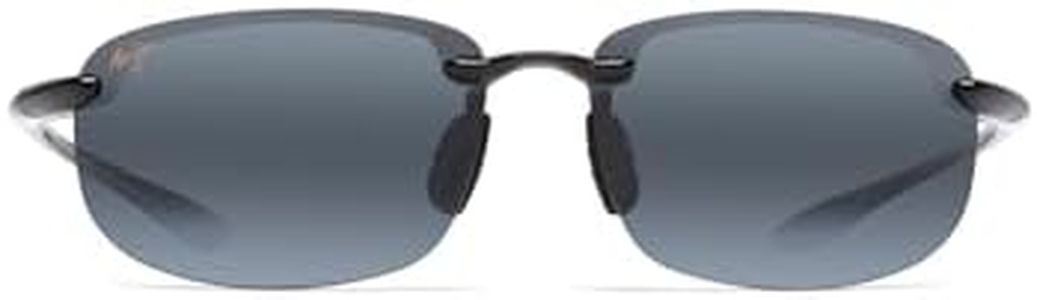

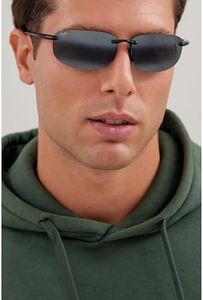


Maui Jim Ho'okipa Rimless Sunglasses
UV Protection: excellent UV protection
Frame Material: glossy black frame
Fit and Comfort: one-size, comfortable for long wear
Polarization Quality: top-notch, reduces glare effectively

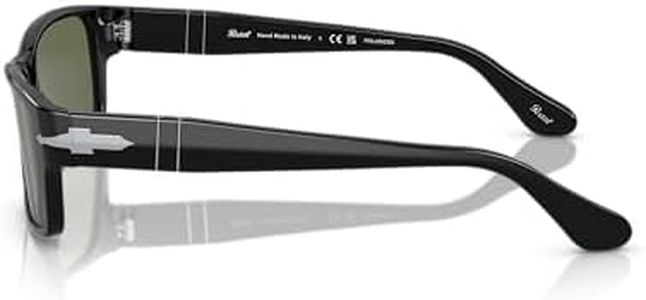
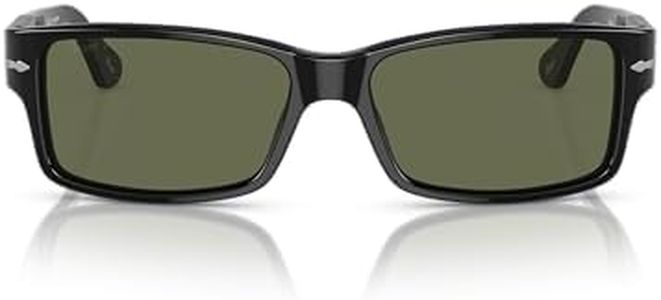
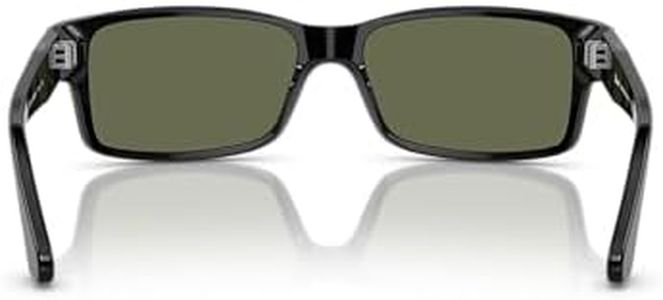
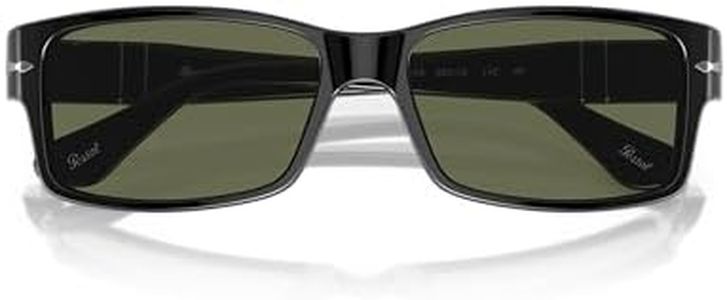
#10
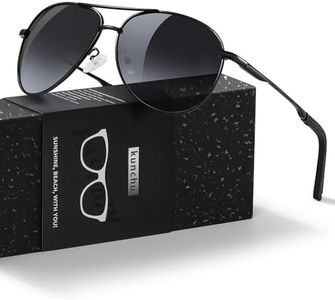

Recommended lists

Buying Guide for the Best Polarized Sunglasses
Polarized sunglasses are a great investment for anyone who spends a lot of time outdoors, especially in bright sunlight. They help reduce glare from surfaces like water, snow, and glass, making them ideal for activities such as driving, fishing, skiing, and even just walking around on a sunny day. When choosing polarized sunglasses, it's important to consider several key specifications to ensure you get the best fit and functionality for your needs.Lens MaterialThe material of the lens affects the durability, weight, and clarity of the sunglasses. Common materials include polycarbonate, glass, and plastic. Polycarbonate lenses are lightweight and impact-resistant, making them great for sports and active use. Glass lenses offer superior clarity and scratch resistance but are heavier and more prone to breaking. Plastic lenses are affordable and lightweight but may not offer the same level of clarity or durability. Choose a lens material based on your lifestyle and how you plan to use the sunglasses.
UV ProtectionUV protection is crucial for safeguarding your eyes from harmful ultraviolet rays. Look for sunglasses that offer 100% UV protection or UV400 protection, which blocks both UVA and UVB rays. This is important for preventing eye conditions such as cataracts and macular degeneration. Always check the label to ensure the sunglasses provide adequate UV protection, especially if you spend a lot of time outdoors.
Frame MaterialThe material of the frame affects the comfort, durability, and weight of the sunglasses. Common frame materials include plastic, metal, and nylon. Plastic frames are lightweight and come in various styles and colors but may not be as durable. Metal frames are sturdy and offer a sleek look but can be heavier and more prone to bending. Nylon frames are flexible, durable, and lightweight, making them ideal for sports and active use. Consider your comfort and the activities you'll be doing when choosing a frame material.
Lens ColorThe color of the lens can affect how well you see in different lighting conditions. Gray lenses reduce overall brightness while preserving natural color balance, making them great for general use. Brown or amber lenses enhance contrast and depth perception, which is useful for activities like driving and fishing. Yellow lenses improve visibility in low-light conditions, such as fog or dusk. Choose a lens color based on the primary activities you'll be doing while wearing the sunglasses.
Fit and ComfortThe fit and comfort of the sunglasses are essential for prolonged use. Look for features like adjustable nose pads, flexible hinges, and lightweight materials to ensure a comfortable fit. The sunglasses should sit snugly on your face without pinching or slipping. Consider trying on different styles to find the best fit for your face shape and size. Comfort is key, especially if you plan to wear the sunglasses for extended periods.
Polarization QualityThe quality of the polarization affects how well the sunglasses reduce glare. Higher-quality polarized lenses will provide better glare reduction and visual clarity. To test the polarization quality, you can look at a reflective surface like water or a car windshield while wearing the sunglasses. If the glare is significantly reduced, the polarization is effective. Choose high-quality polarized lenses for the best performance, especially if you engage in activities where glare is a major concern.