10 Best Organic Weed Killers
From leading brands and best sellers available on the web.By clicking on a link to a third party's website, log data is shared with that third party.
Top 10 Best Organic Weed Killers 2026 in the UK
#1
Winner
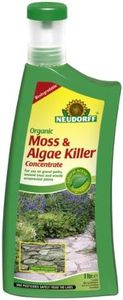
Neudorff WeedFree Plus Weed Killer Concentrate, 1020 ml, Glyphosate Free Weedkiller Concentrate, Organic, Animal Fiendly, Herbicide, Concentrated Weed Killer
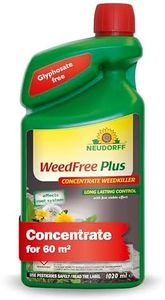
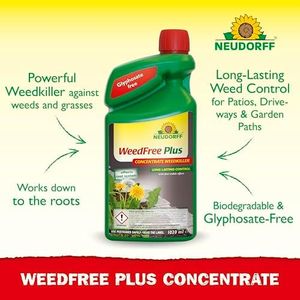
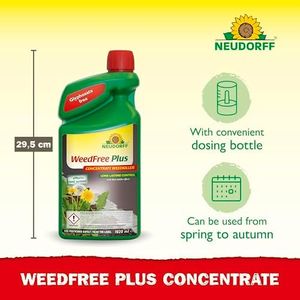
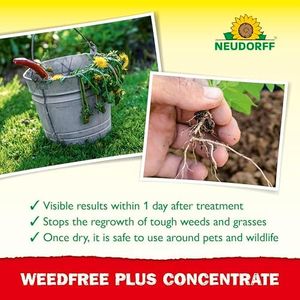
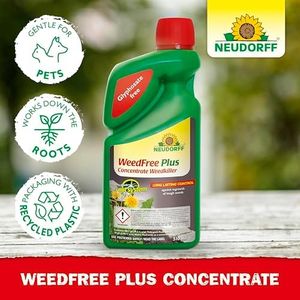
Neudorff WeedFree Plus Weed Killer Concentrate, 1020 ml, Glyphosate Free Weedkiller Concentrate, Organic, Animal Fiendly, Herbicide, Concentrated Weed Killer
Active Ingredients: pelargonic acid, maleic hydrazide
Application Method: easy mixing and application
Residual Effects: inhibit root growth, prevent regrowth
Environmental Impact: glyphosate-free, safe once dry
Chosen by 1389 this week
Vitax SBK 500ml Brushwood Killer
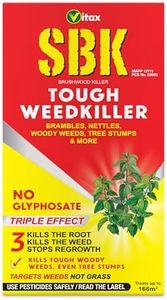

Vitax SBK 500ml Brushwood Killer
Active Ingredients: triclopyr
Application Method: apply when soil is moist
Residual Effects: prevents regrowth by attacking roots
Safety for Surrounding Plants: avoid contact with desirable plants
Environmental Impact: triclopyr can harm flora and fauna
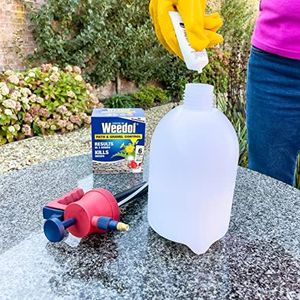
Weedol Rapid Weedkiller with Manual Sprayer, Ready To Use, 3L

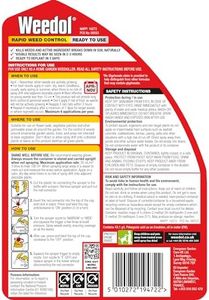
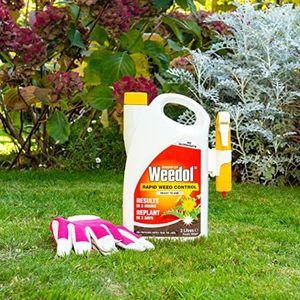
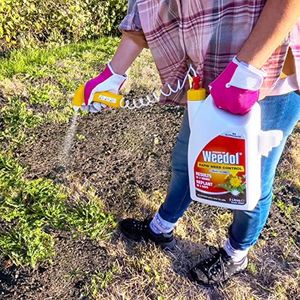
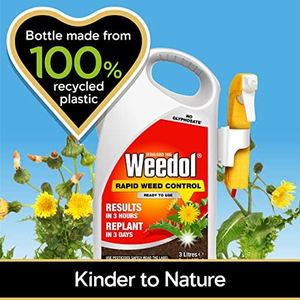
Weedol Rapid Weedkiller with Manual Sprayer, Ready To Use, 3L
Active Ingredients: glyphosate
Application Method: manual sprayer
Effectiveness Time: rapid
Residual Effects: may not be safe for plants
Environmental Impact: impact on biodiversity and soil
Resolva Xpress Ready to Use Weedkiller 5L Power Pump Refill, Blue
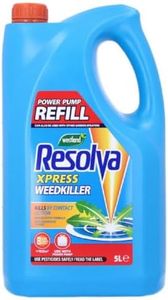
Resolva Xpress Ready to Use Weedkiller 5L Power Pump Refill, Blue
Application Method: contact action
Effectiveness Time: fast results
Safety for Surrounding Plants: glyphosate-free
Environmental Impact: glyphosate-free
Related Products
Doff Advanced Concentrated Weedkiller - 10 Sachets for Dilution in Water for Garden Protection – Kills Deep Rooted Weeds from Pathways to Driveways - Long Lasting Weed Control – Strong Weed Killer
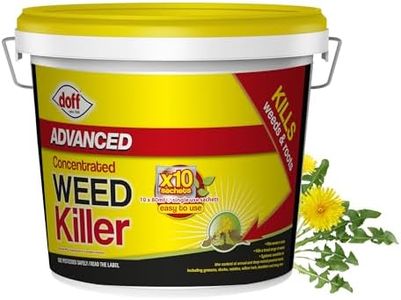
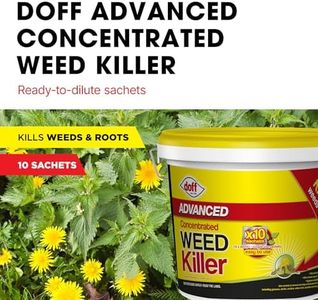
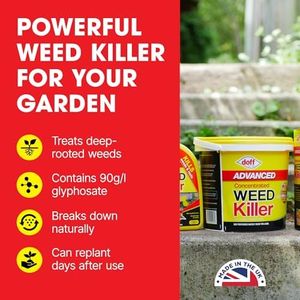
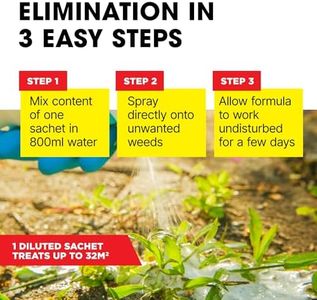
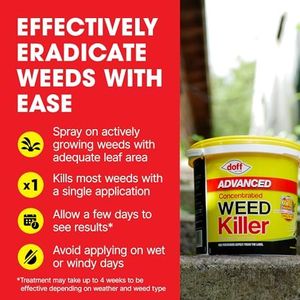
Doff Advanced Concentrated Weedkiller - 10 Sachets for Dilution in Water for Garden Protection – Kills Deep Rooted Weeds from Pathways to Driveways - Long Lasting Weed Control – Strong Weed Killer
Active Ingredients: glyphosate
Application Method: sachets for dilution
Residual Effects: affect non-target plants
Safety for Surrounding Plants: could pose risks
Environmental Impact: raises concerns
Enviro Works Weed Gone 5L Fast Acting Weedkiller Long Hose Trigger (Ready to use), See Results Within 24 hours
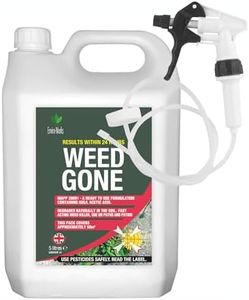
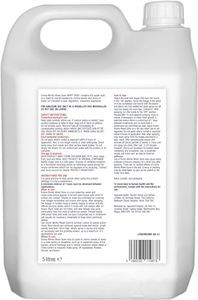
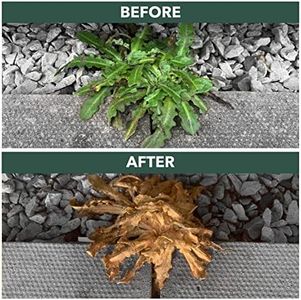
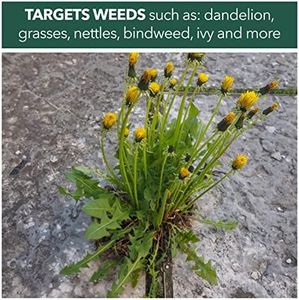
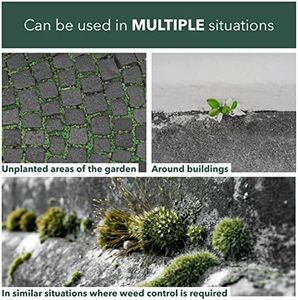
Enviro Works Weed Gone 5L Fast Acting Weedkiller Long Hose Trigger (Ready to use), See Results Within 24 hours
Active Ingredients: acetic acid
Application Method: spray bottle with long hose
Effectiveness Time: within 24 hours
Residual Effects: no long-lasting weed prevention
Safety for Surrounding Plants: safer if sprayed carefully
Environmental Impact: biodegradable, less harmful chemical



#10
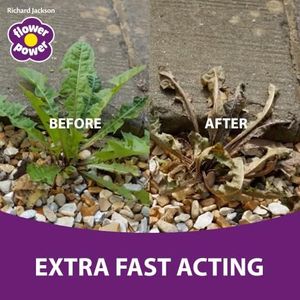
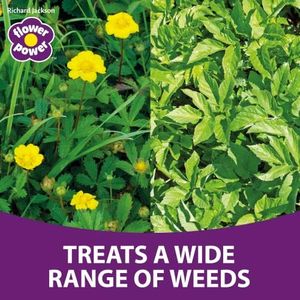
Resolva 20300515 Path & Drive Weed Killer 1L, Natural
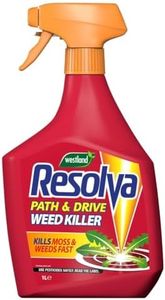
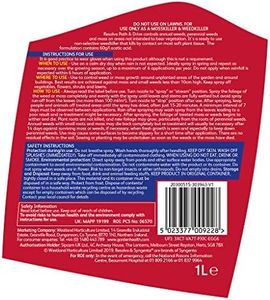
Resolva 20300515 Path & Drive Weed Killer 1L, Natural
Active Ingredients: acetic acid
Application Method: spray
Effectiveness Time: within hours
Residual Effects: damage to surrounding plants
Environmental Impact: may alter soil pH
Recommended lists


Buying Guide for the Best Organic Weed Killers
Choosing the right organic weed killer can be a bit overwhelming, but with the right knowledge, you can find the perfect product to keep your garden healthy and weed-free. Organic weed killers are a great choice for those who want to avoid harmful chemicals and maintain an eco-friendly garden. Here are some key specifications to consider when selecting an organic weed killer, along with explanations to help you make an informed decision.Active IngredientsThe active ingredients in an organic weed killer are the substances that actually kill the weeds. Common active ingredients include vinegar, citric acid, and essential oils like clove or orange oil. These ingredients are important because they determine the effectiveness and safety of the product. If you have pets or children, you might prefer a weed killer with milder ingredients. For tougher weeds, look for products with stronger active ingredients.
Application MethodThe application method refers to how the weed killer is applied to the weeds. This can include spray bottles, concentrate solutions that need to be mixed with water, or granular products. The method is important because it affects ease of use and coverage area. For small gardens or spot treatments, a spray bottle might be sufficient. For larger areas, a concentrate that can be mixed and applied with a garden sprayer might be more efficient.
Effectiveness TimeEffectiveness time is how quickly the weed killer works after application. Some products show results within hours, while others may take a few days. This is important if you need quick results, for example, before a garden event. If you are not in a rush, a slower-acting product might be just as effective and potentially less harsh on your plants.
Residual EffectsResidual effects refer to how long the weed killer remains active in the soil after application. Some organic weed killers break down quickly and have no lasting effects, while others may continue to prevent weed growth for a longer period. This is important if you plan to plant new seeds or plants in the treated area soon after application. If you want to replant quickly, choose a product with minimal residual effects.
Safety for Surrounding PlantsSafety for surrounding plants is crucial if you have other plants or a lawn that you want to protect. Some organic weed killers are non-selective, meaning they will kill any plant they come into contact with, while others are selective and target only specific types of weeds. If you need to treat weeds in a flower bed or vegetable garden, look for a selective weed killer that won't harm your desired plants.
Environmental ImpactThe environmental impact of an organic weed killer includes its effects on soil health, water sources, and non-target organisms like beneficial insects. Organic products are generally better for the environment, but some may still have negative effects if overused. Consider products that are certified by environmental organizations or have minimal impact on non-target species. This is especially important if you are committed to sustainable gardening practices.