We Use CookiesWe use cookies to enhance the security, performance,
functionality and for analytical and promotional activities. By continuing to browse this site you
are agreeing to our privacy policy
10 Best Laptops For Home Use
From leading brands and best sellers available on the web.Top 10 Best Laptops For Home Use 2025 in the UK
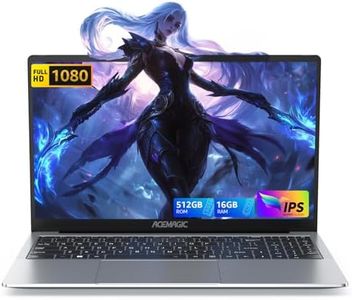
#1
Winner
ASUS Vivobook 15 E1504FA Laptop | 15.6" Full HD Screen | AMD Ryzen 3-7320U | 8GB RAM | 512GB SSD | Windows 11 Home
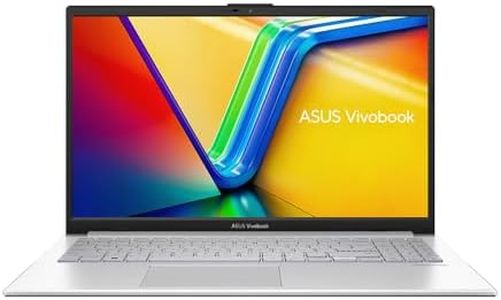
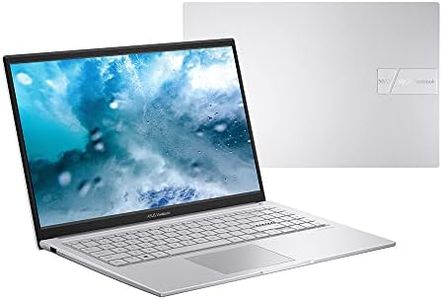

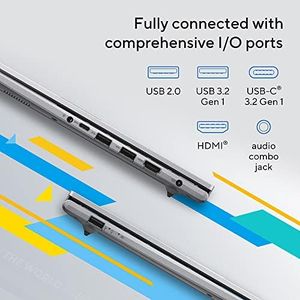
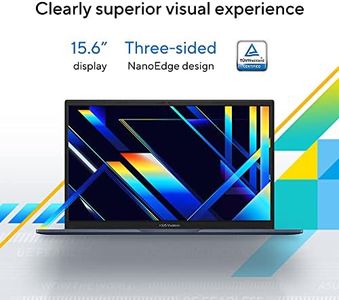
ASUS Vivobook 15 E1504FA Laptop | 15.6" Full HD Screen | AMD Ryzen 3-7320U | 8GB RAM | 512GB SSD | Windows 11 Home
Processor (CPU): AMD Ryzen 3-7320U
RAM: 8 GB DDR5
Storage: 512GB SSD
Display: 15.6-inch Full HD
Operating System: Windows 11 Home
Ports and Connectivity: 2 USB 3.0, 1 USB 2.0, Wi-Fi
Chosen by 1415 this week
Dell Inspiron 16 7640 2-in-1 Laptop 16" 2.5K 90Hz Touch Display, Intel Evo Edition - Intel Core Ultra 7 155H, 16GB RAM, 1TB SSD, Intel Arc Graphics, Windows 11 Home, English-UK Backlit Keyboard
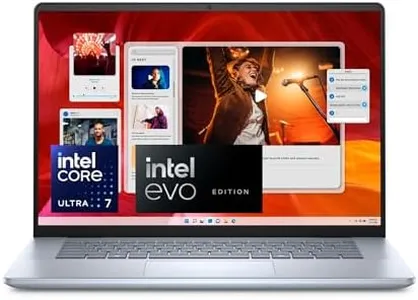


Dell Inspiron 16 7640 2-in-1 Laptop 16" 2.5K 90Hz Touch Display, Intel Evo Edition - Intel Core Ultra 7 155H, 16GB RAM, 1TB SSD, Intel Arc Graphics, Windows 11 Home, English-UK Backlit Keyboard
Processor (CPU): Intel Core Ultra 7 155H
RAM: 16 GB
Storage: 1 TB SSD
Display: 16-inch 2.5K touch, 2560x1600, 90Hz
Operating System: Windows 11 Home
Ports and Connectivity: Bluetooth, 802.11ax, Wi-Fi
HP Stream 14" Laptop | Intel N4120 Processor | 4 GB RAM | 64 GB eMMC | Intel UHD Graphics | HD Display | Dual Speakers | Microsoft 365 Personal 12 month included | Win 11| Jet Black | 14s-dq0000sa
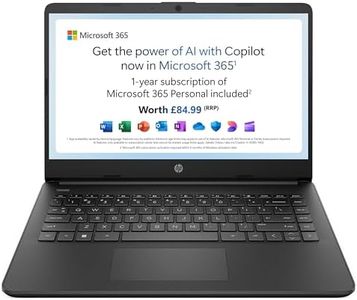
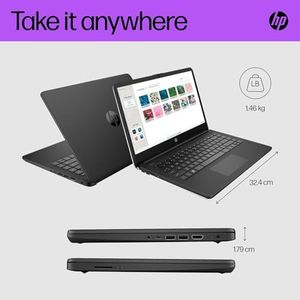
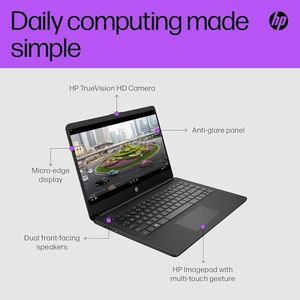
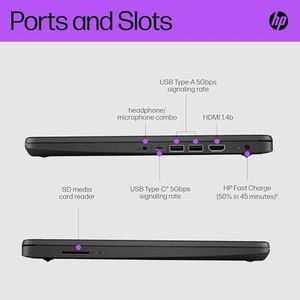
HP Stream 14" Laptop | Intel N4120 Processor | 4 GB RAM | 64 GB eMMC | Intel UHD Graphics | HD Display | Dual Speakers | Microsoft 365 Personal 12 month included | Win 11| Jet Black | 14s-dq0000sa
Processor (CPU): Intel Celeron N4120
RAM: 4 GB
Storage: 64 GB eMMC
Display: 14-inch HD, 1366 x 768
Operating System: Windows 11 Home
Ports and Connectivity: HDMI, USB 3.0, Bluetooth, Wi-Fi
Dell Inspiron 16 5645 Laptop 16" FHD+ Display, AMD Ryzen 7 8840U, Radeon Graphics, 16GB RAM, 1TB SSD, Windows 11 Home, Fingerprint Reader, English-UK Backlit Keyboard, Midnight Blue
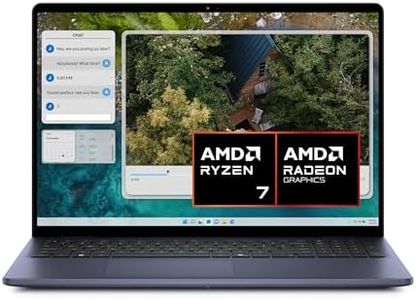
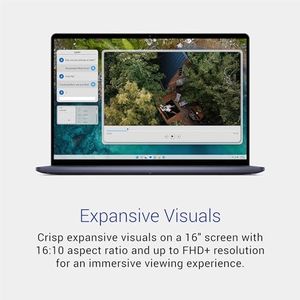
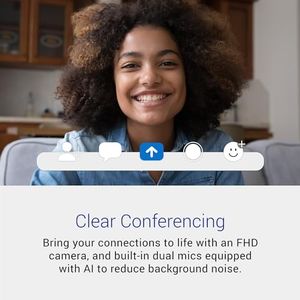
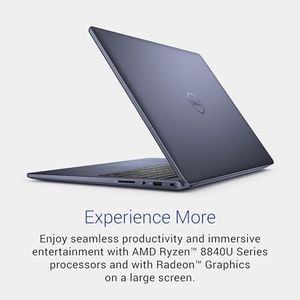
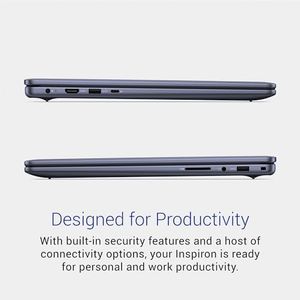
Dell Inspiron 16 5645 Laptop 16" FHD+ Display, AMD Ryzen 7 8840U, Radeon Graphics, 16GB RAM, 1TB SSD, Windows 11 Home, Fingerprint Reader, English-UK Backlit Keyboard, Midnight Blue
Processor (CPU): Ryzen 7 8840U
RAM: 16 GB DDR5
Storage: 1 TB SSD
Display: 16-inch, 1920x1200, 16:10 ratio
Battery Life: 54Wh
Operating System: Windows 11 Home
Ports and Connectivity: Wi-Fi 6, Bluetooth
Lenovo IdeaPad Slim 3 | 15 inch Full HD Laptop | Intel Core i5-12450H | 8GB RAM | 512GB SSD | Windows 11 Home | Abyss Blue
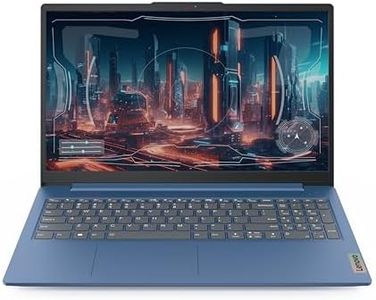
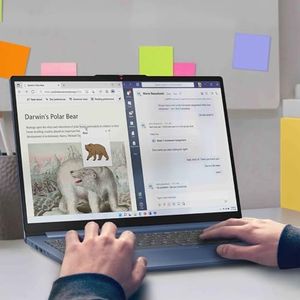
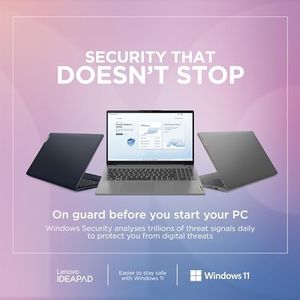
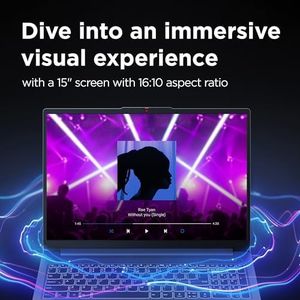
Lenovo IdeaPad Slim 3 | 15 inch Full HD Laptop | Intel Core i5-12450H | 8GB RAM | 512GB SSD | Windows 11 Home | Abyss Blue
Processor (CPU): 12th gen Intel Core i5
RAM: 8 GB
Storage: 512GB SSD
Display: 15.6-inch FHD, TÜV low blue light
Battery Life: 2 Hours
Operating System: Windows 11 Home
Ports and Connectivity: USB-C, Wi-Fi 802.11ac, Bluetooth
Related Products
Up to 25% off
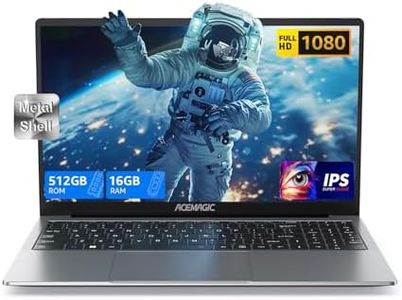
HP 14" Laptop | Intel Core i5-1235U Processor | 8 GB RAM | 512 GB SSD | Intel Iris Xe Graphics | FHD Display | Up to 8hrs battery | Windows 11 | Dual Speakers | Natural Silver | 14s-dq5005sa
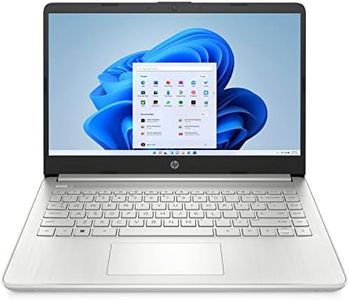
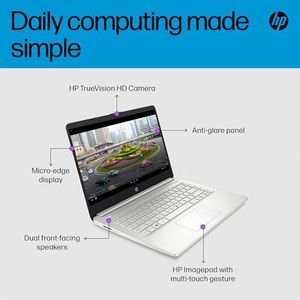
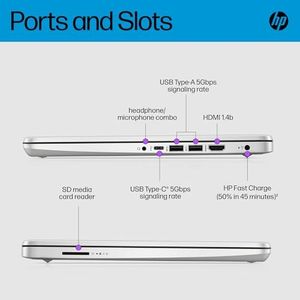
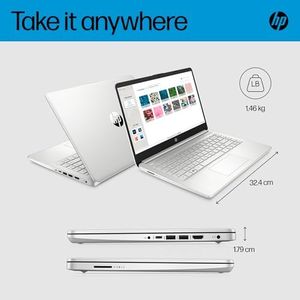
HP 14" Laptop | Intel Core i5-1235U Processor | 8 GB RAM | 512 GB SSD | Intel Iris Xe Graphics | FHD Display | Up to 8hrs battery | Windows 11 | Dual Speakers | Natural Silver | 14s-dq5005sa
Processor (CPU): Intel Core i5-1235U
RAM: 8GB
Storage: 512GB SSD
Display: 14-inch Full HD
Battery Life: 8 hours
Operating System: Windows 11 Home
Ports and Connectivity: Bluetooth, multiple USB ports
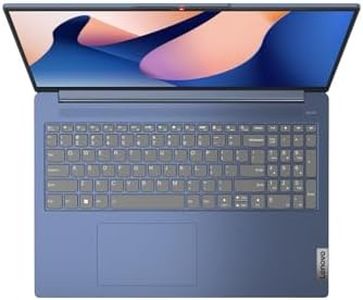
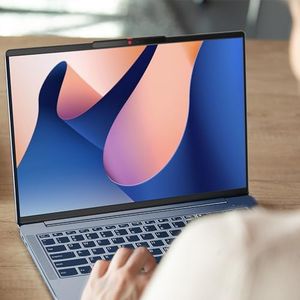
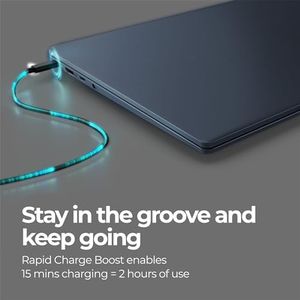
Apple 2024 MacBook Air 13-inch Laptop with M3 chip: 13.6-inch Liquid Retina Display, 16GB Unified Memory, 256GB SSD Storage, Backlit Keyboard, 1080p FaceTime HD Camera, Touch ID; Midnight
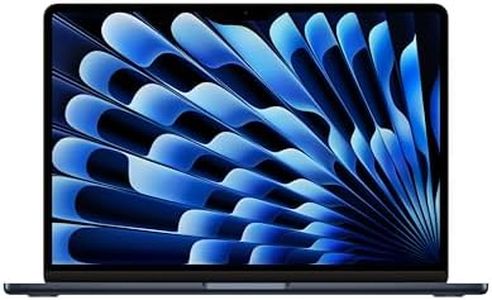
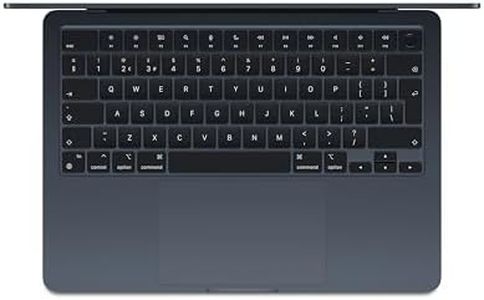
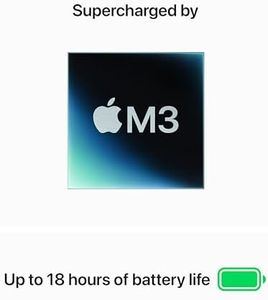
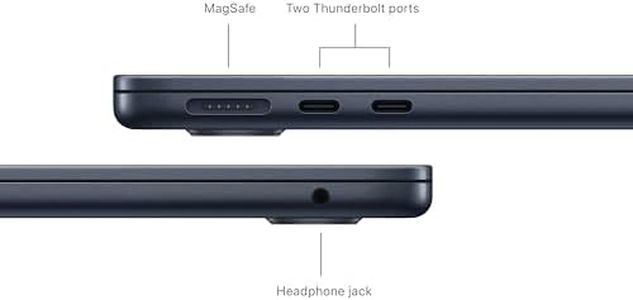

Apple 2024 MacBook Air 13-inch Laptop with M3 chip: 13.6-inch Liquid Retina Display, 16GB Unified Memory, 256GB SSD Storage, Backlit Keyboard, 1080p FaceTime HD Camera, Touch ID; Midnight
Processor (CPU): Apple M3, 8-core CPU
RAM: 16GB
Storage: 256GB SSD
Display: 13.6-inch Liquid Retina
Battery Life: Up to 18 hours
Operating System: macOS
Ports and Connectivity: 2 Thunderbolt, headphone jack, Wi-Fi 6E
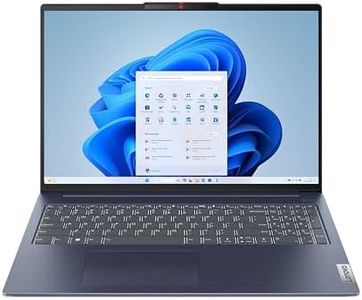
Lenovo IdeaPad Pro 5 | 16 inch 2.5K Laptop | Intel Core Ultra 9 185H | 32GB RAM | 1TB SSD | Windows 11 Home | Arctic Grey
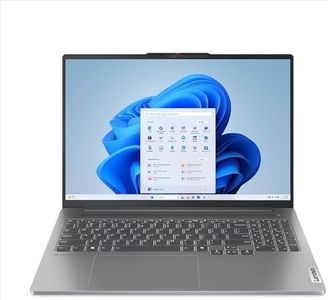
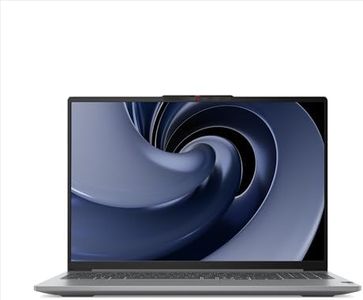
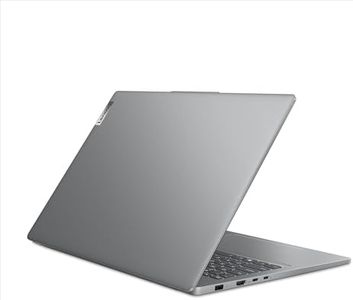
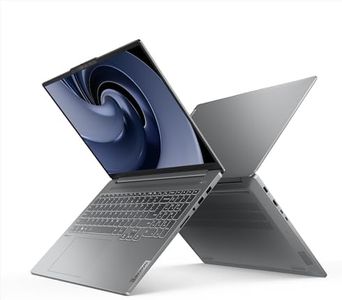
Lenovo IdeaPad Pro 5 | 16 inch 2.5K Laptop | Intel Core Ultra 9 185H | 32GB RAM | 1TB SSD | Windows 11 Home | Arctic Grey
Processor (CPU): Intel Core i9, 16 cores, 5.1 GHz
RAM: 32 GB DDR5
Storage: 1 TB SSD
Display: 16", 2560x1600, 120Hz, Anti Glare
Battery Life: Decent, Rapid Charge support
Operating System: Windows 11 Home
Ports and Connectivity: 1 HDMI, 2 USB 3.0, Bluetooth, Wi-Fi
#10
Dell Inspiron 15 3000 Business Laptop, 15.6" FHD Display, 12th Gen Intel Core i7-1255U, Windows 11 Pro, 32GB DDR4 RAM, 1TB PCIe SSD, WiFi 6, SD Card Reader, Long Battery Life
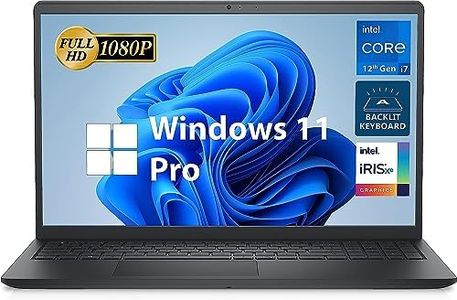
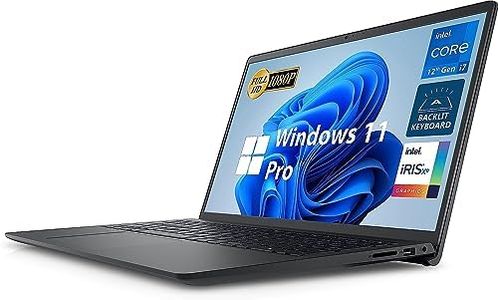
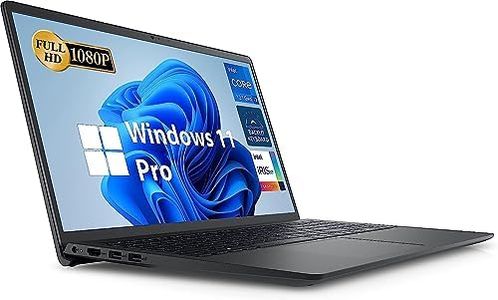
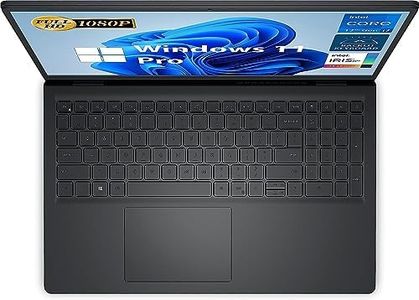
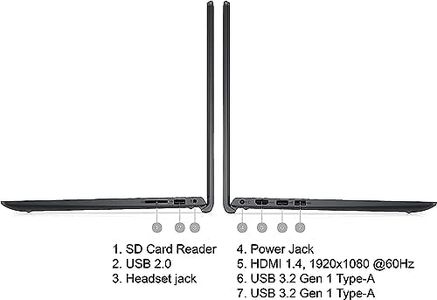
Dell Inspiron 15 3000 Business Laptop, 15.6" FHD Display, 12th Gen Intel Core i7-1255U, Windows 11 Pro, 32GB DDR4 RAM, 1TB PCIe SSD, WiFi 6, SD Card Reader, Long Battery Life
Processor (CPU): Core i7-1255U
RAM: 32 GB
Storage: 1TB PCIe SSD
Display: 15.6-inch Full HD, 120Hz
Battery Life: 30.24 Hours
Operating System: Windows 11 Pro
Ports and Connectivity: USB, HDMI, Wi-Fi 6, Bluetooth
Buying Guide for the Best Laptops For Home Use
Choosing the right laptop for home use can be a bit overwhelming with so many options available. The key is to understand your specific needs and how different specifications can meet those needs. Whether you need a laptop for browsing the internet, streaming videos, working from home, or casual gaming, knowing what to look for will help you make an informed decision.Processor (CPU)The processor, or CPU, is the brain of your laptop. It determines how fast and efficiently your laptop can perform tasks. For basic home use like browsing the web, checking emails, and streaming videos, a dual-core processor (like Intel Core i3 or AMD Ryzen 3) is usually sufficient. If you plan to do more demanding tasks like photo editing or light gaming, a quad-core processor (like Intel Core i5 or AMD Ryzen 5) would be better. For heavy multitasking or more intensive applications, consider a higher-end processor (like Intel Core i7 or AMD Ryzen 7).
RAMRAM (Random Access Memory) is crucial for multitasking and running applications smoothly. For basic home use, 4GB of RAM might be enough, but 8GB is recommended for a smoother experience, especially if you tend to keep multiple tabs open or run several applications at once. If you plan to use more demanding software or do a lot of multitasking, 16GB or more would be ideal.
StorageStorage determines how much data you can keep on your laptop. There are two main types: HDD (Hard Disk Drive) and SSD (Solid State Drive). SSDs are faster and more reliable but usually more expensive. For general home use, a 256GB SSD should be sufficient for storing documents, photos, and some videos. If you have a large media library or plan to install many programs, consider a 512GB SSD or a combination of a smaller SSD for the operating system and a larger HDD for additional storage.
DisplayThe display size and resolution affect your viewing experience. For home use, a 13 to 15-inch screen is usually a good balance between portability and usability. If you plan to watch a lot of videos or do some photo editing, a Full HD (1920x1080) resolution is recommended for clear and sharp images. Higher resolutions like 4K are great but can be overkill for basic tasks and will drain the battery faster.
Battery LifeBattery life is important if you plan to use your laptop away from a power outlet. For home use, where you might be near a power source most of the time, battery life might not be as critical. However, it's still good to have a laptop that can last at least 6-8 hours on a single charge for flexibility. If you plan to use your laptop in different rooms or outside, look for models with longer battery life.
Operating SystemThe operating system (OS) is the software that manages all the hardware and software on your laptop. The most common options are Windows, macOS, and Chrome OS. Windows is versatile and compatible with most software, making it a good choice for general home use. macOS, found on Apple laptops, is known for its smooth performance and integration with other Apple devices. Chrome OS is lightweight and great for basic tasks like browsing and using web-based applications, but it has limited offline capabilities.
Ports and ConnectivityHaving the right ports and connectivity options can make your laptop more versatile. Common ports include USB-A, USB-C, HDMI, and an audio jack. For home use, ensure your laptop has enough USB ports for peripherals like a mouse, keyboard, or external storage. HDMI is useful if you want to connect your laptop to a TV or external monitor. Additionally, having good Wi-Fi capabilities (preferably Wi-Fi 6) ensures a stable internet connection.