10 Best Laptops
From leading brands and best sellers available on the web.By clicking on a link to a third party's website, log data is shared with that third party.
Top 10 Best Laptops 2026 in the UK
#1
Winner
HP 15.6” Laptop | AMD Ryzen 5 7520U Processor | 16 GB RAM | 1 TB SSD | AMD Radeon Graphics | FHD Display | Up to 11.5 hrs battery | Dual Speakers | Windows 11 | Silver | 15-fc0002sa
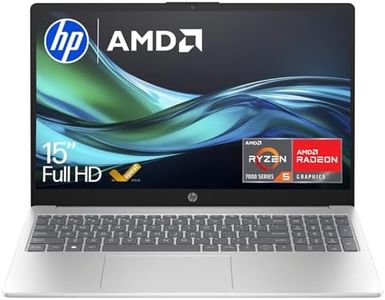
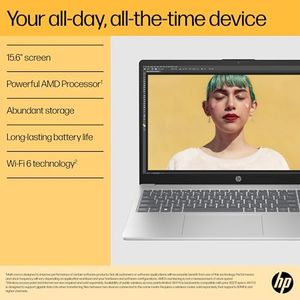
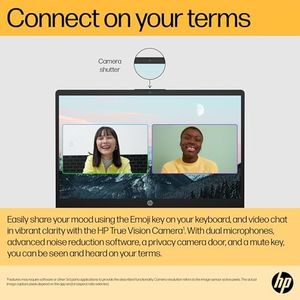
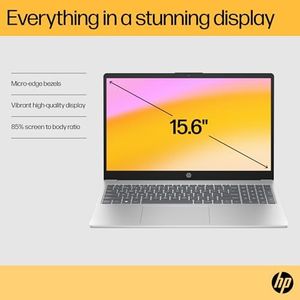
HP 15.6” Laptop | AMD Ryzen 5 7520U Processor | 16 GB RAM | 1 TB SSD | AMD Radeon Graphics | FHD Display | Up to 11.5 hrs battery | Dual Speakers | Windows 11 | Silver | 15-fc0002sa
Processor (CPU): AMD Ryzen 5 7520U, 4 cores, 4.3 GHz
RAM: 16 GB DDR4, 3200 MHz
Storage: 1000 GB SSD
Display: 15.6", 1920x1080, LCD, Anti Glare
Battery Life: 10.5 Hours
Graphics Card (GPU): Integrated AMD Radeon Graphics
Portability: 1.59 kg, 1.9 cm thick
Connectivity: Wi-Fi 6, Bluetooth 5.4, HDMI, USB
Chosen by 1375 this week
Apple MacBook Pro 16.2-inch Laptop with M5 Pro chip with 18 core CPU and 20 core GPU: Built for AI, Liquid Retina XDR Display, 24GB Unified Memory, 1TB SSD, Wi-Fi 7; Space Black
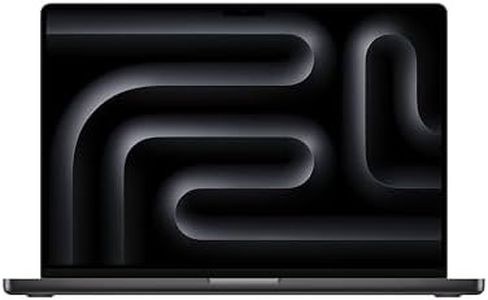
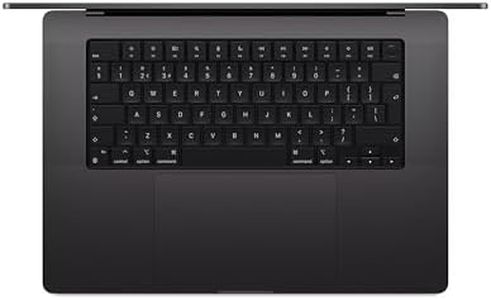

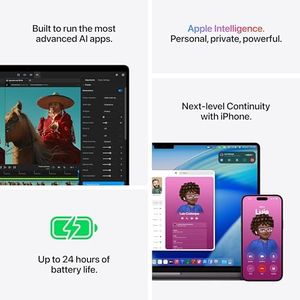
Apple MacBook Pro 16.2-inch Laptop with M5 Pro chip with 18 core CPU and 20 core GPU: Built for AI, Liquid Retina XDR Display, 24GB Unified Memory, 1TB SSD, Wi-Fi 7; Space Black
Processor (CPU): Apple M5 Pro, 18-core CPU
RAM: 24 GB
Storage: 1TB SSD
Display: 16.2-inch Liquid Retina XDR
Battery Life: All day
Graphics Card (GPU): 20-core GPU in M5 Pro
Portability: 16-inch, supports extended use
Connectivity: 3x Thunderbolt 5, HDMI, SD, Wi-Fi 7
Dell Latitude 5400 14.0" Laptop, Intel i5-8365U, 16GB Ram, 512GB SSD, Windows 11 Pro, Black (Renewed)
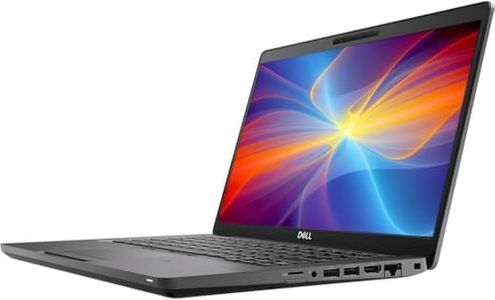
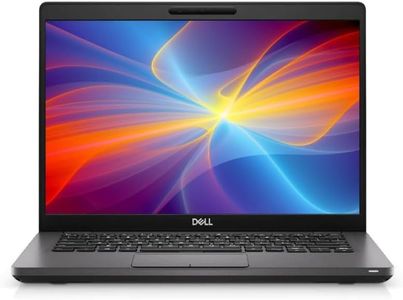
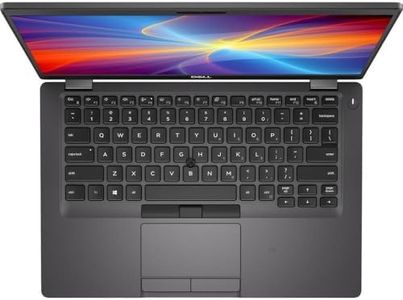
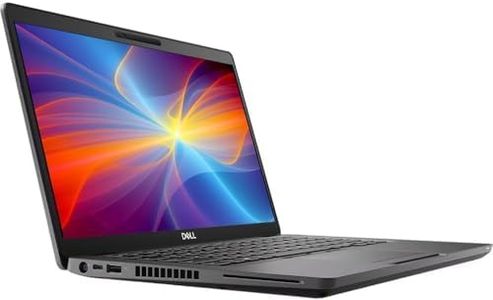
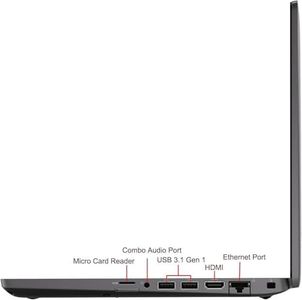
Dell Latitude 5400 14.0" Laptop, Intel i5-8365U, 16GB Ram, 512GB SSD, Windows 11 Pro, Black (Renewed)
Processor (CPU): Intel Core i5-8365U, 8th Gen, 1.6 GHz
RAM: 16 GB DDR4 SDRAM
Storage: 512 GB SSD
Display: 14", 1366x768, LED, Matte
Battery Life: 1 Hour
Graphics Card (GPU): Integrated
Portability: 14-inch, relatively lightweight
Connectivity: USB, HDMI, Ethernet, Bluetooth, Wi-Fi
Apple 2025 MacBook Air 13-inch Laptop with M4 chip: Built for Apple Intelligence, 13.6-inch Liquid Retina Display, 16GB Unified Memory, 256GB SSD Storage, 12MP Center Stage Camera, Touch ID; Midnight
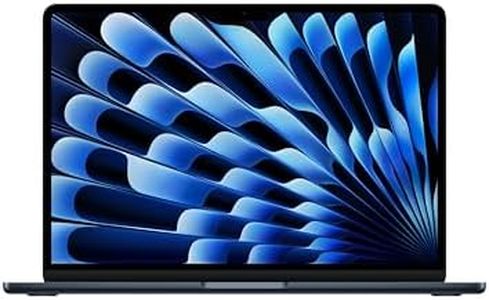
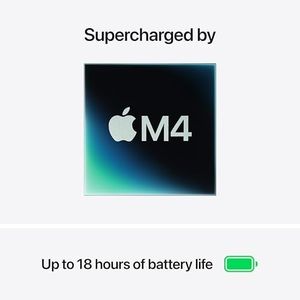
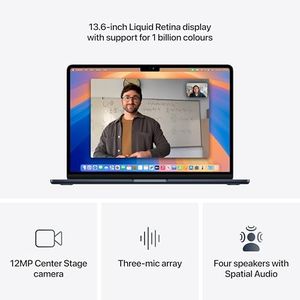
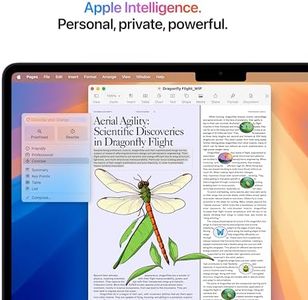
Apple 2025 MacBook Air 13-inch Laptop with M4 chip: Built for Apple Intelligence, 13.6-inch Liquid Retina Display, 16GB Unified Memory, 256GB SSD Storage, 12MP Center Stage Camera, Touch ID; Midnight
Processor (CPU): Apple M4
RAM: 16 GB
Storage: 256GB SSD
Display: 13.6-inch Liquid Retina
Battery Life: Up to 18 hours
Graphics Card (GPU): Integrated
Portability: Lightweight
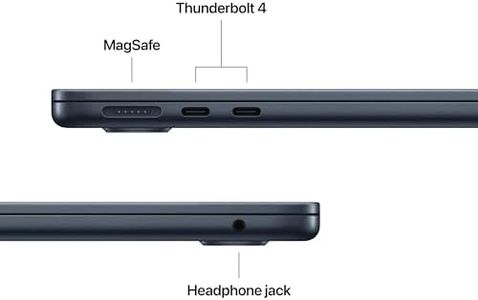
Connectivity: 2 Thunderbolt 4, MagSafe, Wi-Fi 6E
Related Products
Up to 7% off
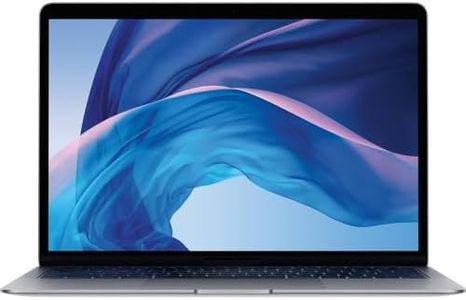
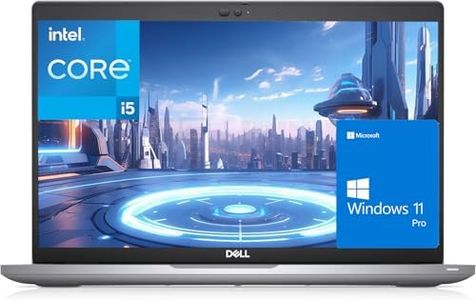
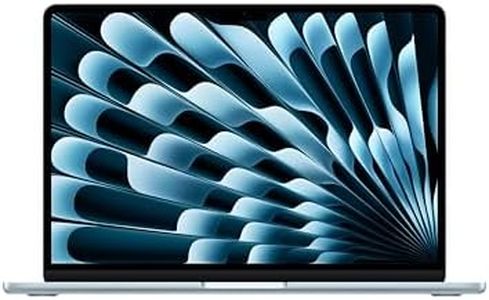
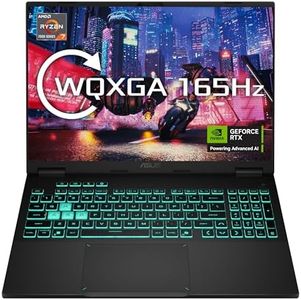
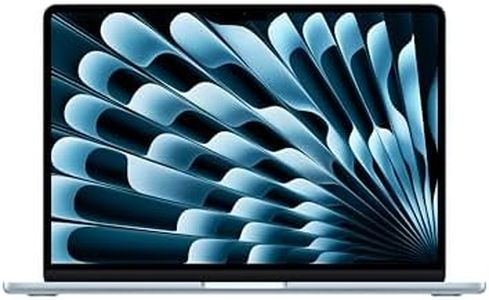
Apple 2025 MacBook Air 13-inch Laptop with M4 chip: Built for Apple Intelligence, 13.6-inch Liquid Retina Display, 16GB Unified Memory, 256GB SSD Storage, 12MP Center Stage Camera, Touch ID; Sky Blue
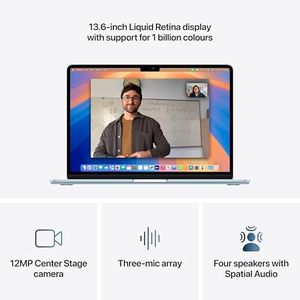
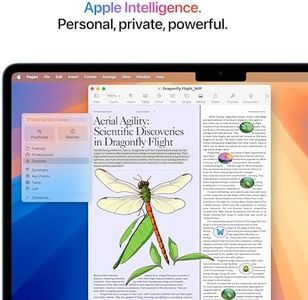
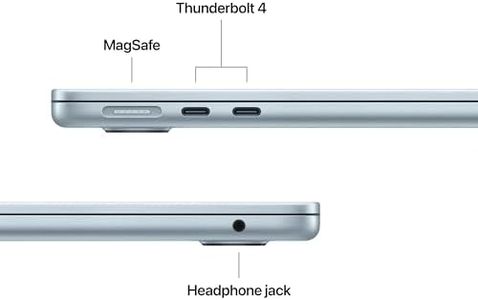
Apple 2025 MacBook Air 13-inch Laptop with M4 chip: Built for Apple Intelligence, 13.6-inch Liquid Retina Display, 16GB Unified Memory, 256GB SSD Storage, 12MP Center Stage Camera, Touch ID; Sky Blue
Processor (CPU): Apple M4
RAM: 16 GB
Storage: 256GB
Display: 13.6-inch Liquid Retina
Battery Life: Up to 18 hours
Graphics Card (GPU): Integrated
Portability: Lightweight
Connectivity: 2 Thunderbolt 4 ports, MagSafe, Wi-Fi 6E, Bluetooth 5.3
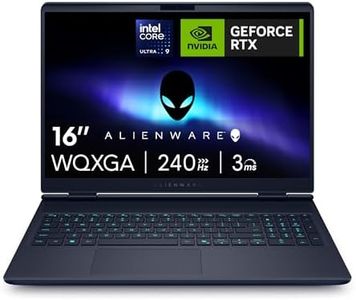
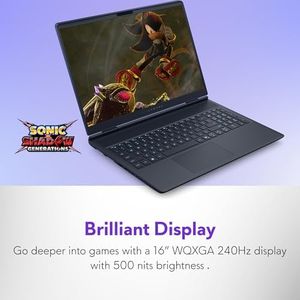
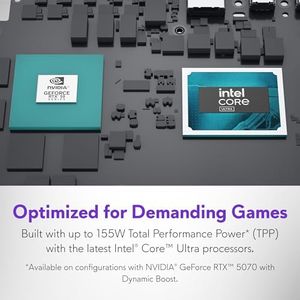
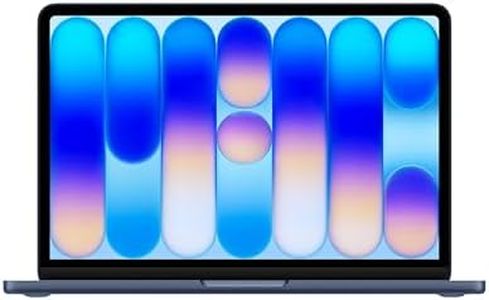
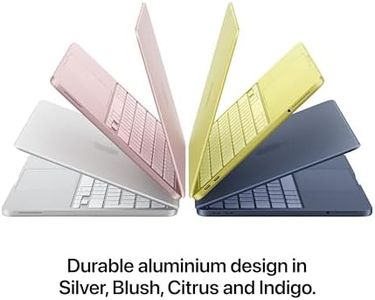
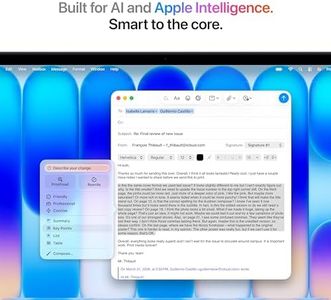
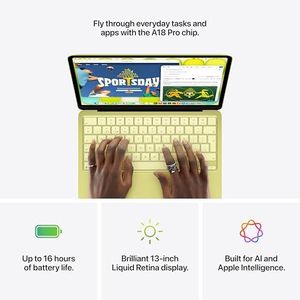
Apple MacBook Air 13-inch Laptop M5 chip with 10-core CPU and 8-core GPU: Built for AI, 13.6-inch Liquid Retina Display, 16GB Unified Memory, 512GB SSD, 12MP Center Stage, Touch ID, Wi-Fi 7; Midnight
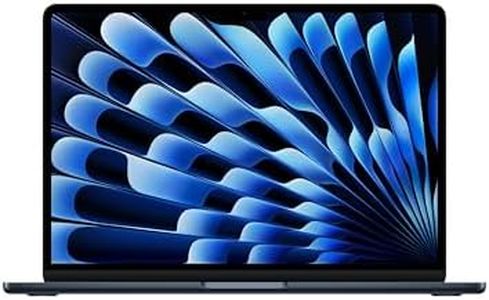
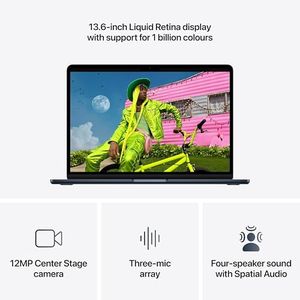
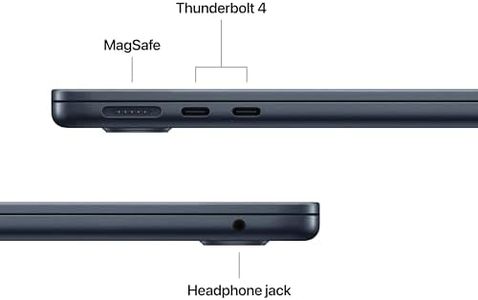
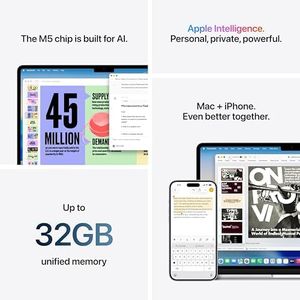
Apple MacBook Air 13-inch Laptop M5 chip with 10-core CPU and 8-core GPU: Built for AI, 13.6-inch Liquid Retina Display, 16GB Unified Memory, 512GB SSD, 12MP Center Stage, Touch ID, Wi-Fi 7; Midnight
Processor (CPU): Apple M5, 10-core CPU
RAM: 16 GB
Storage: 512GB SSD
Display: 13.6-inch Liquid Retina
Battery Life: Up to 18 hours
Graphics Card (GPU): 8-core Integrated GPU
Portability: Lightweight and portable
Connectivity: Thunderbolt 4, Wi-Fi 7, Bluetooth 6

#10
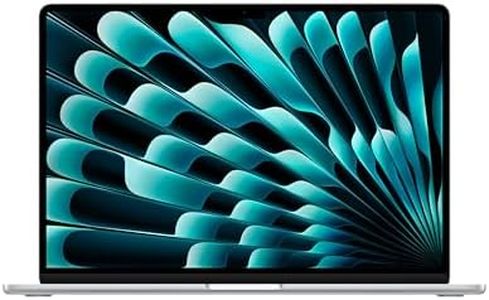
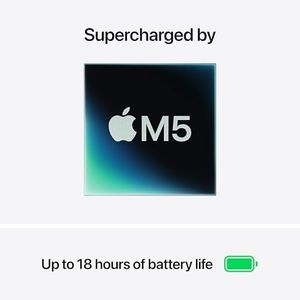
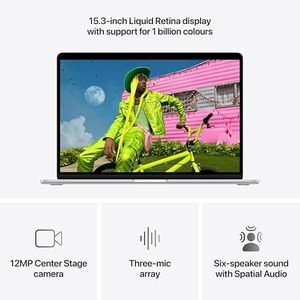
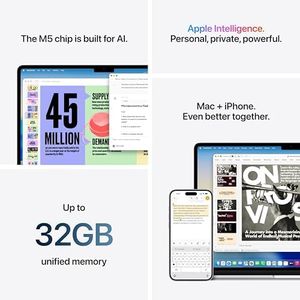
Apple MacBook Air 15-inch Laptop with M5 chip: Built for AI, 15.3-inch Liquid Retina Display, 16GB Unified Memory, 512GB SSD, 12MP Center Stage, Touch ID, Wi-Fi 7; Midnight
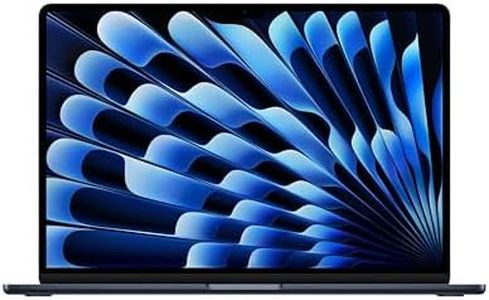
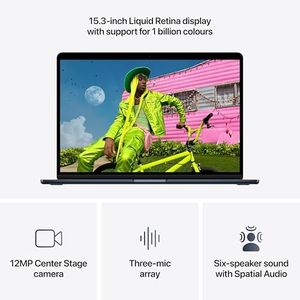
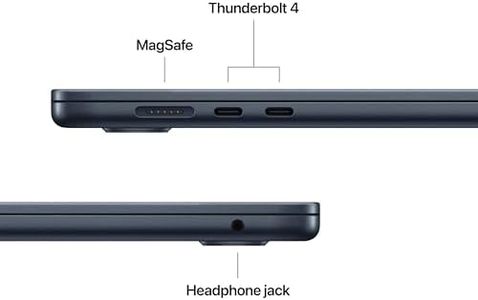
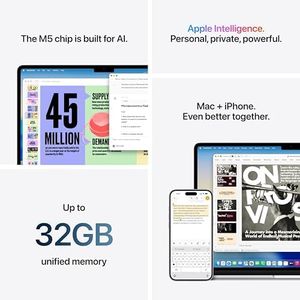
Apple MacBook Air 15-inch Laptop with M5 chip: Built for AI, 15.3-inch Liquid Retina Display, 16GB Unified Memory, 512GB SSD, 12MP Center Stage, Touch ID, Wi-Fi 7; Midnight
Processor (CPU): Apple M4
RAM: 16 GB
Storage: 512GB SSD
Display: 15.3-inch Liquid Retina
Battery Life: Up to 18 hours
Graphics Card (GPU): Integrated
Portability: Lightweight
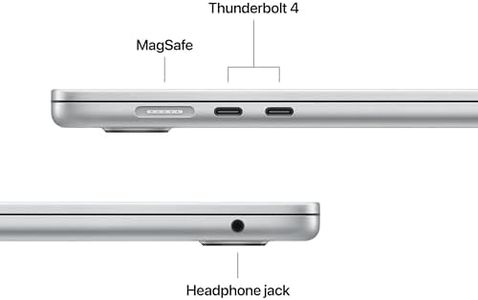
Connectivity: Wi-Fi 7, Bluetooth 6, 2 Thunderbolt 4


Buying Guide for the Best Laptops
Choosing the right laptop can be a daunting task given the multitude of options available. It's important to consider what you'll be using the laptop for, as different tasks require different specifications. Whether you're a student, a professional, a gamer, or just need a laptop for everyday use, understanding the key specifications will help you make an informed decision.Processor (CPU)The processor is the brain of the laptop and determines how fast and efficiently it can perform tasks. For basic tasks like browsing the web and using office applications, an entry-level processor like Intel Core i3 or AMD Ryzen 3 will suffice. For more demanding tasks like video editing, programming, or gaming, you should look for a mid-range to high-end processor like Intel Core i5/i7 or AMD Ryzen 5/7. If you need top-tier performance for professional-grade applications, consider Intel Core i9 or AMD Ryzen 9.
RAMRAM (Random Access Memory) is crucial for multitasking and running applications smoothly. For basic use, 4GB to 8GB of RAM is usually enough. If you plan to run multiple applications simultaneously or use more demanding software, 16GB is a good middle ground. For heavy multitasking, gaming, or professional applications like video editing and 3D rendering, 32GB or more may be necessary.
StorageStorage determines how much data you can keep on your laptop. There are two main types: HDD (Hard Disk Drive) and SSD (Solid State Drive). SSDs are faster and more reliable but usually more expensive. For basic use, a 256GB SSD should be sufficient. If you store a lot of files, photos, or videos, consider a 512GB or 1TB SSD. HDDs are cheaper and offer more storage space, but they are slower. If you need a lot of storage and are on a budget, a combination of SSD for the operating system and HDD for data storage can be a good option.
DisplayThe display is important for your viewing experience. For general use, a 13 to 15-inch screen with Full HD (1920x1080) resolution is usually adequate. If you need more screen real estate for multitasking or professional work, consider a larger screen (17 inches) or higher resolution (4K). For gaming or graphic design, look for displays with higher refresh rates (120Hz or more) and better color accuracy.
Battery LifeBattery life is crucial if you plan to use your laptop on the go. For basic use, a laptop with 6-8 hours of battery life should be sufficient. If you travel frequently or use your laptop for extended periods away from a power source, look for models that offer 10 hours or more. Keep in mind that more powerful laptops with high-end specs may have shorter battery life.
Graphics Card (GPU)The graphics card is important for gaming, video editing, and other graphics-intensive tasks. Integrated graphics (built into the CPU) are usually sufficient for basic tasks and light gaming. For more demanding applications, look for dedicated graphics cards like NVIDIA GeForce or AMD Radeon. Entry-level GPUs are good for casual gaming, while mid-range to high-end GPUs are necessary for serious gaming, VR, and professional graphic work.
PortabilityPortability is determined by the laptop's size and weight. If you need a laptop for travel or commuting, look for lightweight models (under 3 pounds) and compact sizes (13-14 inches). For home or office use where portability is less important, larger and heavier models (15-17 inches) can offer better performance and more features.
ConnectivityConnectivity options like USB ports, HDMI, and Wi-Fi are important for connecting peripherals and accessing the internet. Ensure the laptop has enough USB ports for your needs, and consider USB-C for faster data transfer. HDMI ports are useful for connecting to external monitors. For internet access, look for laptops with the latest Wi-Fi standards (Wi-Fi 6) for better speed and reliability.