10 Best Gaming Laptop
From leading brands and best sellers available on the web.By clicking on a link to a third party's website, log data is shared with that third party.
Top 10 Best Gaming Laptop 2026 in the UK
#1
Winner
ASUS ROG Strix 16 G614PR 16.0" WUXGA 165Hz Gaming Laptop (AMD Ryzen 9-8940HX, NVIDIA GeForce RTX 5070Ti 12GB Graphics, 16GB RAM, 1TB PCIe SSD, 4-Zone Backlit Keyboard, Windows 11)
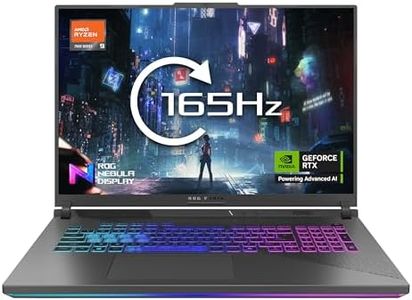
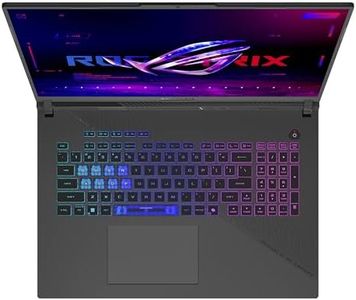

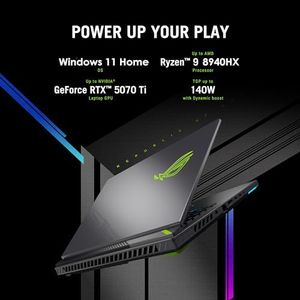

ASUS ROG Strix 16 G614PR 16.0" WUXGA 165Hz Gaming Laptop (AMD Ryzen 9-8940HX, NVIDIA GeForce RTX 5070Ti 12GB Graphics, 16GB RAM, 1TB PCIe SSD, 4-Zone Backlit Keyboard, Windows 11)
Graphics Card (GPU): NVIDIA RTX 5070Ti, 12GB GDDR6
Processor (CPU): AMD Ryzen 9-8940HX, 16 cores, 5.2GHz
RAM: 16GB DDR5, 5600 MHz
Storage: 1TB PCIe 4.0 SSD
Display: 16", 1920x1200, 165Hz, LED
Battery Life: 90 Wh
Build Quality and Design: Solid build, gamer design, grey
Chosen by 1457 this week
Gigabyte AERO X16 Gaming Laptop - Copilot+ PC, 16", 165Hz WQXGA, Ryzen AI 7 350, RTX 5060, 16GB DDR5 5200MHz, 1TB Gen4 SSD, Windows 11 Home, 2 Year Warranty, Dolby Atmos, AERO X16 1VH93UKC94AH
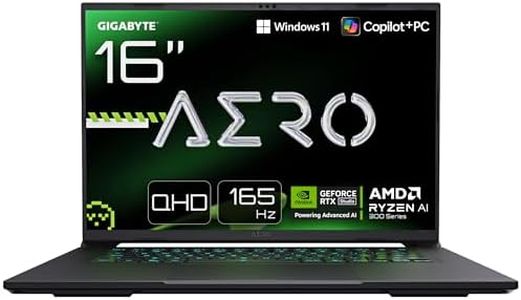
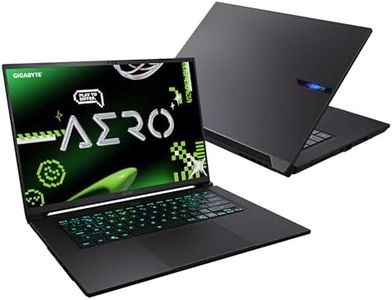
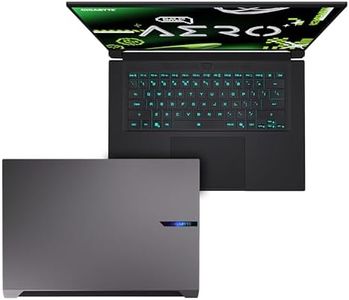
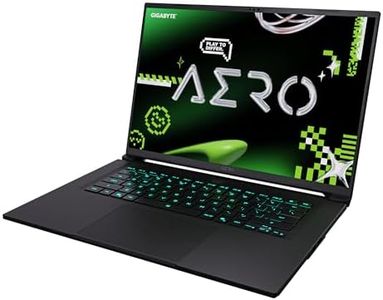
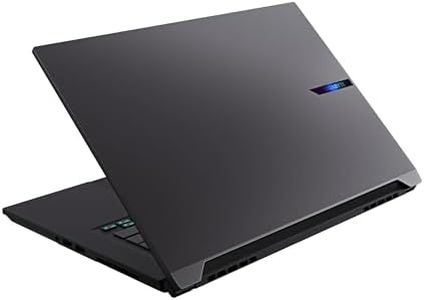
Gigabyte AERO X16 Gaming Laptop - Copilot+ PC, 16", 165Hz WQXGA, Ryzen AI 7 350, RTX 5060, 16GB DDR5 5200MHz, 1TB Gen4 SSD, Windows 11 Home, 2 Year Warranty, Dolby Atmos, AERO X16 1VH93UKC94AH
Graphics Card (GPU): NVIDIA GeForce RTX 5060
Processor (CPU): AMD Ryzen AI 7 350, 2-5 GHz
RAM: 16 GB DDR5, 5600 MHz
Storage: 1000 GB SSD
Display: 16", 2560x1600 WQXGA IPS, 165Hz
Battery Life: 12 Hours
Cooling System: WINDFORCE Infinity Cooling
Build Quality and Design: Slim, lightweight, 1.9 kg, backlit keyboard
Gigabyte GAMING A18 PRO Laptop - 18“, 165Hz WQXGA, Intel Core 7 240H, RTX 5070 Ti, 32GB LPDDR5x 5600MHz, 1TB Gen4 SSD, Windows 11 Home, 2 Year Warranty, Dolby Atmos, GAMING A18 PRO DXJG3UKBC4SH
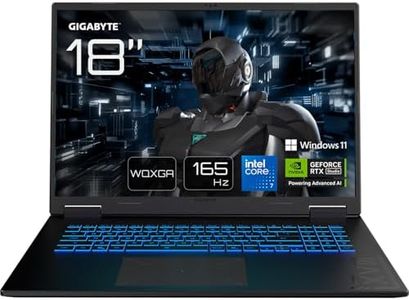
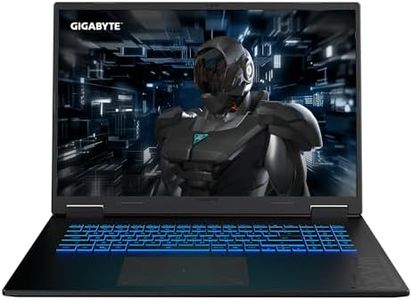
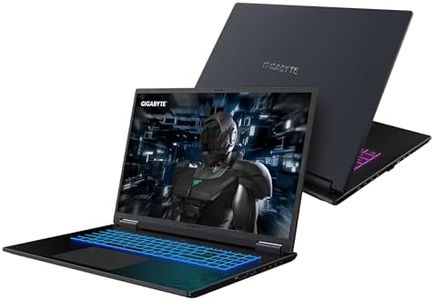
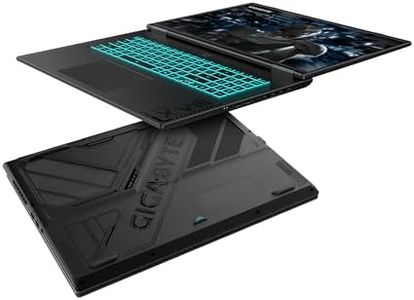
Gigabyte GAMING A18 PRO Laptop - 18“, 165Hz WQXGA, Intel Core 7 240H, RTX 5070 Ti, 32GB LPDDR5x 5600MHz, 1TB Gen4 SSD, Windows 11 Home, 2 Year Warranty, Dolby Atmos, GAMING A18 PRO DXJG3UKBC4SH
Graphics Card (GPU): NVIDIA GeForce RTX 5070 Ti
Processor (CPU): Intel Core i7-240H, 2.5 GHz, 10 cores
RAM: 32 GB LPDDR5x, 5600 MHz
Storage: 1000 GB SSD Gen4
Display: 18 inch IPS WQXGA, 165Hz, 300 nits
Battery Life: Up to 12 hours
Cooling System: WINDFORCE Infinity EX
Build Quality and Design: Slim 20mm chassis, 180-degree hinge
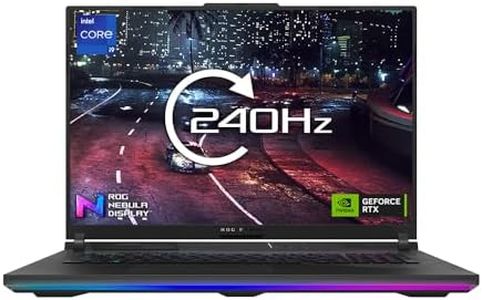
ASUS ROG Strix G16 G615LP Gaming Laptop | 16.0" 240Hz Screen | Intel Core Ultra 9 275HX | NVIDIA GeForce RTX 5070 | 32GB RAM | 1TB PCIe SSD | RGB Backlit Keyboard | 3 Month Xbox Gamepass | Windows 11
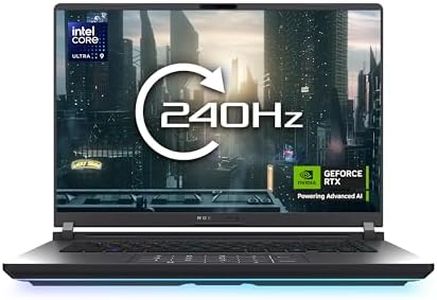
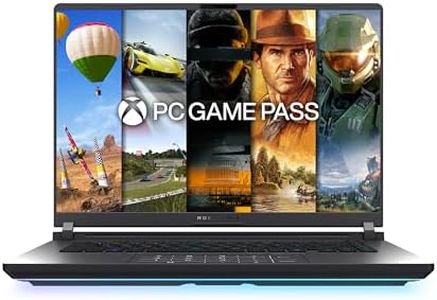
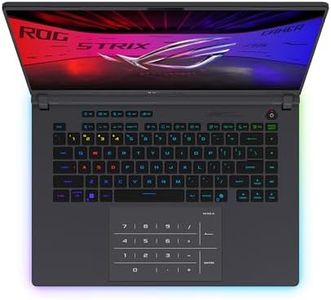
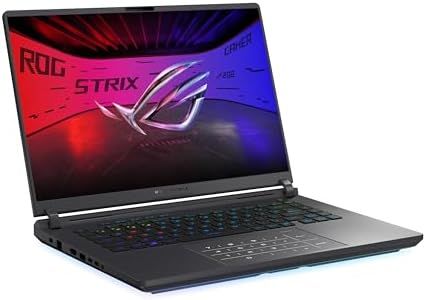
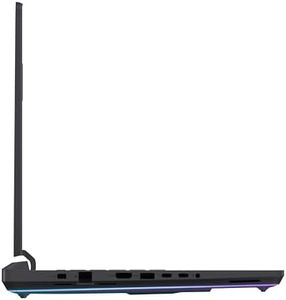
ASUS ROG Strix G16 G615LP Gaming Laptop | 16.0" 240Hz Screen | Intel Core Ultra 9 275HX | NVIDIA GeForce RTX 5070 | 32GB RAM | 1TB PCIe SSD | RGB Backlit Keyboard | 3 Month Xbox Gamepass | Windows 11
Graphics Card (GPU): NVIDIA GeForce RTX 5070, 8GB GDDR6
Processor (CPU): Intel Core Ultra 9 275HX, 24 cores
RAM: 32 GB DDR5
Storage: 1 TB PCIe SSD
Display: 16" OLED, 2560x1600, 240Hz
Battery Life: 90 Watt Hours
Cooling System: Good cooling system
Build Quality and Design: Solid build, sleek grey, RGB keyboard
Acer Predator Helios Neo 18 AI PHN18-72 Gaming Laptop - Intel Core Ultra 9 275HX, 16GB, 1TB Gen4 SSD, NVIDIA GeForce RTX 5070Ti, 18" WQXGA 240Hz, Windows 11, Black
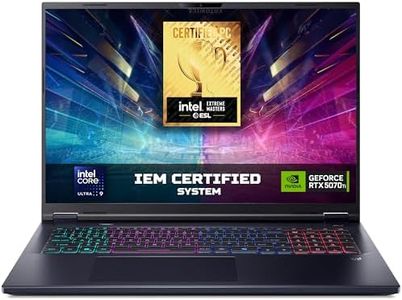


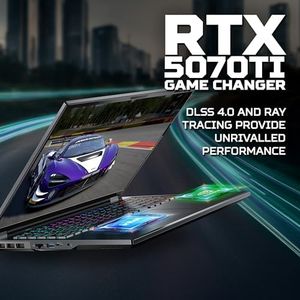
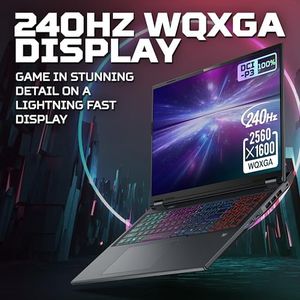
Acer Predator Helios Neo 18 AI PHN18-72 Gaming Laptop - Intel Core Ultra 9 275HX, 16GB, 1TB Gen4 SSD, NVIDIA GeForce RTX 5070Ti, 18" WQXGA 240Hz, Windows 11, Black
Graphics Card (GPU): NVIDIA GeForce RTX 5070Ti
Processor (CPU): Intel Core Ultra 9 275HX 5.4GHz
RAM: 16 GB DDR5
Storage: 1TB Gen4 SSD
Display: 18-inch WQXGA 2560x1600 240Hz LCD
Battery Life: 90Wh
Cooling System: Metal fans and liquid metal grease
Build Quality and Design: Sturdy, stylish black, backlit keyboard
Related Products
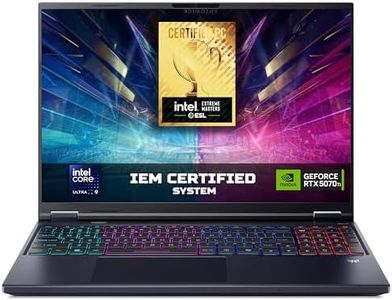
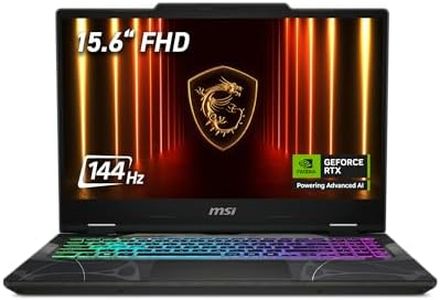
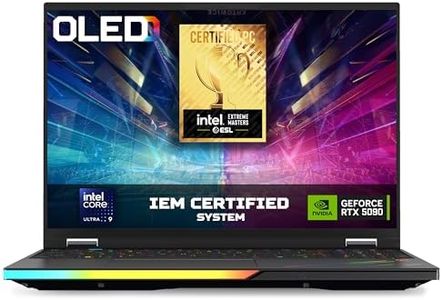
ASUS TUF Gaming A16 FA607NUQ Gaming Laptop | 15.6" Full HD 144Hz Screen | AMD Ryzen 7 170 | NVIDIA GeForce RTX 4050 | 16GB RAM | 512GB SSD | UK layout single-backlit keyboard | Windows 11
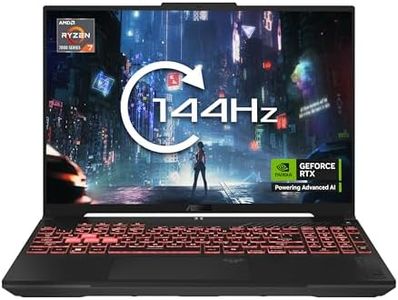
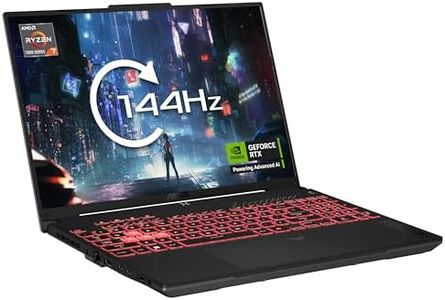
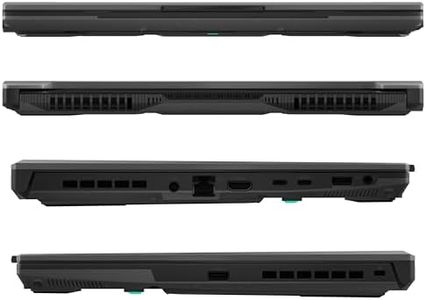
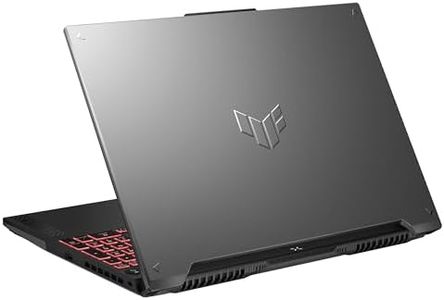
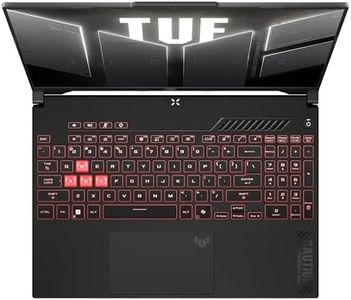
ASUS TUF Gaming A16 FA607NUQ Gaming Laptop | 15.6" Full HD 144Hz Screen | AMD Ryzen 7 170 | NVIDIA GeForce RTX 4050 | 16GB RAM | 512GB SSD | UK layout single-backlit keyboard | Windows 11
Graphics Card (GPU): NVIDIA GeForce RTX 4050, 6GB DDR5
Processor (CPU): AMD Ryzen 7 170, 8 cores, 4.75GHz
RAM: 16GB DDR5
Storage: 512GB SSD
Display: 16-inch, 1920x1080, 144Hz, LED
Battery Life: 90Wh
Cooling System: Dual Arc Flow Fans
Build Quality and Design: Rugged, shock, vibration, temperature tested
Acer Predator Helios Neo 14 AI PHN14-71 Gaming Laptop - Intel Core Ultra 7 255H, 32GB, 1TB Gen4 SSD, NVIDIA GeForce RTX 5070, 14.5" 2.8K OLED 120Hz, Windows 11, Black
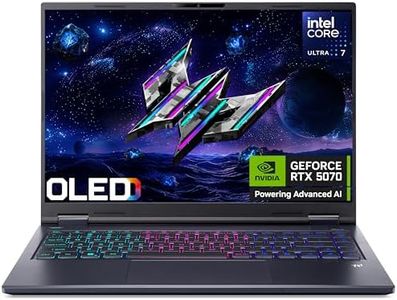
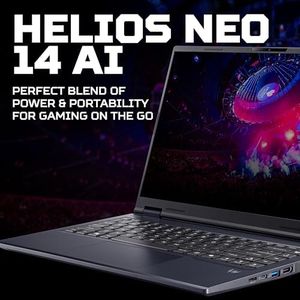


Acer Predator Helios Neo 14 AI PHN14-71 Gaming Laptop - Intel Core Ultra 7 255H, 32GB, 1TB Gen4 SSD, NVIDIA GeForce RTX 5070, 14.5" 2.8K OLED 120Hz, Windows 11, Black
Graphics Card (GPU): NVIDIA GeForce RTX 5070
Processor (CPU): Intel Core Ultra 7 255H, 16 cores
RAM: 32 GB DDR5
Storage: 1 TB Gen4 SSD
Display: 14.5-inch OLED, 2880x1800, 120Hz
Battery Life: 76 Watt Hours
Cooling System: Liquid metal grease, advanced airflow
Build Quality and Design: Slim, 1.9 kg, Black color
Alienware 16 Area-51 Gaming Laptop AA16250-16 WQXGA 240Hz Display, Intel Core Ultra 9-275HX, 32GB DDR5 RAM, 1TB SSD, NVIDIA GeForce RTX 5070Ti, Windows 11 Home, Onsite Service - Liquid Teal
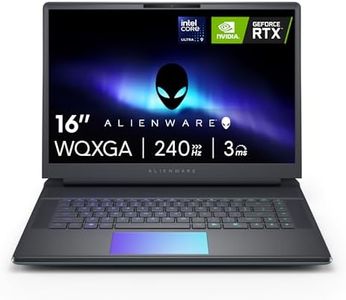


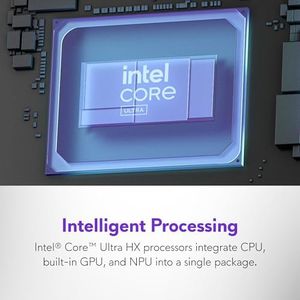
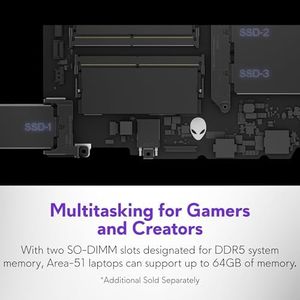
Alienware 16 Area-51 Gaming Laptop AA16250-16 WQXGA 240Hz Display, Intel Core Ultra 9-275HX, 32GB DDR5 RAM, 1TB SSD, NVIDIA GeForce RTX 5070Ti, Windows 11 Home, Onsite Service - Liquid Teal
Graphics Card (GPU): NVIDIA RTX 5070 Ti, 12 GB GDDR7
Processor (CPU): Intel Core Ultra 9-275HX, 24 cores
RAM: 32 GB DDR5, 6400 MHz
Storage: 1 TB SSD
Display: 16", 2560x1600, LED, 240Hz
Battery Life: 96 Watt Hours
Cooling System: Cryo-Chamber cooling
Build Quality and Design: Solid build, Liquid Teal, AlienFX lighting
ASUS ROG Strix 16 G614PH Gaming Laptop | 16.0" WUXGA 165Hz Screen | AMD Ryzen 9-8940HX | NVIDIA GeForce RTX 5050 | 16GB RAM | 1TB SSD | 4-Zone Backlit Keyboard | 3 Month Xbox Game Pass | Windows 11
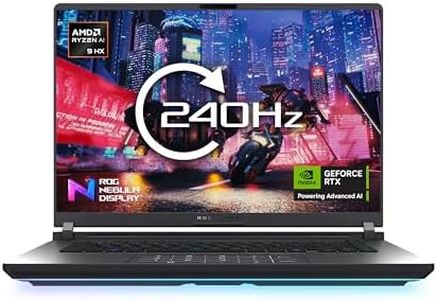

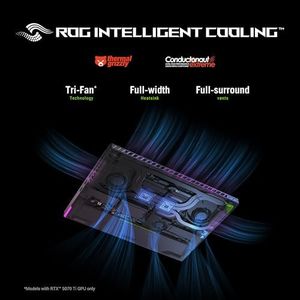
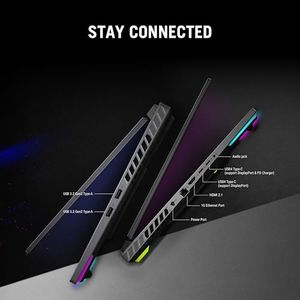
ASUS ROG Strix 16 G614PH Gaming Laptop | 16.0" WUXGA 165Hz Screen | AMD Ryzen 9-8940HX | NVIDIA GeForce RTX 5050 | 16GB RAM | 1TB SSD | 4-Zone Backlit Keyboard | 3 Month Xbox Game Pass | Windows 11
Graphics Card (GPU): NVIDIA RTX 5050, 8 GB GDDR6
Processor (CPU): AMD Ryzen 9-8940HX
RAM: 16 GB DDR5, 5600 MHz
Storage: 1 TB PCIe 4.0 SSD
Display: 16-inch WUXGA OLED, 165Hz
Battery Life: 90 Wh lithium-ion
Build Quality and Design: 4-zone backlit keyboard, 2.5 kg
#10
Acer Predator Helios 18 AI PH18-73 Gaming Laptop - Intel Core Ultra 9 275HX, 64GB, 1TB Gen5 SSD, NVIDIA GeForce RTX 5090, 18" WQUXGA Mini LED, Windows 11, Black



Acer Predator Helios 18 AI PH18-73 Gaming Laptop - Intel Core Ultra 9 275HX, 64GB, 1TB Gen5 SSD, NVIDIA GeForce RTX 5090, 18" WQUXGA Mini LED, Windows 11, Black
Graphics Card (GPU): NVIDIA GeForce RTX 5090, 24 GB
Processor (CPU): Intel Core Ultra 9 275HX, 24 cores
RAM: 64 GB DDR5
Storage: 1 TB PCIe Gen5 SSD
Display: 18-inch Mini LED, 3840x2400 @ 240Hz
Battery Life: 99.8 Watt Hours
Cooling System: AeroBlade 3D fans, liquid metal
Build Quality and Design: Backlit keyboard, mechanical WASD keys
Recommended lists

Top rated
Gaming Laptops
Buying Guide for the Best Gaming Laptop
Choosing the right gaming laptop can be a daunting task, but with the right approach, you can find a model that fits your needs perfectly. The key is to understand the specifications that matter most for gaming and how they impact your overall experience. By focusing on these specs, you can ensure that your laptop will deliver the performance you need for your favorite games.Graphics Card (GPU)The graphics card, or GPU, is crucial for gaming as it handles all the visual rendering. A powerful GPU ensures smooth gameplay and high-quality graphics. GPUs are typically divided into entry-level, mid-range, and high-end. Entry-level GPUs are suitable for casual gaming and older titles, mid-range GPUs can handle most modern games at medium to high settings, and high-end GPUs are designed for the latest games at the highest settings. Choose a GPU based on the types of games you play and the visual quality you desire.
Processor (CPU)The processor, or CPU, is the brain of your laptop and affects overall performance, including game loading times and multitasking capabilities. CPUs are categorized by their number of cores and clock speed. More cores and higher clock speeds generally mean better performance. For gaming, a quad-core or higher CPU with a clock speed of at least 2.5 GHz is recommended. If you plan to stream or run other applications while gaming, opt for a more powerful CPU.
RAMRAM, or memory, is important for smooth gameplay and multitasking. It temporarily stores data that your CPU needs to access quickly. Gaming laptops typically come with 8GB, 16GB, or 32GB of RAM. 8GB is the minimum for gaming, 16GB is ideal for most gamers, and 32GB is for those who run multiple applications simultaneously or play very demanding games. Consider your gaming habits and whether you use other software while gaming to determine the right amount of RAM.
StorageStorage affects how much data you can keep on your laptop and how quickly your system can access it. There are two main types: Hard Disk Drives (HDD) and Solid State Drives (SSD). SSDs are faster and more reliable but more expensive, while HDDs offer more storage space at a lower cost. For gaming, an SSD is recommended for faster load times and better performance. A combination of SSD for your operating system and games, and HDD for additional storage, is a good balance.
DisplayThe display is important for visual quality and immersion. Key factors include resolution, refresh rate, and size. Higher resolution (like 1080p, 1440p, or 4K) provides better image quality. Refresh rate, measured in Hz, affects how smoothly motion appears; 60Hz is standard, but 120Hz or higher is better for fast-paced games. Display size is a personal preference, with larger screens offering more immersive experiences. Consider the types of games you play and your preference for visual quality when choosing a display.
Battery LifeBattery life is important if you plan to game on the go. Gaming laptops typically have shorter battery life due to their powerful components. Look for laptops with at least 4-6 hours of battery life for moderate gaming. If you primarily game at home, battery life may be less critical, but if you travel or game in different locations, a longer battery life can be beneficial.
Cooling SystemA good cooling system is essential to prevent overheating during long gaming sessions. Overheating can reduce performance and damage components. Look for laptops with efficient cooling solutions, such as multiple fans and heat pipes. Some models offer advanced cooling technologies like liquid cooling. If you plan to game for extended periods or play demanding games, prioritize laptops with robust cooling systems.
Build Quality and DesignBuild quality and design affect durability and comfort. Gaming laptops often have sturdy builds to withstand heavy use. Consider the keyboard and trackpad quality, as well as overall ergonomics. Some models offer customizable RGB lighting and sleek designs. Choose a laptop that feels comfortable and suits your aesthetic preferences, especially if you plan to use it frequently.