10 Best Fish Fillet Knives
From leading brands and best sellers available on the web.By clicking on a link to a third party's website, log data is shared with that third party.
Top 10 Best Fish Fillet Knives 2026 in the UK
#1
Winner
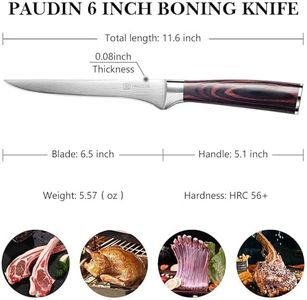
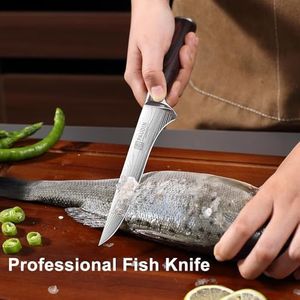
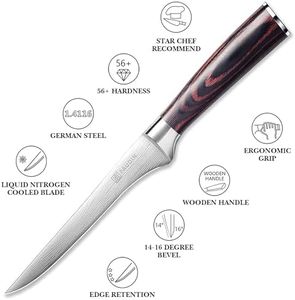
PAUDIN Filleting Knife, Sharp Boning Knife 6 Inch, German High Carbon Stainless Steel Blade Fish Knife with Comfortable Wooden Handle, Kitchen Knife for Home and Restaurant with Gift Box
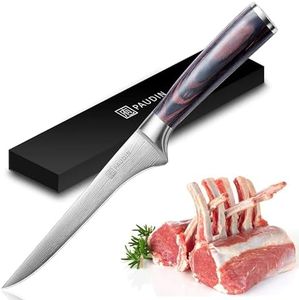

PAUDIN Filleting Knife, Sharp Boning Knife 6 Inch, German High Carbon Stainless Steel Blade Fish Knife with Comfortable Wooden Handle, Kitchen Knife for Home and Restaurant with Gift Box
Blade Material: German high-carbon stainless steel
Blade Length: 6-inch
Blade Flexibility: flexible
Handle Material: Pakkawood
Handle Design: ergonomic
Tang: full tang
Chosen by 1416 this week
SHAN ZU Filleting Knife in Powder Steel, Japanese Kitchen Boning Knife 18cm Professional High Carbon Fish Fillet Knife, Ultra Sharp Fish Knife Cooking Knives with Ergonomic Full Tang Pakkawood Handle
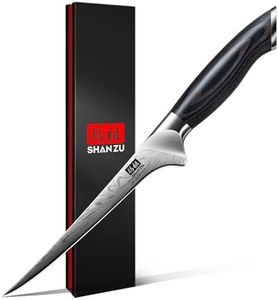
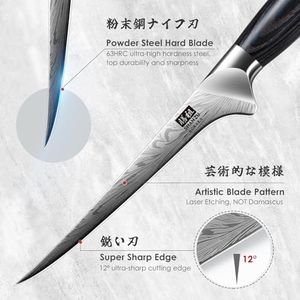
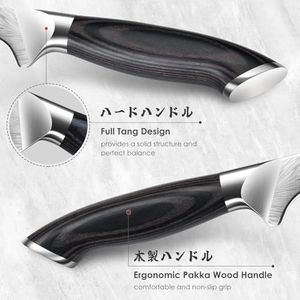
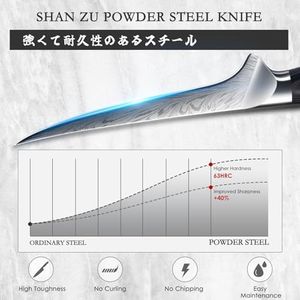
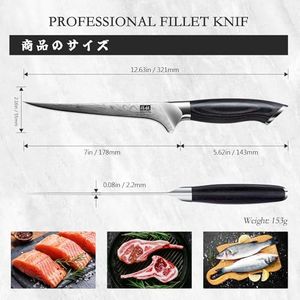
SHAN ZU Filleting Knife in Powder Steel, Japanese Kitchen Boning Knife 18cm Professional High Carbon Fish Fillet Knife, Ultra Sharp Fish Knife Cooking Knives with Ergonomic Full Tang Pakkawood Handle
Blade Material: Japanese High Carbon Steel
Blade Length: 18cm
Handle Material: Pakkawood
Handle Design: Ergonomic
Tang: Full tang
SHAN ZU Japanese Filleting Knife 7 inch- Edge Deboning Fish and Meat Kitchen Knives Professional Fish Knife Made of Super Sharp German Stainless Steel Boning Knife
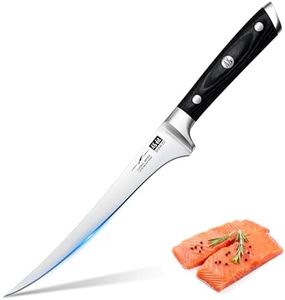
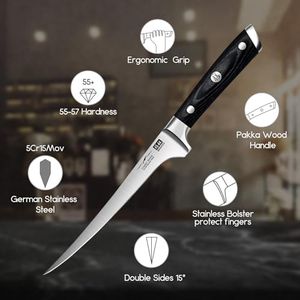
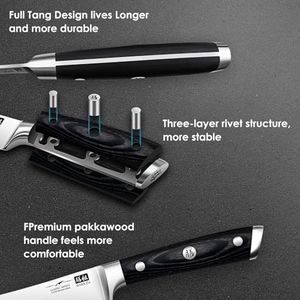
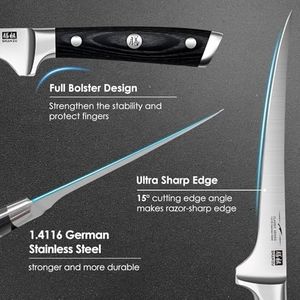
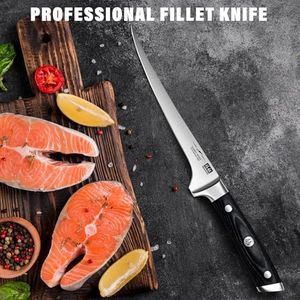
SHAN ZU Japanese Filleting Knife 7 inch- Edge Deboning Fish and Meat Kitchen Knives Professional Fish Knife Made of Super Sharp German Stainless Steel Boning Knife
Blade Material: German stainless steel
Blade Length: 7 inches
Blade Flexibility: Flexible
Handle Material: Pakkawood
Handle Design: Ergonomic
Mercer Culinary 7-Inch Fillet Knife, Stainless Steel, 25x10x3 cm, Black
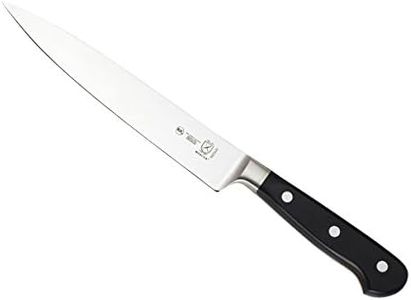
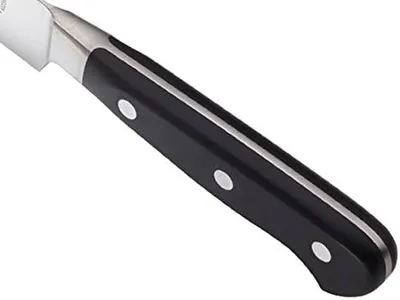


Mercer Culinary 7-Inch Fillet Knife, Stainless Steel, 25x10x3 cm, Black
Blade Material: high-carbon German stainless steel
Blade Length: 7-inch
Blade Flexibility: flexible
Handle Material: alloy steel
Handle Design: triple-riveted, rounded spine
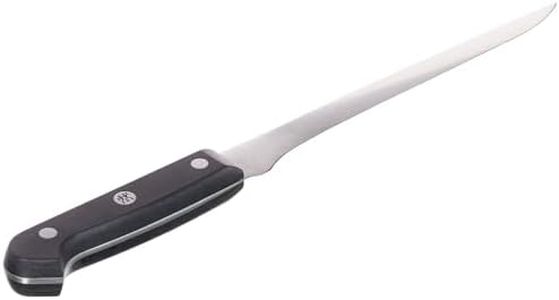
Wüsthof Classic 7 Inch Fillet Knife, Black, Silver



Wüsthof Classic 7 Inch Fillet Knife, Black, Silver
Blade Material: High Carbon Stainless Steel
Blade Length: 7 Inch
Blade Flexibility: Thin, flexible
Handle Material: Stainless Steel
Handle Design: Classic with finger guard, full bolster
Tang: Full tang
Related Products




Mercer Culinary M23860 , Stainless Steel, Black, 8.5-Inch Narrow Fillet Knife
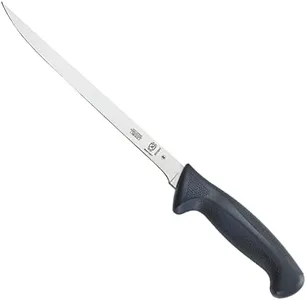


Mercer Culinary M23860 , Stainless Steel, Black, 8.5-Inch Narrow Fillet Knife
Blade Material: High-carbon Japanese stainless steel
Blade Length: 8.5 Inches
Handle Material: Polypropylene
Handle Design: Ergonomic shape, textured finger points
Tang: Full tang
Wüsthof Classic Ikon 7 Inch Fillet Knife, Black

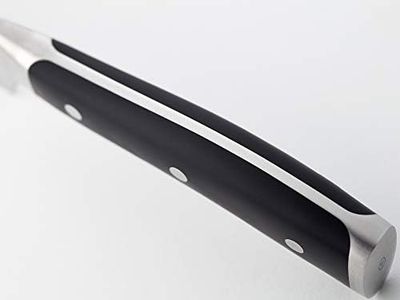
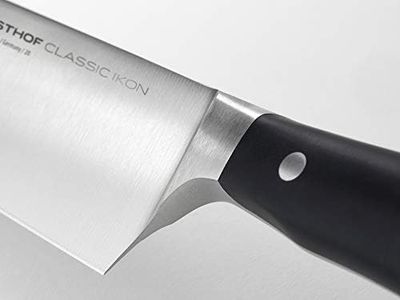
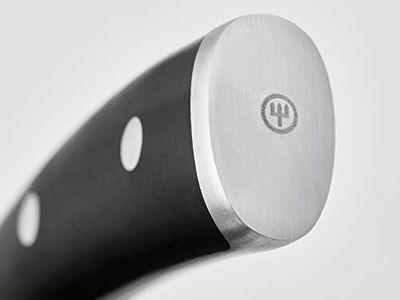

Wüsthof Classic Ikon 7 Inch Fillet Knife, Black
Blade Material: high carbon stainless steel
Blade Length: 7 inch
Blade Flexibility: flexible
Handle Material: stainless steel
Handle Design: black handle with double bolster
Tang: full tang
Mercer Culinary Genesis 7-Inch Fillet Knife – Flexible, Stainless Steel, Black
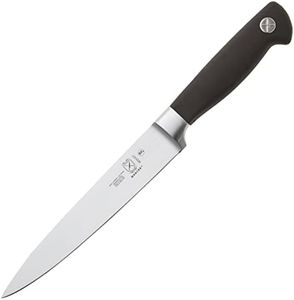


Mercer Culinary Genesis 7-Inch Fillet Knife – Flexible, Stainless Steel, Black
Blade Material: high-carbon German stainless steel
Blade Length: 7 inches
Blade Flexibility: flexible
Handle Material: Santoprene
Handle Design: ergonomic
Global Knives G-18 Filleting Knife with 24cm Blade, CROMOVA 18 Stainless Steel
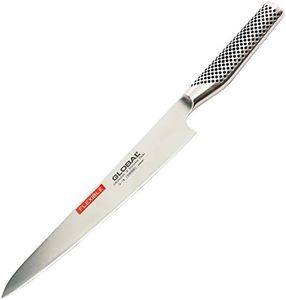
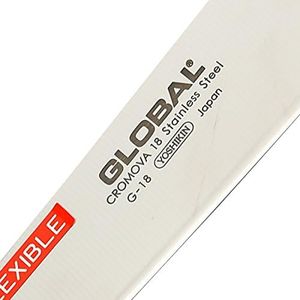
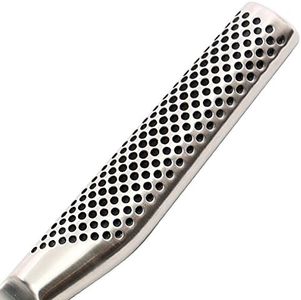
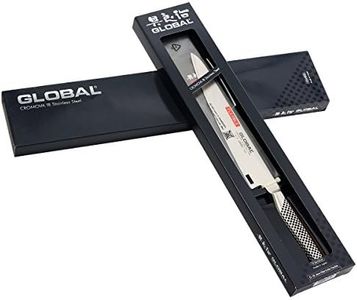
Global Knives G-18 Filleting Knife with 24cm Blade, CROMOVA 18 Stainless Steel
Blade Material: CROMOVA 18 stainless steel
Blade Length: 24 cm
Blade Flexibility: flexible
Handle Material: hollow stainless steel
Handle Design: slim, sand-weighted, hollow
#10

Recommended lists

Top rated
Fillet Knives
Buying Guide for the Best Fish Fillet Knives
Choosing the right fish fillet knife is essential for anyone who enjoys preparing fish. A good fillet knife will make the process of cleaning and filleting fish much easier and more efficient. When selecting a fish fillet knife, there are several key specifications to consider. Understanding these specifications will help you choose the best knife for your needs.Blade MaterialThe blade material is crucial because it affects the knife's sharpness, durability, and resistance to corrosion. Common materials include stainless steel, high-carbon steel, and ceramic. Stainless steel is popular for its rust resistance and ease of maintenance, making it suitable for most users. High-carbon steel is known for its sharpness and edge retention but requires more care to prevent rust. Ceramic blades are extremely sharp and rust-proof but can be brittle and prone to chipping. Choose a material based on your maintenance preference and how often you use the knife.
Blade LengthBlade length determines how well the knife can handle different sizes of fish. Fillet knives typically range from 6 to 12 inches. Shorter blades (6-7 inches) are ideal for smaller fish like trout or perch, offering better control and precision. Medium blades (8-9 inches) are versatile and can handle a variety of fish sizes, making them a good all-around choice. Longer blades (10-12 inches) are best for larger fish like salmon or tuna, providing the reach needed to make clean cuts. Consider the types of fish you usually prepare to determine the appropriate blade length.
Blade FlexibilityBlade flexibility is important for making precise cuts and following the contours of the fish. Flexible blades are better for delicate fish and intricate filleting, allowing for more control and less waste. Stiffer blades are more durable and better suited for larger, tougher fish. If you frequently fillet a variety of fish, a moderately flexible blade offers a good balance. Think about the fish you typically work with and choose a blade flexibility that matches your needs.
Handle MaterialThe handle material affects the knife's comfort, grip, and durability. Common handle materials include wood, plastic, and rubber. Wood handles offer a traditional look and feel but may require more maintenance to prevent damage from moisture. Plastic handles are durable and easy to clean, making them a practical choice for many users. Rubber handles provide excellent grip, especially when wet, which can enhance safety and control. Consider how the handle feels in your hand and how much maintenance you are willing to perform.
Handle DesignHandle design impacts the comfort and control you have while using the knife. Ergonomic handles are designed to fit comfortably in your hand, reducing fatigue during extended use. Non-slip handles are essential for maintaining a secure grip, especially when working with wet or slimy fish. Some handles also feature finger guards for added safety. Choose a handle design that feels comfortable and secure in your hand, and consider any additional features that might enhance your filleting experience.
TangThe tang refers to the portion of the blade that extends into the handle. A full tang, where the blade extends the entire length of the handle, provides better balance and durability. Partial tangs are lighter and may be sufficient for lighter tasks but are generally less durable. For frequent or heavy-duty use, a full tang knife is recommended for its strength and stability. Consider how often and intensely you plan to use the knife to decide on the tang type.