10 Best Digital Camera For Beginners
From leading brands and best sellers available on the web.By clicking on a link to a third party's website, log data is shared with that third party.
Top 10 Best Digital Camera For Beginners 2026 in the UK
#1
Winner
Fujifilm X100VI, Black
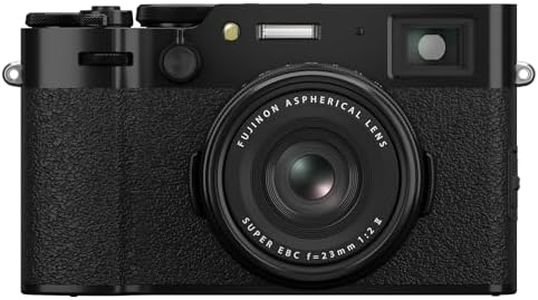
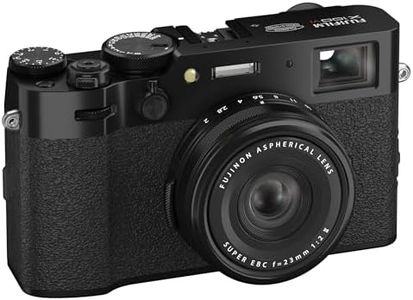
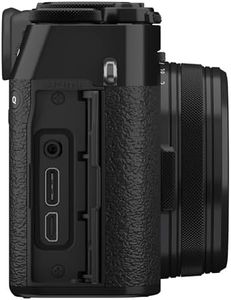
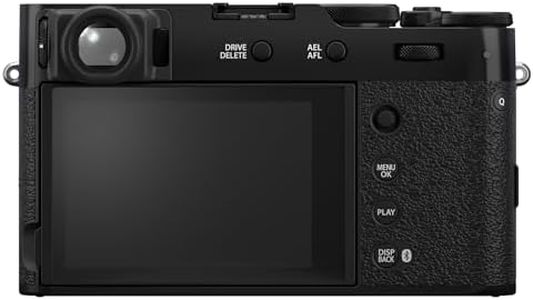

Fujifilm X100VI, Black
Megapixels: 40.2 MP
Sensor Size: APS-H
Lens Options: Fixed 23mm f/2, 1.4x & 2x
Ease of Use: intermediate
Image Stabilization: Sensor-shift, up to 6 stops
Video Capabilities: 4320p (4K) resolution
Chosen by 1270 this week
Panasonic LUMIX DC-TZ99E-K Compact Travel Zoom Camera, LEICA DC Lens, 30x Zoom, 20.3MP, 4K 30p Video, Tiltable Monitor, Wi-Fi, Bluetooth, Black
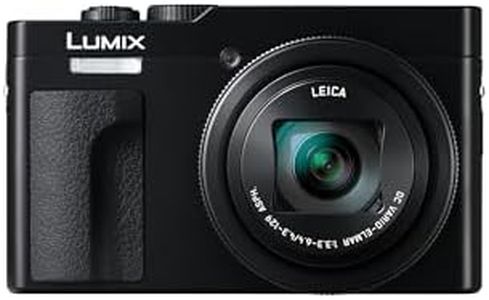
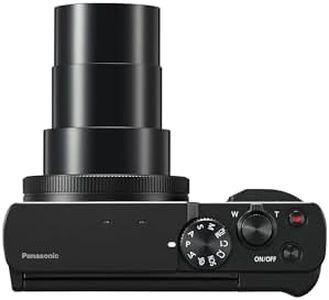
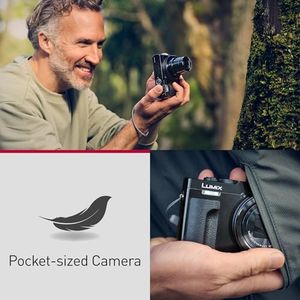
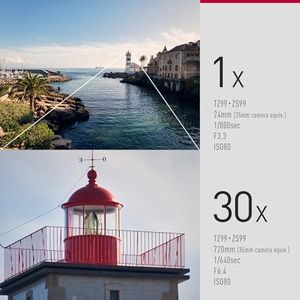
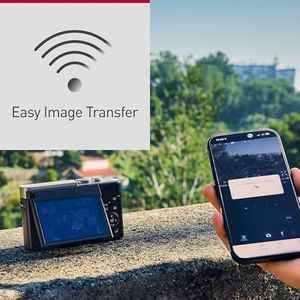
Panasonic LUMIX DC-TZ99E-K Compact Travel Zoom Camera, LEICA DC Lens, 30x Zoom, 20.3MP, 4K 30p Video, Tiltable Monitor, Wi-Fi, Bluetooth, Black
Megapixels: 20.3 MP
Sensor Size: 1/2.3 inch
Lens Options: 24-720mm LEICA 30x zoom
Ease of Use: Amateur
Image Stabilization: 5-axis Hybrid Optical Stabilization
Video Capabilities: 4K video at 30 fps
Battery Life: Typical for compact camera
Sony RX100 VII - Advanced Premium Compact Camera with 1.0-Type Sensor, 24-200 mm F2.8-4.5 Zeiss Lens, Superior AF and speed performance, 4K Movie (DSC-RX100M7)
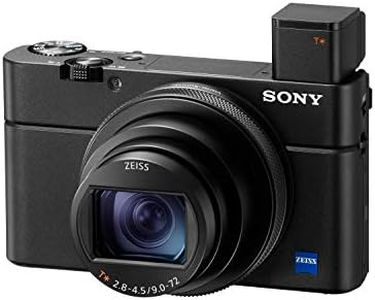
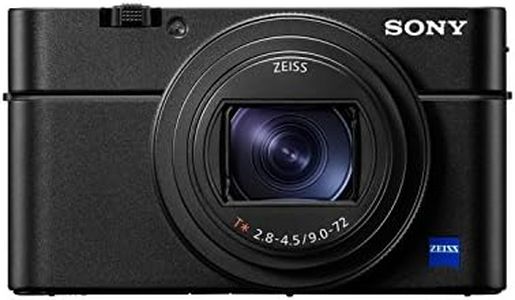
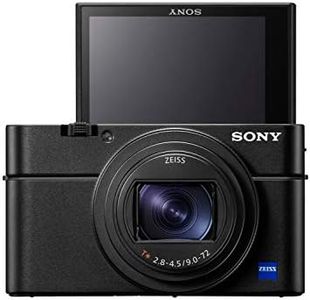
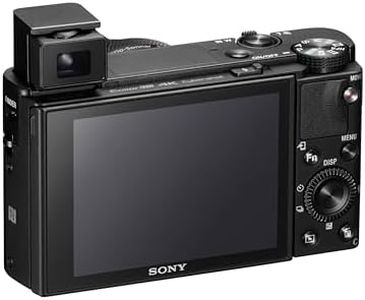
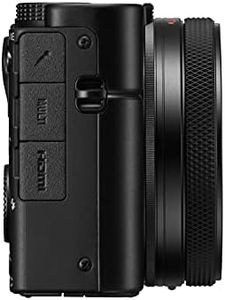
Sony RX100 VII - Advanced Premium Compact Camera with 1.0-Type Sensor, 24-200 mm F2.8-4.5 Zeiss Lens, Superior AF and speed performance, 4K Movie (DSC-RX100M7)
Megapixels: 20.1 megapixels
Sensor Size: 1 inch
Lens Options: 24-200mm F2.8-4.5 Zeiss
Image Stabilization: Digital
Video Capabilities: 4K recording, tracking autofocus
Battery Life: Decent, not exceptional
Sony Alpha 6400 APS-C Mirrorless Camera with 16-50mm Lens (24.2MP, Real-Time Eye Autofocus, 4K Video, 0.02s Fast AF, Tiltable Screen, Ideal for Vlogging, Travel and Content Creation)
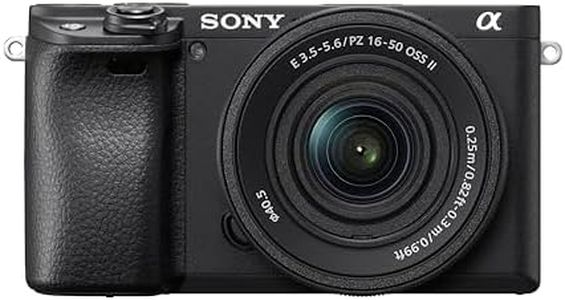
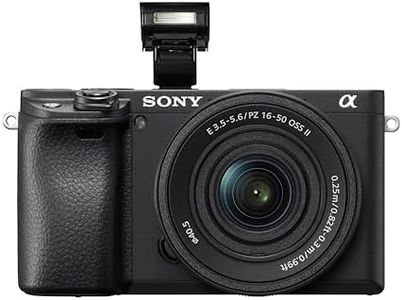
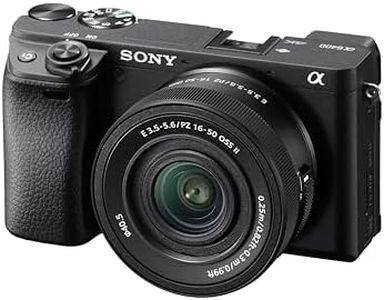
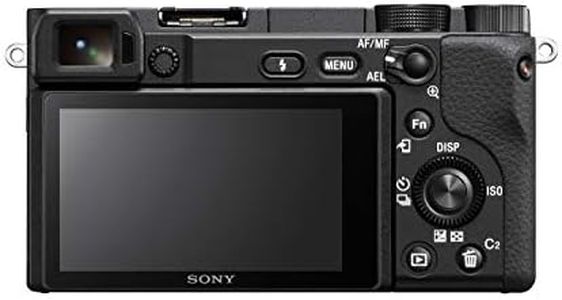
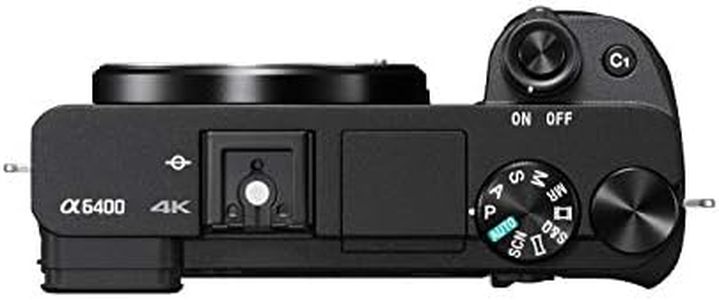
Sony Alpha 6400 APS-C Mirrorless Camera with 16-50mm Lens (24.2MP, Real-Time Eye Autofocus, 4K Video, 0.02s Fast AF, Tiltable Screen, Ideal for Vlogging, Travel and Content Creation)
Megapixels: 24.2 MP
Sensor Size: APS-C
Lens Options: 16-50mm E-Mount
Image Stabilization: Digital
Video Capabilities: 4K recording
Battery Life: Decent
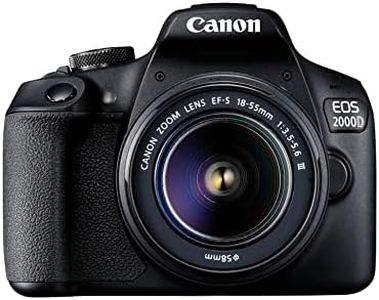
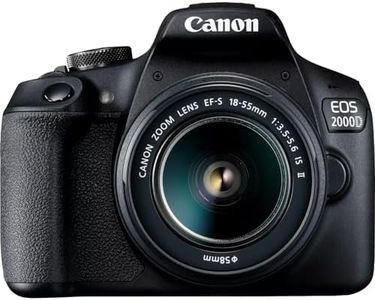
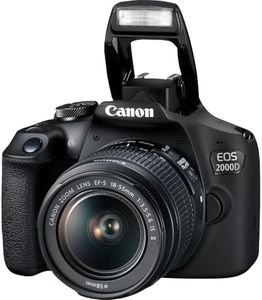
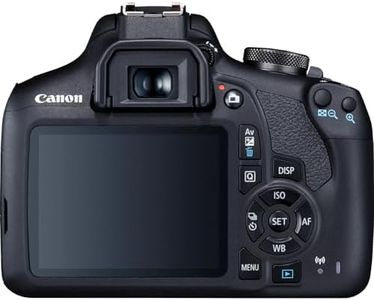
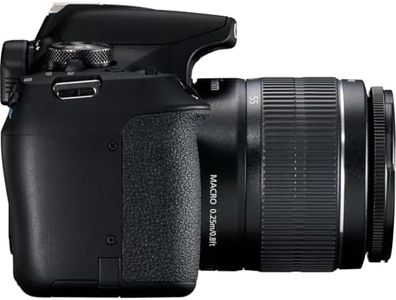
Canon EOS 2000D + EF-S 18-55mm F3.5-5.6 IS II Lens + Spare Battery - Easy-to-use DSLR Camera with a Versatile Lens and a Spare Battery, Ideal for Portraits and Landscape - Amazon Exclusive
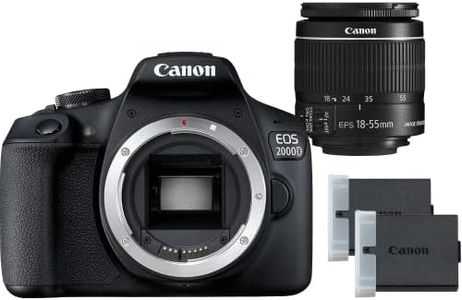
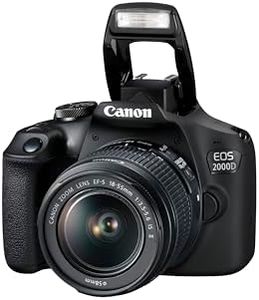
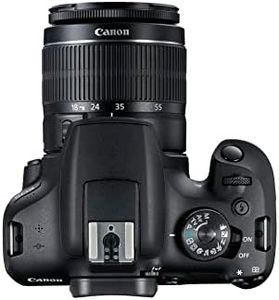


Canon EOS 2000D + EF-S 18-55mm F3.5-5.6 IS II Lens + Spare Battery - Easy-to-use DSLR Camera with a Versatile Lens and a Spare Battery, Ideal for Portraits and Landscape - Amazon Exclusive
Megapixels: 24.1 MP
Sensor Size: APS-C
Lens Options: EF-S 18-55mm f/3.5-5.6 IS II
Ease of Use: Guided Creative Auto, Scene Intelligent Auto
Image Stabilization: Optical
Video Capabilities: Full HD 1080p
Battery Life: Two LP-E10 batteries included
Related Products
Up to 26% off
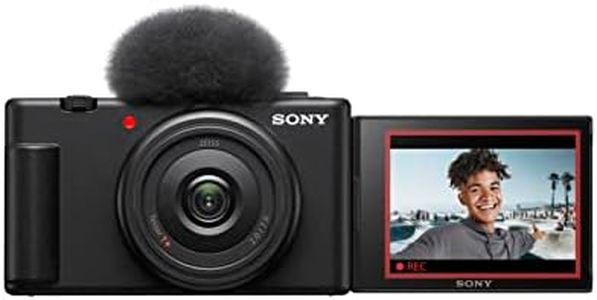
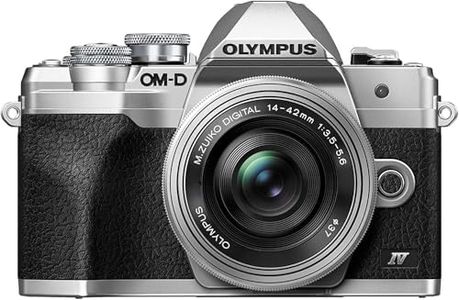
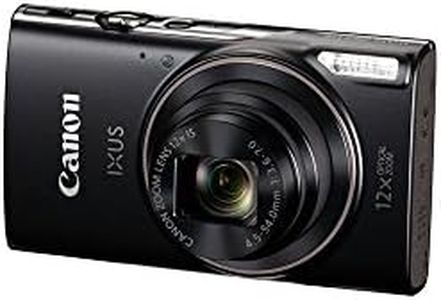
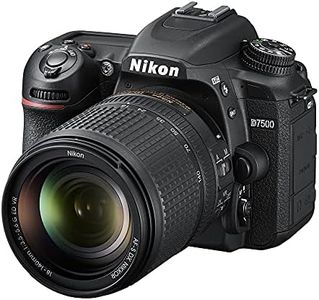
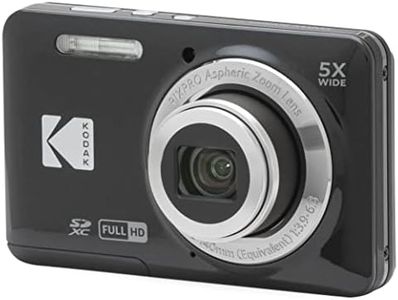
NIkon COOLPIX P1100 Superzoom Digital Camera | 125x Optical Zoom with Image Stabilization 16 MP 4K Ultra HD Video Wi-Fi Connectivity RAW Format and Rotating LCD Screen (Black)
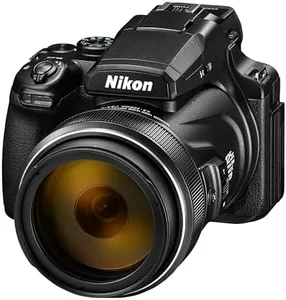
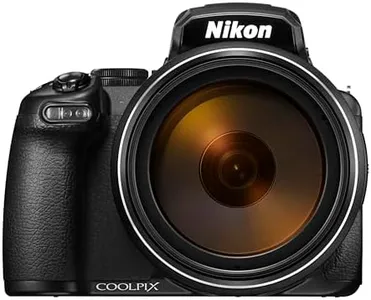
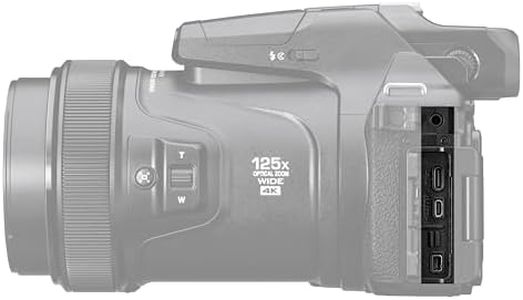


NIkon COOLPIX P1100 Superzoom Digital Camera | 125x Optical Zoom with Image Stabilization 16 MP 4K Ultra HD Video Wi-Fi Connectivity RAW Format and Rotating LCD Screen (Black)
Megapixels: 16 MP
Sensor Size: 1/2.3-inch
Lens Options: Telephoto, 125x zoom, 24-3000mm
Ease of Use: Beginner, auto modes, bird mode, ring
Image Stabilization: Dual Detect Optical VR
Video Capabilities: 4K UHD, slow-mo, time-lapse, MP4
Battery Life: Typical for this class



#10

Recommended lists


Buying Guide for the Best Digital Camera For Beginners
Choosing a digital camera as a beginner can be an exciting journey into the world of photography. The key is to find a camera that balances ease of use with the ability to grow your skills. Start by considering what you want to photograph most often, whether it's landscapes, portraits, or action shots. This will help guide your choice in terms of features and specifications. Remember, the best camera for you is one that feels comfortable in your hands and inspires you to take more photos.MegapixelsMegapixels refer to the resolution of the camera's sensor, determining how much detail the camera can capture. More megapixels mean you can print larger photos without losing quality, but they aren't the only factor in image quality. For beginners, a camera with 12 to 24 megapixels is usually sufficient, as it provides a good balance between image quality and file size. Consider what you plan to do with your photos; if you're mostly sharing online, you won't need as many megapixels as you would for large prints.
Sensor SizeThe sensor size is crucial because it affects the camera's ability to capture light and detail. Larger sensors generally produce better image quality, especially in low light. Common sensor sizes include Full Frame, APS-C, and Micro Four Thirds. For beginners, an APS-C sensor is a great choice as it offers a good balance of quality and affordability. If you plan to shoot in low light or want more control over depth of field, consider a camera with a larger sensor.
Lens OptionsThe lens is as important as the camera body itself, as it determines the types of photos you can take. Some cameras come with fixed lenses, while others allow you to change lenses. Interchangeable lens cameras offer more flexibility and are a good choice if you want to experiment with different types of photography. Consider what you want to photograph; for example, a zoom lens is versatile for various subjects, while a prime lens is great for portraits.
Ease of UseEase of use is essential for beginners, as it affects how quickly you can learn and enjoy photography. Look for a camera with intuitive controls and a user-friendly interface. Some cameras offer guided modes or tutorials that can help you learn as you shoot. If you're new to photography, a camera with automatic modes and the option to switch to manual settings as you gain confidence is ideal.
Image StabilizationImage stabilization helps reduce blur caused by camera shake, which is especially useful in low light or when using a zoom lens. There are two types: optical and digital. Optical stabilization is generally more effective and is found in the lens or camera body. For beginners, having image stabilization can make a noticeable difference in the sharpness of your photos, particularly if you plan to shoot handheld or in challenging lighting conditions.
Video CapabilitiesMany digital cameras also offer video recording features, which can be a bonus if you want to capture moving images. Look for cameras that offer at least Full HD (1080p) video quality. If you are interested in vlogging or creating high-quality videos, consider cameras with 4K capabilities and features like a microphone input or a flip-out screen. Think about how important video is to you and choose a camera that meets your needs in this area.
Battery LifeBattery life is an important consideration, especially if you plan to use your camera for extended periods or while traveling. Cameras with longer battery life allow you to shoot more without needing to recharge or change batteries. Check the manufacturer's specifications for the estimated number of shots per charge. If you anticipate long shooting sessions, consider a camera with good battery life or the option to use external battery packs.