10 Best Compost Bins
From leading brands and best sellers available on the web.By clicking on a link to a third party's website, log data is shared with that third party.
Top 10 Best Compost Bins 2026 in the UK
#1
Winner
GEME Smart 19L Electric Composter for Kitchen, Filter No Need to Change, True Compost, Not Dehydration Tec, Add Waste Anytime Electric Compost Bin Indoor, Bio Compost Machine Odorless Quiet
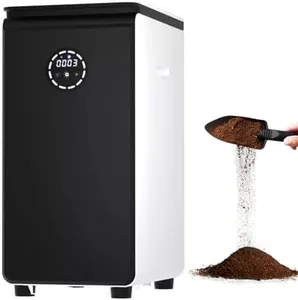
GEME Smart 19L Electric Composter for Kitchen, Filter No Need to Change, True Compost, Not Dehydration Tec, Add Waste Anytime Electric Compost Bin Indoor, Bio Compost Machine Odorless Quiet
Size: 45.5L x 32W x 66H cm
Material: No need to change filter
Design: Rectangular
Ease of Access: Add scraps anytime, no buttons
Chosen by 1496 this week
Joseph Joseph Intelligent Waste, Stack 4 Kitchen Food Waste Compost Caddy Recycling Bin with Odour Filter, 4 Litre / 1 Gallon - Stone
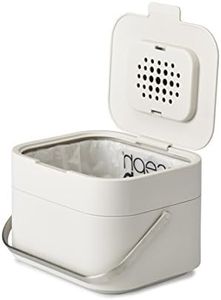
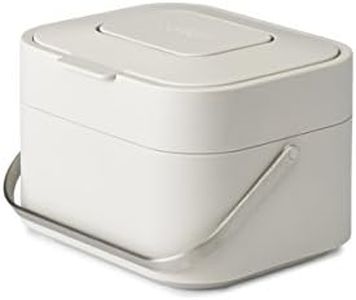
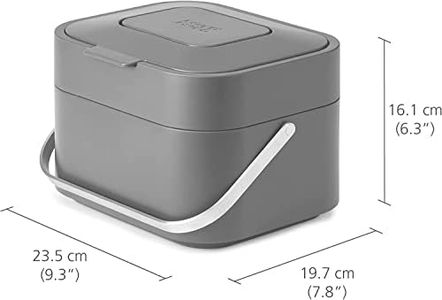
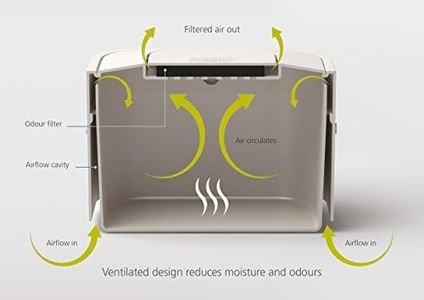
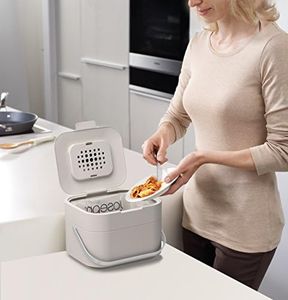
Joseph Joseph Intelligent Waste, Stack 4 Kitchen Food Waste Compost Caddy Recycling Bin with Odour Filter, 4 Litre / 1 Gallon - Stone
Size: 16.1L x 23.5W x 19.7H cm
Material: Polypropylene with stainless steel handle
Design: Flip-top lid, liner-retaining hole
Ventilation: Ventilated system with replaceable odour filter
Ease of Access: Flip-top lid
Ouaken OK-255 Electric Composter for Kitchen, 5.5L Large Smart Countertop Compost Bin, Odorless, Quiet, Easy Clean, Turn Food Waste into Fertilizer, 2026 New Indoor Food Waste Compost Machine, White
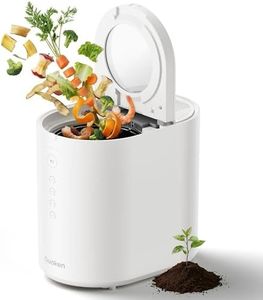
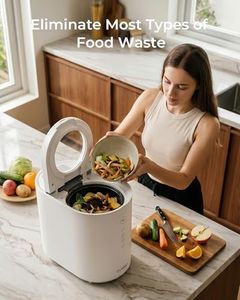
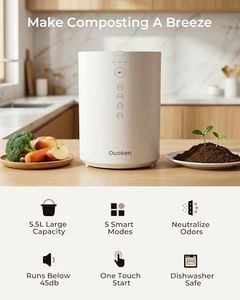
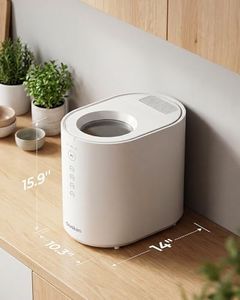
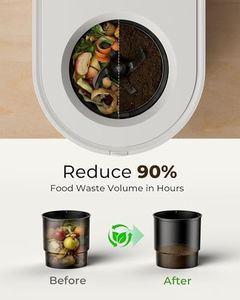
Ouaken OK-255 Electric Composter for Kitchen, 5.5L Large Smart Countertop Compost Bin, Odorless, Quiet, Easy Clean, Turn Food Waste into Fertilizer, 2026 New Indoor Food Waste Compost Machine, White
Size: 40.4L x 26.2W x 35.5H cm
Material: Aluminium
Design: Oval cylindrical, compact aluminum body
Ventilation: Activated carbon filter, airflow, moisture tray
Ease of Access: Transparent flip-top lid, detachable fan
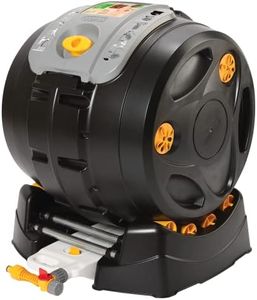
Maze 245 Litre Compost Tumbler
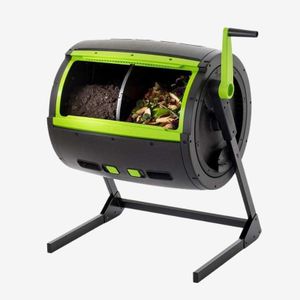
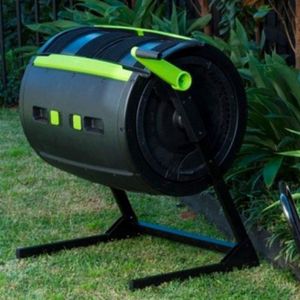
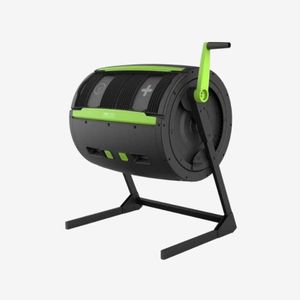
Maze 245 Litre Compost Tumbler
Size: 105L x 71W x 113H cm, 245L
Material: Powder-coated plastic, zinc reinforcement
Design: Cylindrical, double chamber
Ventilation: Good aeration, elevated airflow
Related Products
Maze 180 Litre Compost Tumbler
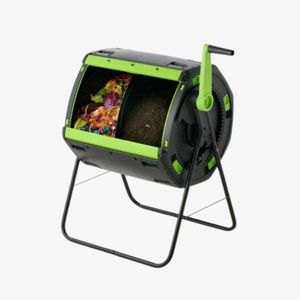
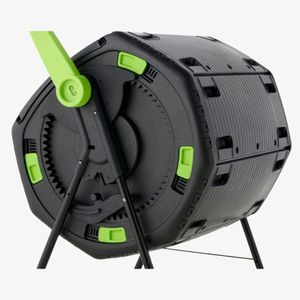
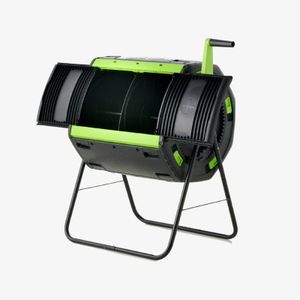
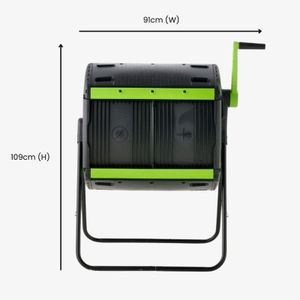
Maze 180 Litre Compost Tumbler
Size: 180 litres
Material: Plastic
Design: Cylindrical, double-chamber, elevated stand
Ventilation: Better airflow via stand and shape
Ease of Access: Easier to rotate tumbler for mixing
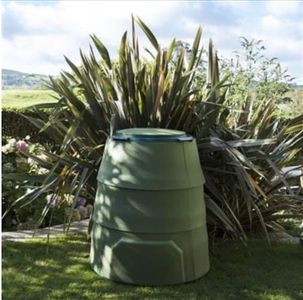
Green Johanna Food Waste Composter
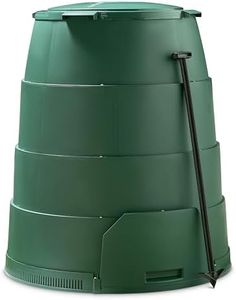
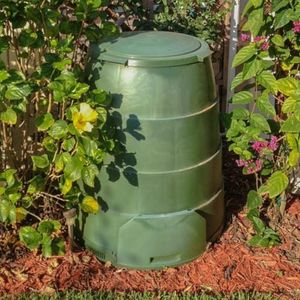
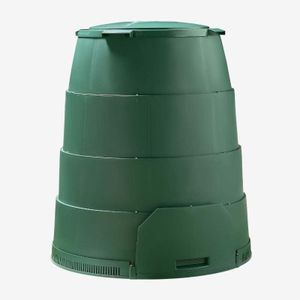
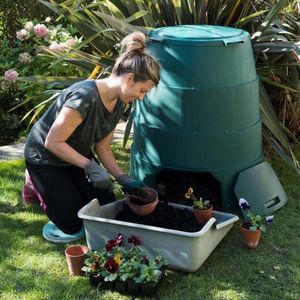
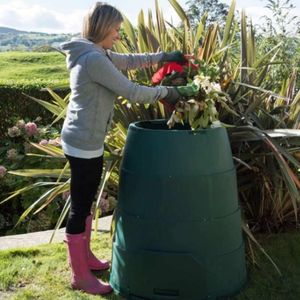
Green Johanna Food Waste Composter
Size: 80L x 80W x 93H cm
Material: Plastic
Design: Cylindrical, Conical
Ventilation: Twistable lid, airflow system
Ease of Access: Easy waste addition/removal
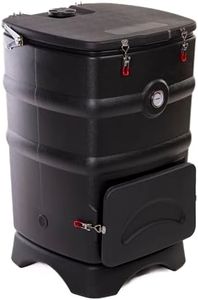
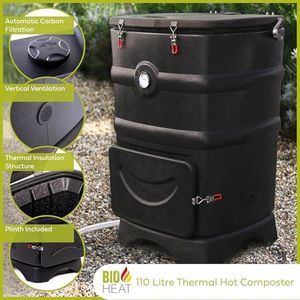
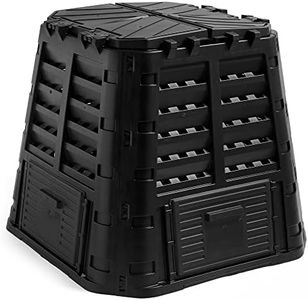
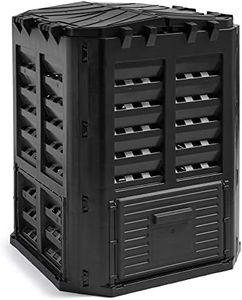
Insulated Compost Bin for Outdoor Winter Composting - All Year Round Rapid Hot Composter with Aeration System & Bottom Liquid Leachate Collector - Heavy Duty Weather-Resistant Design, Green
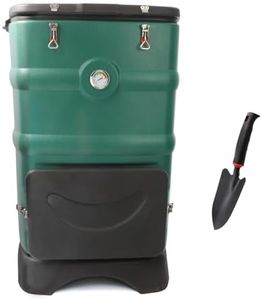
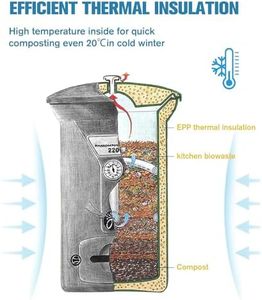
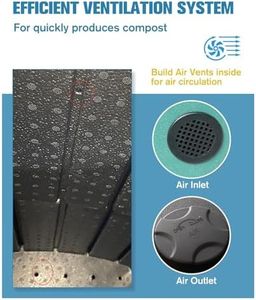
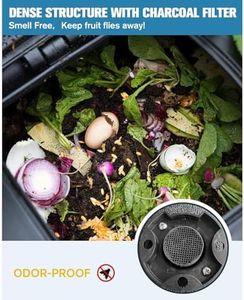
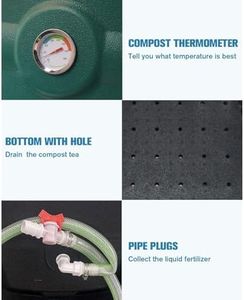
Insulated Compost Bin for Outdoor Winter Composting - All Year Round Rapid Hot Composter with Aeration System & Bottom Liquid Leachate Collector - Heavy Duty Weather-Resistant Design, Green
Size: 55 x 55 x 84 cm
Material: Plastic
Design: Cylindrical with bottom leachate reservoir
Ventilation: Smart system channels air to center
Ease of Access: Includes mixer and shovel for turning
Maze 245 Litre Tumbler & Cart Bundle
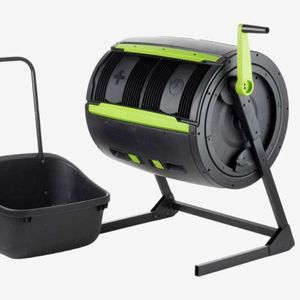
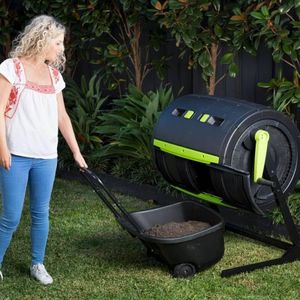
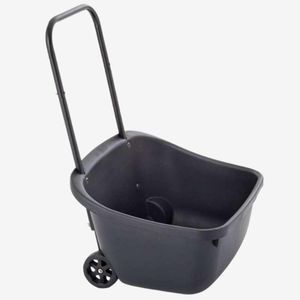
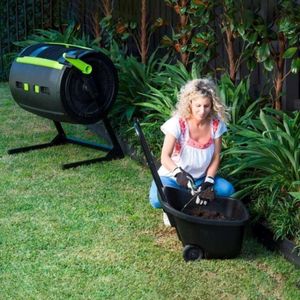
Maze 245 Litre Tumbler & Cart Bundle
Size: 245 litres
Material: Plastic with zinc coating
Design: Cylindrical with two chambers
Ventilation: Elevated base for airflow, drainage
Ease of Access: Tumbler design
#10
Recommended lists

Top rated
Kitchen Compost Bins
Buying Guide for the Best Compost Bins
Choosing the right compost bin is essential for effective composting, whether you're a beginner or an experienced gardener. Compost bins come in various shapes, sizes, and materials, each suited to different needs and environments. The right compost bin will help you manage your organic waste efficiently, turning it into nutrient-rich compost for your garden. When selecting a compost bin, consider factors such as the amount of waste you generate, the space you have available, and how quickly you want the composting process to occur.SizeThe size of a compost bin determines how much organic waste it can hold. This is important because it affects how much compost you can produce and how often you need to empty the bin. Compost bins come in various sizes, from small countertop models for kitchen scraps to large outdoor bins for garden waste. If you have a small household or limited space, a smaller bin may suffice. However, if you have a large garden or generate a lot of waste, a larger bin will be more suitable. Consider your waste production and available space when choosing the size.
MaterialCompost bins are typically made from plastic, metal, or wood. The material affects the bin's durability, appearance, and how well it retains heat. Plastic bins are lightweight, affordable, and resistant to weather, making them a popular choice for many. Metal bins are durable and can withstand harsh conditions but may be prone to rust. Wooden bins blend well with garden aesthetics and provide good insulation but require maintenance to prevent rot. Choose a material that suits your climate, aesthetic preferences, and maintenance willingness.
DesignThe design of a compost bin influences how easy it is to use and how quickly it can produce compost. Common designs include tumblers, stationary bins, and worm bins. Tumblers are easy to turn, which speeds up the composting process, making them ideal for those who want quick results. Stationary bins are simple and often larger, suitable for those who don't mind waiting longer for compost. Worm bins use worms to break down waste and are great for indoor use or small spaces. Consider how much effort you want to put into turning the compost and how quickly you need the compost ready.
VentilationVentilation is crucial in a compost bin as it allows air to circulate, which is necessary for aerobic decomposition. Good ventilation helps prevent odors and speeds up the composting process. Bins with built-in vents or aeration systems are designed to facilitate airflow. If you live in a humid area, ensure your bin has adequate ventilation to prevent the compost from becoming too wet. If you live in a dry area, you might need to monitor moisture levels more closely. Choose a bin with a ventilation system that matches your climate and composting needs.
Ease of AccessEase of access refers to how simple it is to add waste to the bin and remove finished compost. This is important for convenience and efficiency. Some bins have large openings or removable lids, making it easy to add materials and turn the compost. Others have doors or hatches at the bottom for easy removal of finished compost. If you plan to compost regularly, look for a bin that allows easy access to both add and remove materials. Consider your physical ability and how often you plan to interact with the bin when evaluating ease of access.