10 Best Colouring Pencils
From leading brands and best sellers available on the web.By clicking on a link to a third party's website, log data is shared with that third party.
Top 10 Best Colouring Pencils 2026 in the UK
#1
Winner
Derwent Chromaflow Pencils, Set of 150 in Tin, 3.5mm Round Core, Premium Core Strength, Blendable with Smooth Texture, Ideal for Drawing, Colouring & Layering, Professional Quality, 2306263
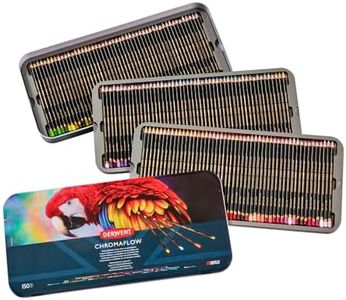

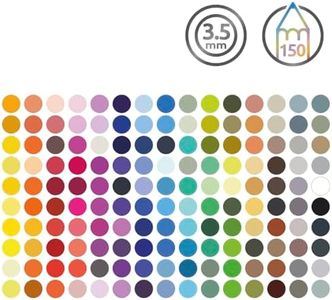
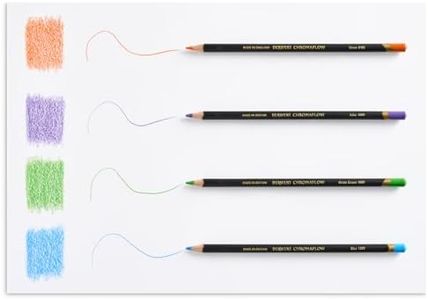
Derwent Chromaflow Pencils, Set of 150 in Tin, 3.5mm Round Core, Premium Core Strength, Blendable with Smooth Texture, Ideal for Drawing, Colouring & Layering, Professional Quality, 2306263
Pigment Quality: premium
Core Hardness: soft
Colour Range: 150 vibrant blendable colours
Blendability: blendable
Barrel Shape: round
Chosen by 1268 this week
Faber-Castell Art & Graphic Polychromos Colour Pencil, Multicoloured, Tin of 120, Art, Craft, Drawing, Sketching, Home, School, University, Colouring
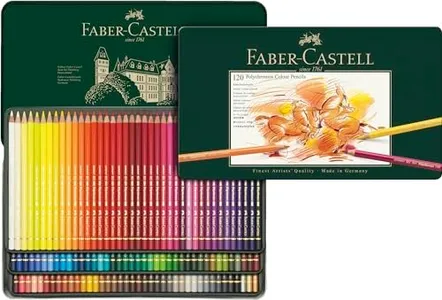


Faber-Castell Art & Graphic Polychromos Colour Pencil, Multicoloured, Tin of 120, Art, Craft, Drawing, Sketching, Home, School, University, Colouring
Pigment Quality: acid-free, very lightfast
Core Hardness: H
Lightfastness: very lightfast
Colour Range: 120 colors
Blendability: Blendable
Barrel Shape: Round
Brand Reputation: well-respected
Sanford Prismacolor Premier Colored Pencils 150 kg, 150 Count (Pack of 1)



Sanford Prismacolor Premier Colored Pencils 150 kg, 150 Count (Pack of 1)
Pigment Quality: vibrant
Core Hardness: thick
Lightfastness: appreciated
Colour Range: 150 shades
Blendability: smooth blending
Barrel Shape: standard
Brand Reputation: solid
Derwent Lightfast Pencils Set Of 100 In Tin, 4mm Round Premium Core Strength, Creamy Texture, Ideal For Fine Art Drawing & Colouring, Professional Quality, 2306017, Black
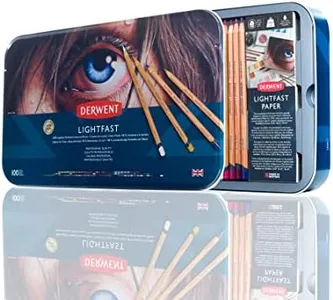


Derwent Lightfast Pencils Set Of 100 In Tin, 4mm Round Premium Core Strength, Creamy Texture, Ideal For Fine Art Drawing & Colouring, Professional Quality, 2306017, Black
Pigment Quality: High-quality pigments
Core Hardness: Soft and firm balance
Lightfastness: Lasts up to 100 years
Colour Range: Wide range of colors
Blendability: Smooth, creamy application
Barrel Shape: Round
Brand Reputation: High
Derwent Chromaflow Pencils, Set of 72 in Tin, 3.5mm Round, Premium Core Strength, Blendable with Smooth Texture, Ideal for Drawing, Colouring & Layering, Professional Quality, 2306014
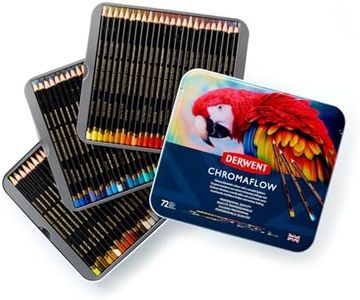
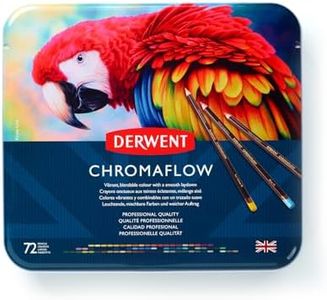
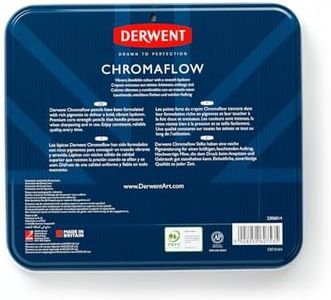
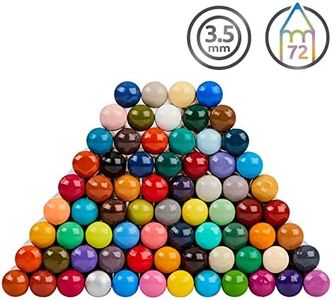
Derwent Chromaflow Pencils, Set of 72 in Tin, 3.5mm Round, Premium Core Strength, Blendable with Smooth Texture, Ideal for Drawing, Colouring & Layering, Professional Quality, 2306014
Pigment Quality: vibrant, richly pigmented
Core Hardness: soft, creamy, 3B
Colour Range: 72
Blendability: Blendable
Barrel Shape: rectangular, round
Brand Reputation: strong quality art supplies reputation
Related Products
Up to 54% off
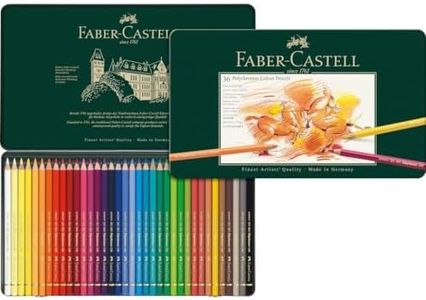
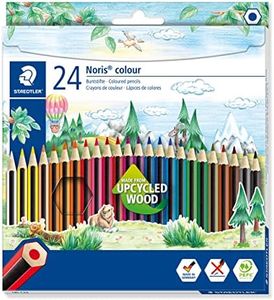
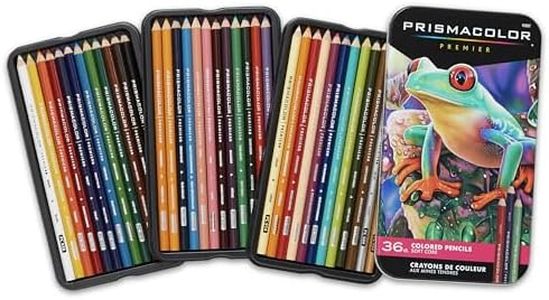

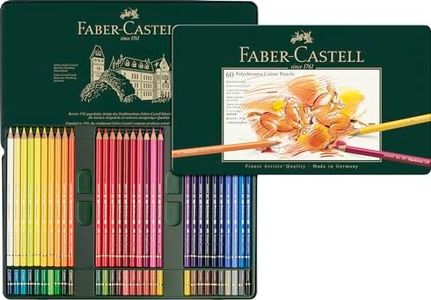
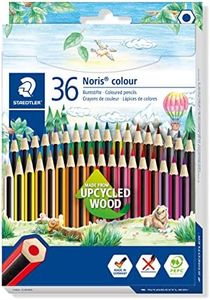
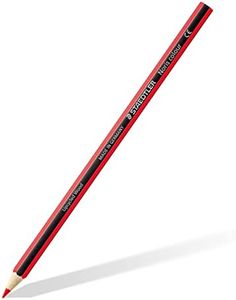
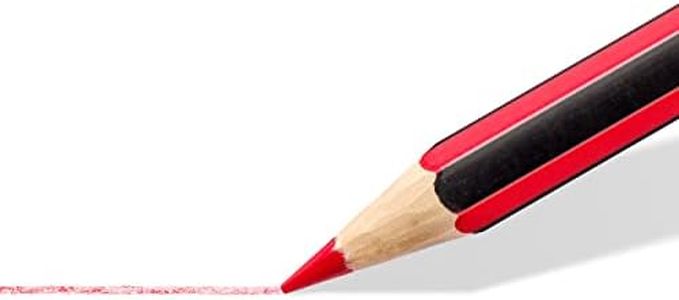
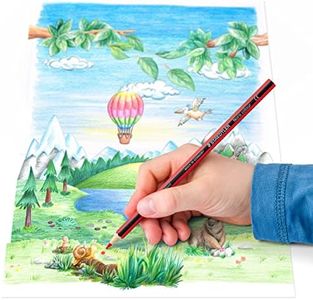
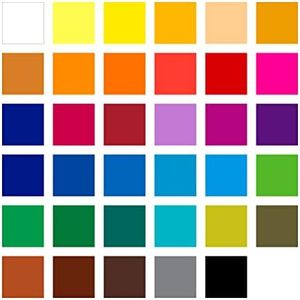
STAEDTLER 185 M36 Noris Colour Colouring Pencils - 36 Assorted Colours (Tin of 36 Pencils)
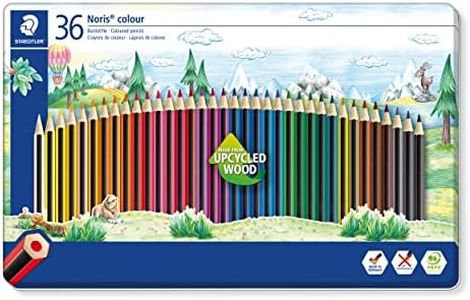
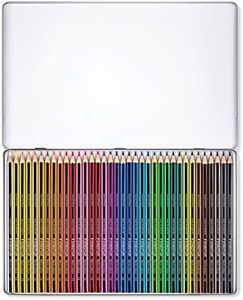
STAEDTLER 185 M36 Noris Colour Colouring Pencils - 36 Assorted Colours (Tin of 36 Pencils)
Pigment Quality: bright colours
Core Hardness: Medium
Lightfastness: moderate
Colour Range: 36 vibrant pre-sharpened colours
Blendability: decent
Barrel Shape: hexagonal
Brand Reputation: well-respected
Derwent Drawing Pencils, Set of 72 in Tin, 5mm Round Core, Premium Core Strength, Creamy Texture, Ideal For Fine Art Drawing & Colouring, Professional Quality, 2306558
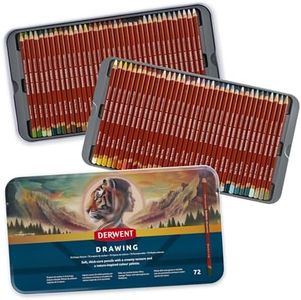
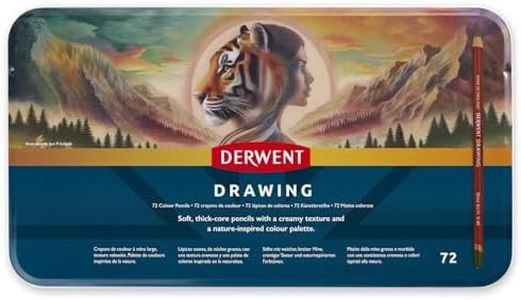
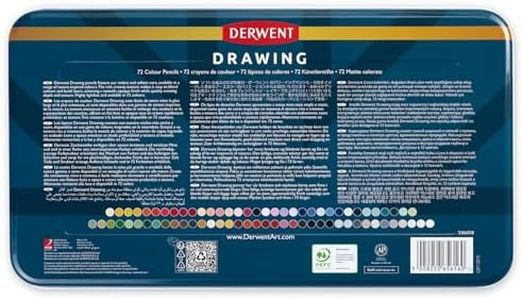
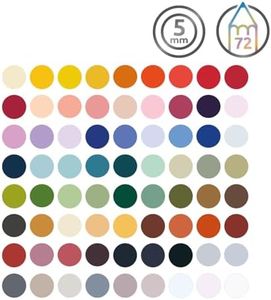
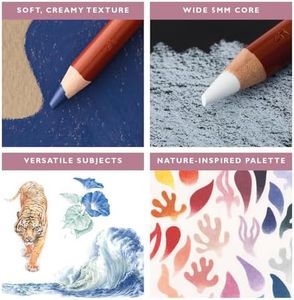
Derwent Drawing Pencils, Set of 72 in Tin, 5mm Round Core, Premium Core Strength, Creamy Texture, Ideal For Fine Art Drawing & Colouring, Professional Quality, 2306558
Pigment Quality: high-quality pigment
Core Hardness: premium
Lightfastness: resists fading
Colour Range: 72 colours
Blendability: blendable
Barrel Shape: round
Brand Reputation: very reputable
#10


Recommended lists


Buying Guide for the Best Colouring Pencils
Choosing the right colouring pencils can greatly enhance your artistic experience, whether you're a beginner, a hobbyist, or a professional artist. The right set of pencils can make a significant difference in the quality of your work, the ease of use, and your overall satisfaction. Here are some key specifications to consider when selecting colouring pencils, along with explanations to help you make an informed decision.Pigment QualityPigment quality refers to the richness and vibrancy of the colours produced by the pencils. High-quality pigments result in more vivid and long-lasting colours. For professional artists or serious hobbyists, pencils with high-quality pigments are essential for achieving the best results. Beginners or casual users might be satisfied with lower-quality pigments, which are usually more affordable.
Core HardnessThe core hardness of a colouring pencil affects how it feels to draw with and the type of marks it makes. Softer cores produce richer, more intense colours and are easier to blend, making them ideal for shading and layering. Harder cores are better for detailed work and fine lines, as they hold a sharp point longer. Choose softer cores if you prioritize blending and shading, and harder cores if you need precision and detail.
LightfastnessLightfastness is the resistance of the pencil's colour to fading when exposed to light over time. This is particularly important for artists who want their work to remain vibrant and unchanged for years. Pencils with high lightfastness ratings are more suitable for professional work that will be displayed or sold. For casual use or practice, lightfastness may be less critical.
Colour RangeThe colour range refers to the number of different colours available in a set of pencils. A larger colour range provides more options for creating detailed and nuanced artwork. Artists who work on complex pieces or enjoy experimenting with colour will benefit from a wider range. Beginners or those who prefer simpler projects might find a smaller set sufficient.
BlendabilityBlendability is the ease with which colours can be mixed and layered to create new shades and gradients. Pencils that blend well are essential for creating smooth transitions and realistic effects. If your work involves a lot of blending and layering, look for pencils specifically noted for their blendability. For more straightforward colouring tasks, blendability might be less of a priority.
Barrel ShapeThe shape of the pencil barrel can affect comfort and control. Common shapes include round, hexagonal, and triangular. Round barrels are easy to rotate for even wear, hexagonal barrels prevent rolling off surfaces, and triangular barrels can be more ergonomic. Choose a shape that feels comfortable in your hand and suits your drawing style.
Brand ReputationBrand reputation can be an indicator of quality and reliability. Established brands often have a history of producing high-quality products and may offer better customer support. Researching reviews and seeking recommendations can help you identify reputable brands. While brand reputation is not the only factor to consider, it can provide additional assurance of the product's quality.