10 Best Chess Computer
From leading brands and best sellers available on the web.By clicking on a link to a third party's website, log data is shared with that third party.
Top 10 Best Chess Computer 2026 in the UK
#1
Winner
MILLENNIUM Chess Classics Exclusive - Timelessly elegant wooden chess computer with piece recognition & LED move display directly on the board, 2 chess programs and fully automatic game levels
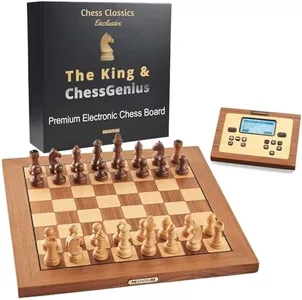

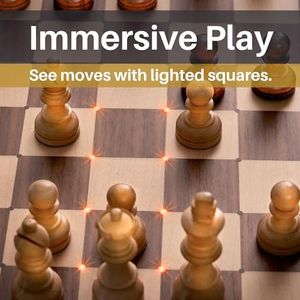
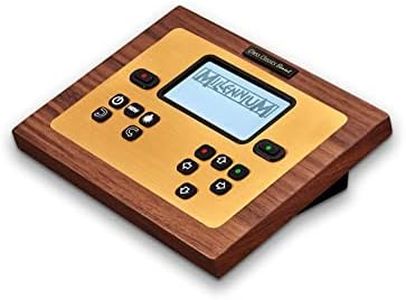

MILLENNIUM Chess Classics Exclusive - Timelessly elegant wooden chess computer with piece recognition & LED move display directly on the board, 2 chess programs and fully automatic game levels
Skill Level: Auto adjusts difficulty to your ability
Training Features: Two chess programs, Chess960, game analysis
Portability: Not battery-powered, relatively heavy
Display and Interface: Piece recognition with RFID, LED moves
Connectivity: Optional ChessLink for online play
Chosen by 1154 this week
The King Performance Chess Computer M830

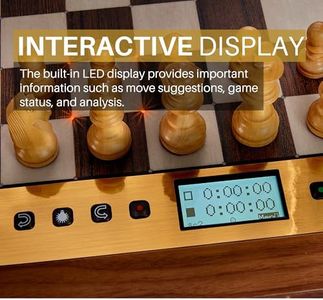
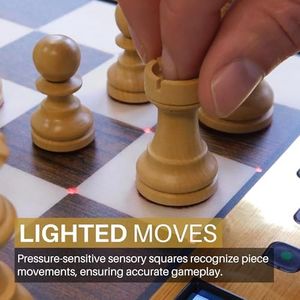


The King Performance Chess Computer M830
Skill Level: 700 to over 2500 ELO
Training Features: comfort and expert modes, nine openings
Portability: 39 x 43.5 x 2.6 cm; 3.6 kg
Display and Interface: LED move display with 81 LEDs
Connectivity: optional ChessLink module for online play
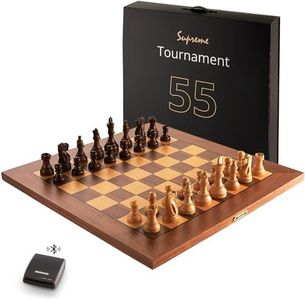
Millennium Supreme Tournament All-in-One Set wooden chessboard in tournament size (55 x 55 cm) incl. chess computer with 2 programs and ChessLink module for online chess





Millennium Supreme Tournament All-in-One Set wooden chessboard in tournament size (55 x 55 cm) incl. chess computer with 2 programs and ChessLink module for online chess
Skill Level: ELO 700 to 2534
Training Features: Two programs: ChessGenius, The King
Portability: Portable, not compact, wooden build
Display and Interface: 55x55 cm board, RFID, invisible LEDs
Connectivity: ChessLink for phone, supports chess.com
Chessnut Evo AI Chessboard - Built-in Maia Engine, Customizable Chess Bot, Full Piece Recognition, Supports Major Platforms, Smart All-in-One Design
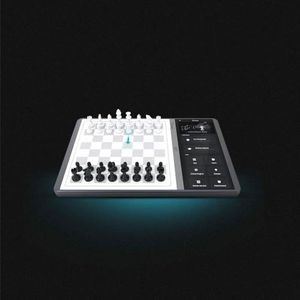

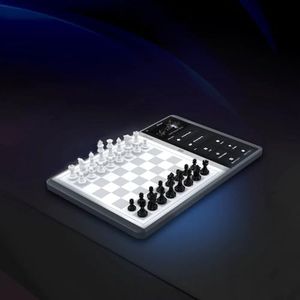


Chessnut Evo AI Chessboard - Built-in Maia Engine, Customizable Chess Bot, Full Piece Recognition, Supports Major Platforms, Smart All-in-One Design
Skill Level: various
Training Features: customized engines, historical data
Portability: 4.96 kg
Display and Interface: LED lights, piece recognition
Connectivity: third-party apps support
DGT Centaur Chess Computer
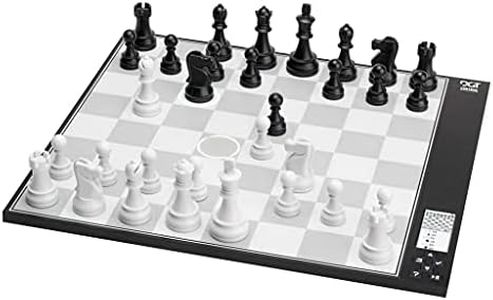


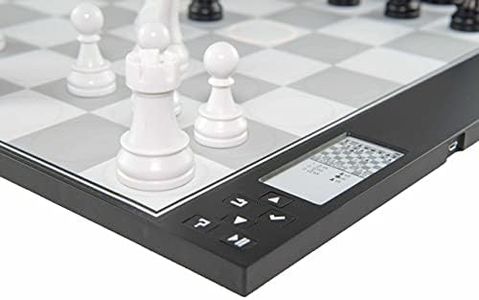

DGT Centaur Chess Computer
Skill Level: adaptive skill feature
Portability: rechargeable battery, 28.4 x 23 x 8.5 cm
Display and Interface: e-Paper display, circular LED lights
Related Products
Up to 27% off
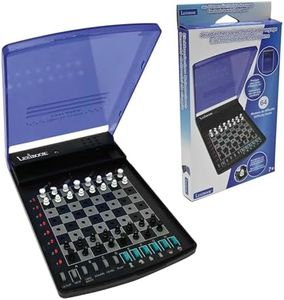
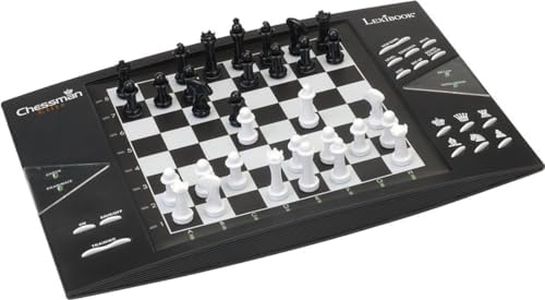
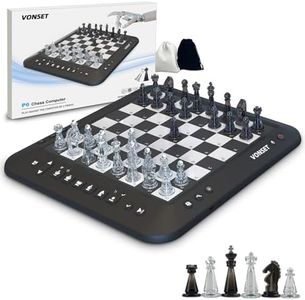
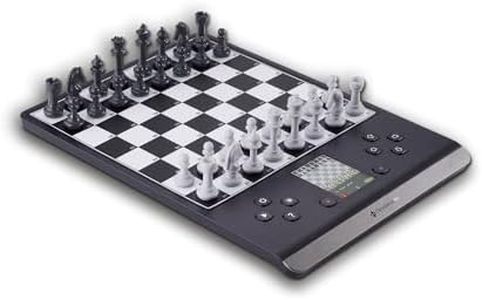





Lexibook, Chessman FX Electronic Chess Game with Touch Keyboard and Light and Sound Effects 32 Pieces 64 Levels of Difficulty, Family Board Game, Black/Silver, CG1335
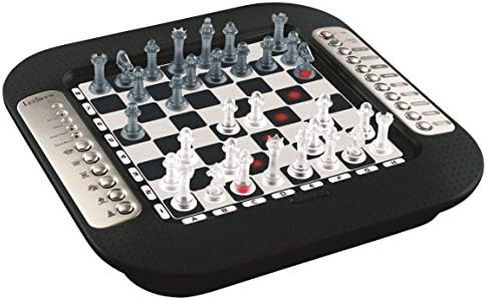
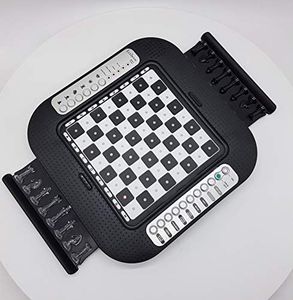
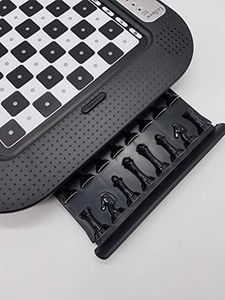
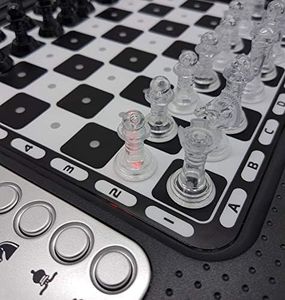
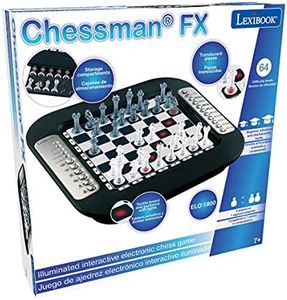
Lexibook, Chessman FX Electronic Chess Game with Touch Keyboard and Light and Sound Effects 32 Pieces 64 Levels of Difficulty, Family Board Game, Black/Silver, CG1335
Skill Level: 64 difficulty levels, for beginners to 1800
Training Features: Training mode with hints and feedback
Portability: 31x31 cm, 1.25 kg, 3 AA batteries
Display and Interface: Touch board with lights and glowing pieces
Connectivity: No Bluetooth or Wi-Fi
ChessUp 2 - Electronic Chess Board by Bryght Labs - Built-in WiFi, Chess Engine - Includes Chess Set TouchSense Pieces - Light Up Smart Chess Board - with AI, Lessons, Wireless Play & Companion App
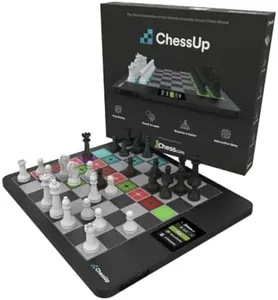


ChessUp 2 - Electronic Chess Board by Bryght Labs - Built-in WiFi, Chess Engine - Includes Chess Set TouchSense Pieces - Light Up Smart Chess Board - with AI, Lessons, Wireless Play & Companion App
Skill Level: all ages, beginners to advanced
Training Features: AI coaching, hints, app, lessons
Portability: manageable size and weight
Display and Interface: physical board, lights, touch pieces
Connectivity: WiFi for online play, no phone
Chessnut Air Electronic Chess Board - A magnificent handcrafted wooden set with extra queens, LED, game and adaptive electronic chess apps. For 2 players, ages 10 and up.
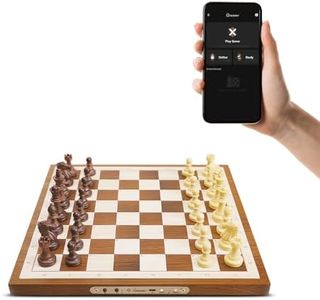


Chessnut Air Electronic Chess Board - A magnificent handcrafted wooden set with extra queens, LED, game and adaptive electronic chess apps. For 2 players, ages 10 and up.
Skill Level: 20 difficulty levels
Training Features: adaptive AI, full piece recognition, Chess960
Portability: solid wooden, lightweight, decent
Display and Interface: embedded LED lights, responsive interface
Connectivity: connects Chess.com, Lichess, USB-C charging
#10
Chessnut Electronic Chess Set, Wooden Chess Board with LEDs, AI Adaptive Electronic Chess Game and App with Computer Chess Board, for 1-2 Players from

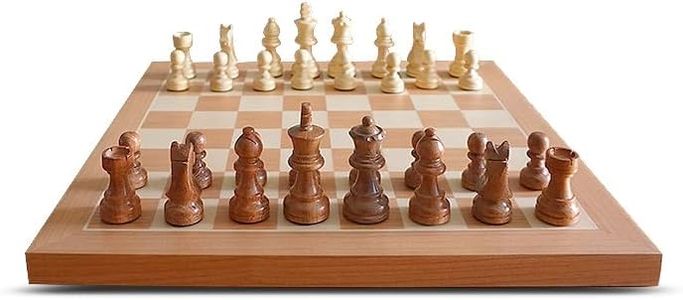
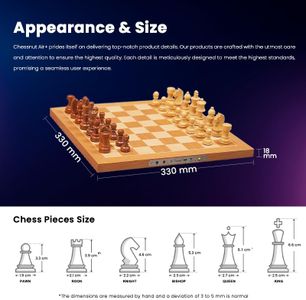
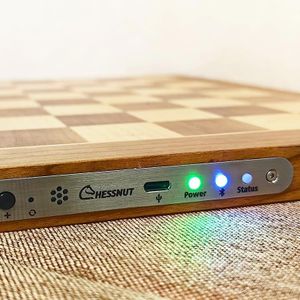

Chessnut Electronic Chess Set, Wooden Chess Board with LEDs, AI Adaptive Electronic Chess Game and App with Computer Chess Board, for 1-2 Players from
Skill Level: 20 difficulty levels controlled by AI
Training Features: Adaptive AI, Chess 960, popular software
Portability: Manageable size and weight, portable use
Display and Interface: Built-in LED lights and indicators
Buying Guide for the Best Chess Computer
Choosing the right chess computer can significantly enhance your playing experience, whether you're a beginner looking to learn or an advanced player seeking a challenging opponent. Chess computers come with a variety of features and specifications that cater to different skill levels and preferences. Understanding these key specifications will help you select a chess computer that best fits your needs and helps you improve your game.Skill LevelThe skill level of a chess computer determines how challenging it will be to play against. This is important because it should match your current ability to ensure you are neither overwhelmed nor under-challenged. Chess computers often have adjustable skill levels, ranging from beginner to grandmaster. If you're a beginner, look for a computer with a wide range of lower levels to help you learn gradually. Intermediate players should seek a model that offers a balance of challenge and learning opportunities, while advanced players might want a computer with high-level play to simulate competitive conditions.
Training FeaturesTraining features are tools and functions designed to help you improve your chess skills. These can include tutorials, hints, move analysis, and strategy tips. Such features are crucial for players who are looking to learn and develop their game. If you're new to chess, a computer with comprehensive training features can be very beneficial. More experienced players might prefer advanced analysis tools that help them understand complex positions and improve their strategic thinking.
PortabilityPortability refers to how easy it is to carry and use the chess computer on the go. This is important if you plan to travel with your chess computer or use it in different locations. Portable models are typically smaller and battery-operated, making them convenient for travel. If you intend to use your chess computer primarily at home, portability might be less of a concern, and you might opt for a larger model with more features.
Display and InterfaceThe display and interface of a chess computer affect how you interact with it and how easy it is to use. A clear, intuitive interface is important for a smooth playing experience. Displays can range from simple LED indicators to full graphical screens. Beginners might prefer a straightforward interface with easy-to-understand controls, while more advanced players might appreciate a detailed display that shows more information about the game.
ConnectivityConnectivity options, such as USB ports or Bluetooth, allow you to connect your chess computer to other devices or online platforms. This is important if you want to download new games, update software, or play against online opponents. If you enjoy playing against a variety of opponents or want to keep your device updated with the latest features, look for a chess computer with good connectivity options. If you prefer offline play, this might be less of a priority.