10 Best Cat Litters
From leading brands and best sellers available on the web.By clicking on a link to a third party's website, log data is shared with that third party.
Top 10 Best Cat Litters 2026 in the UK
#1
Winner
Amazon Brand - Lifelong Clumping Corn Cat Litter, Unscented, 25 L (Pack of 1)

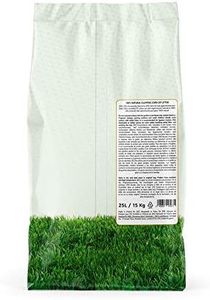
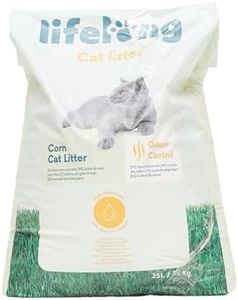
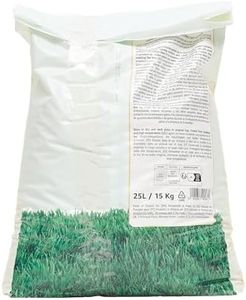
Amazon Brand - Lifelong Clumping Corn Cat Litter, Unscented, 25 L (Pack of 1)
Material: Corn
Clumping vs. Non-Clumping: Clumping
Scent: Unscented
Chosen by 1416 this week
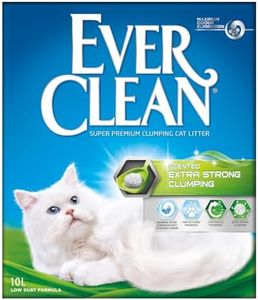
Ever Clean Clumping Cat Litter, Fast Acting Odour Control, Ideal for small spaces, Scented for long-lasting freshness, 10L
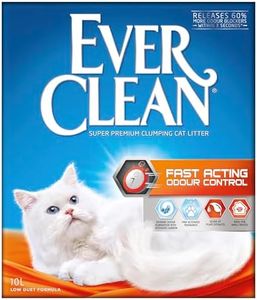
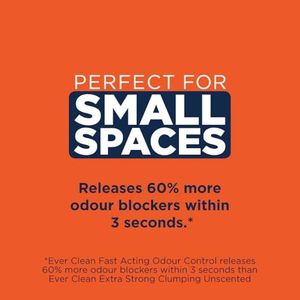
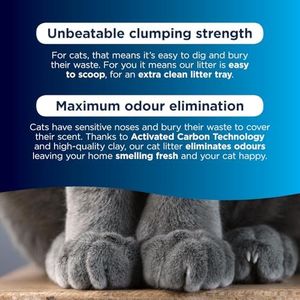
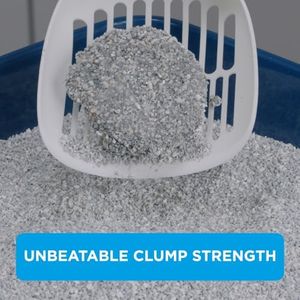
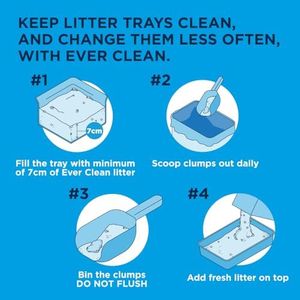
Ever Clean Clumping Cat Litter, Fast Acting Odour Control, Ideal for small spaces, Scented for long-lasting freshness, 10L
Material: Clay
Clumping vs. Non-Clumping: Clumping
Odor Control: effective control
Dust Levels: higher dust levels
Tracking: could be a concern
Scent: scented
Amazon Brand - Lifelong Bentonite Premium Cat Litter Baby Powder Scent, 10L (Pack of 1)
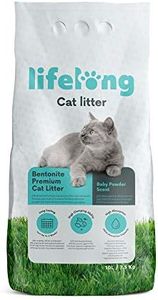
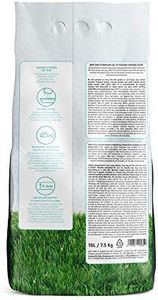
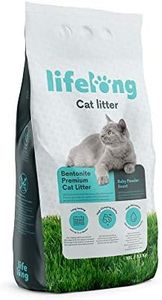
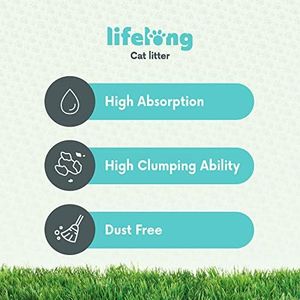
Amazon Brand - Lifelong Bentonite Premium Cat Litter Baby Powder Scent, 10L (Pack of 1)
Material: Clay
Clumping vs. Non-Clumping: Clumping
Odor Control: decent odor control
Dust Levels: low dust
Tracking: rarely sticks to cat paws
Scent: Baby Powder Scent
BreederCelect Recycled Paper Cat Litter, 30 L (Pack of 1)
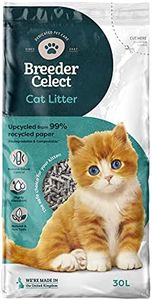
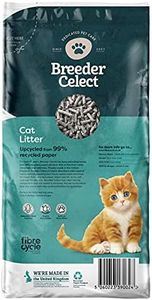
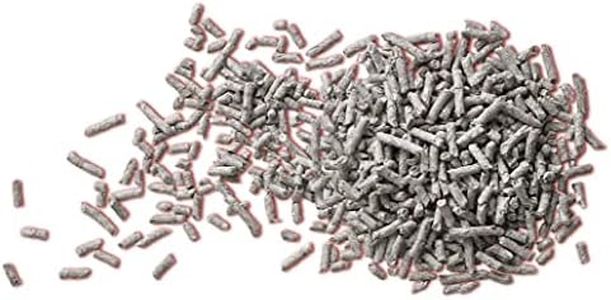
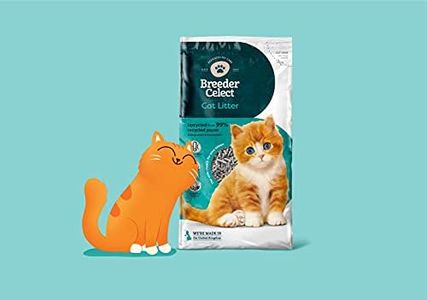
BreederCelect Recycled Paper Cat Litter, 30 L (Pack of 1)
Material: Paper
Clumping vs. Non-Clumping: Non-Clumping
Odor Control: High absorbency keeps litter dry
Dust Levels: Low
Tracking: Tracking might still occur
Scent: Unscented
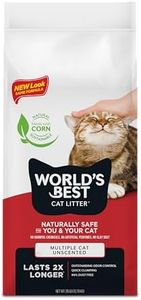
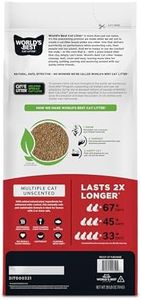
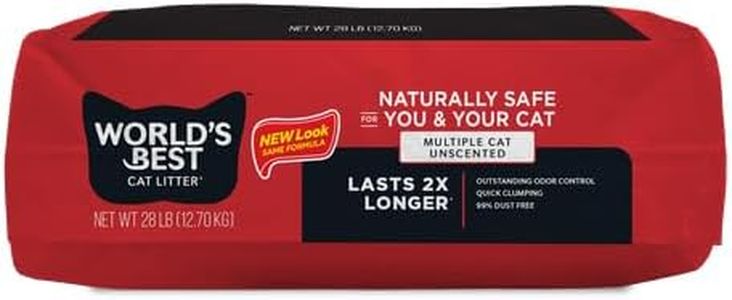
World's Best Cat Litter 28lb Original Unscented, 12.7 kg (Pack of 1)

World's Best Cat Litter 28lb Original Unscented, 12.7 kg (Pack of 1)
Material: Corn
Clumping vs. Non-Clumping: Clumping
Odor Control: Natural odor control
Dust Levels: Very low, almost dust-free
Tracking: Low
Scent: Unscented
Related Products
Up to 40% off
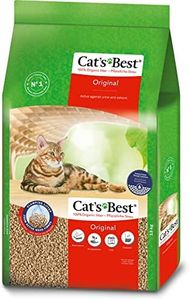
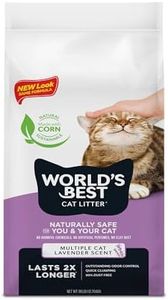
Catsan Natural Clumping Cat Litter, 100 Percent Biodegradable, Extra Absorbent, 20 Litre Bag
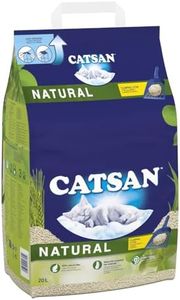
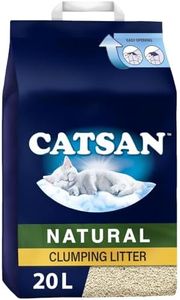
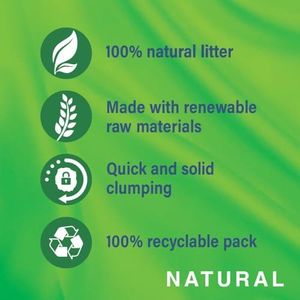
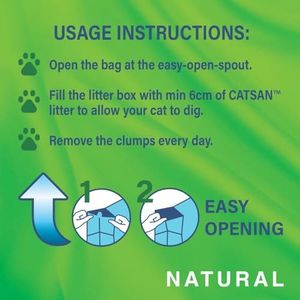
Catsan Natural Clumping Cat Litter, 100 Percent Biodegradable, Extra Absorbent, 20 Litre Bag
Material: Wood
Clumping vs. Non-Clumping: Clumping
Odor Control: Absorbs odors early
Dust Levels: Less dust than clay litters
Tracking: Tracks more outside box than clay
Scent: Natural
Ever Clean Clumping Cat Litter, Lavender Scented for Long-lasting freshness, Maximum Odour Elimination, 10L
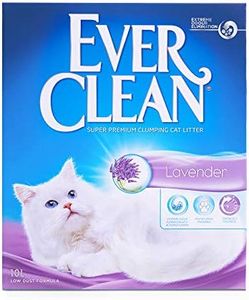
Ever Clean Clumping Cat Litter, Lavender Scented for Long-lasting freshness, Maximum Odour Elimination, 10L
Material: Clay
Clumping vs. Non-Clumping: Clumping
Odor Control: Activated carbon
Dust Levels: Some dust
Tracking: Less tracking
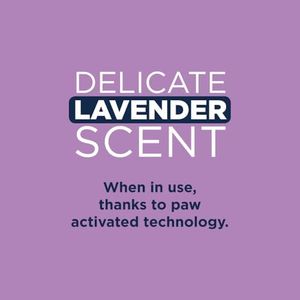
Scent: Lavender
#10

Recommended lists

Top rated
World Cat Litters
Buying Guide for the Best Cat Litters
Choosing the right cat litter is essential for both your cat's comfort and your convenience. The right litter can help control odors, reduce mess, and make cleaning easier. When selecting a cat litter, consider your cat's preferences, any allergies or sensitivities, and the litter's ability to control odor and clump. It's also important to think about how easy it is to clean and how much dust it produces, as these factors can affect both your home environment and your cat's health.MaterialCat litter comes in various materials such as clay, silica gel, recycled paper, and natural/biodegradable options like corn or wheat. The material affects absorbency, odor control, and dust levels. Clay is popular for its clumping ability and odor control but can be dusty. Silica gel is low-dust and absorbs moisture well but doesn't clump. Natural options are eco-friendly and often less dusty but may not control odor as effectively. Consider your cat's preferences and any allergies when choosing a material.
Clumping vs. Non-ClumpingClumping litter forms solid clumps when wet, making it easier to scoop and clean. Non-clumping litter absorbs moisture but doesn't form clumps, requiring more frequent full changes. Clumping litter is convenient for daily maintenance and odor control, while non-clumping might be better for cats with respiratory issues due to lower dust levels. Choose clumping if you prefer easy cleaning and odor management, or non-clumping if you prioritize less dust and are okay with more frequent changes.
Odor ControlOdor control is crucial for maintaining a pleasant home environment. Some litters have added fragrances or baking soda to help mask odors, while others rely on natural odor-absorbing properties. If you or your cat are sensitive to fragrances, opt for unscented or naturally odor-controlling litters. Consider how many cats you have and how often you can clean the litter box when evaluating the importance of odor control.
Dust LevelsDust levels in cat litter can affect both your cat's respiratory health and the cleanliness of your home. High-dust litters can cause respiratory issues for both cats and humans, especially those with allergies or asthma. Low-dust options are better for health and cleanliness. If dust is a concern, look for litters labeled as low-dust or dust-free, and consider natural or silica gel litters, which tend to produce less dust.
TrackingTracking refers to how much litter is carried out of the box on your cat's paws, leading to messes around the house. Some litters are designed to minimize tracking with larger granules or special coatings. If tracking is a concern, look for litters that advertise low tracking or use a litter mat to catch stray particles. Consider your cat's behavior and the location of the litter box when evaluating tracking.
ScentScented litters can help mask odors but may be overwhelming for some cats and humans. Unscented litters are better for sensitive noses and are often preferred by cats. If you choose a scented litter, ensure it's not too strong and that your cat is comfortable using it. Consider your and your cat's sensitivity to scents when deciding between scented and unscented options.